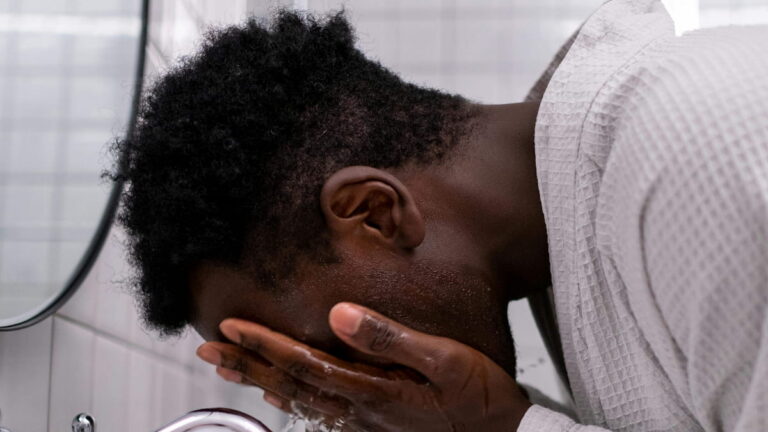
Some mornings, getting ready for work is the easy part. The real challenge is making it through a day at work when your skin is already hurting.
For people living with hidradenitis suppurativa (HS), a flare can turn ordinary workday activities into a painful eight-hour shift. Sitting through meetings, walking between departments, standing for long stretches of time or wearing a required uniform can aggravate tender areas. And when lesions begin draining unexpectedly, managing symptoms while maintaining privacy can feel overwhelming.
HS is a chronic inflammatory skin condition that causes painful lumps, abscesses and sometimes draining tunnels beneath the skin, often in areas where skin rubs together. According to the American Academy of Dermatology, HS is not caused by poor hygiene and is not contagious.
Although you can’t always predict when a flare will happen, there are ways to make your workday more manageable without putting your health on the back burner.
RELATED: A Guide to Getting Dressed When You Have HS
When you’re dealing with HS, having a few essentials on hand can make unexpected symptoms easier to manage.
You can keep a small, discreet flare-care kit in your work bag or locker with:
The American Academy of Dermatology recommends gentle skin care and avoiding irritation. If your lesions frequently drain, ask your dermatologist which dressings to use and how often to change them. A manageable routine that protects your skin can help reduce your stress throughout your day.
RELATED: How to Treat HS in Black People
For someone with HS affecting the groin, buttocks or inner thighs, sitting at a desk for hours can be especially uncomfortable. But jobs that require prolonged standing or walking can present challenges, too.
If your job allows it, try changing positions regularly rather than remaining seated or standing for extended periods. Short movement breaks may help reduce pressure on your skin, while sitting breaks can provide relief during long shifts. Depending on where your lesions are located, a supportive chair or pressure-relieving cushion may make sitting more tolerable. Avoid anything that presses directly against an active flare.
Not everyone can adjust their working conditions or clothing to accommodate a flare. In a previous BlackDoctor article about getting dressed with HS, a New York welder shared how wearing required jeans becomes especially uncomfortable during the summer months.
For workers in construction, healthcare, food service and other physically demanding jobs, reducing friction or taking frequent breaks may not always be possible. If you work on your feet, ask whether certain tasks can be done while seated.
Remember: If ordinary movement becomes increasingly difficult, your treatment plan may need reassessment.

One of the more stressful aspects of HS at work can be the unpredictability of drainage. A lesion may begin draining during a meeting, while you’re helping customers or halfway through a long shift.
Having a plan can make these moments a bit easier. If possible, keep backup supplies somewhere easily accessible instead of leaving everything in your car or at home.
Use the dressings recommended by your healthcare provider, and avoid squeezing or attempting to drain lesions yourself. The American Academy of Dermatology advises against popping or squeezing HS bumps because doing so can worsen irritation.
If drainage is frequent, heavy or difficult to manage, ask your dermatologist about more effective wound-care options. Increasing redness, spreading warmth, fever or a sudden change in pain may signal an infection or another complication that needs medical attention.
You deserve to feel prepared, not embarrassed, when managing a medical condition.
You don’t necessarily have to reveal every detail of your diagnosis to explain that you need changes to your working conditions.
Depending on your symptoms and job responsibilities, accommodations might include:
Under the Americans with Disabilities Act, qualifying employees with disabilities may be entitled to reasonable accommodations, provided those changes do not create an undue hardship for the employer.
HS does not automatically qualify every person for ADA protection. Eligibility depends on how the condition affects major life activities and the circumstances of the employment situation. Begin by speaking with human resources or the appropriate supervisor about the work-related limitation and the adjustment you need. Medical documentation may be requested in some situations.
For practical accommodation ideas, the Job Accommodation Network offers free guidance to employees and employers.
A simple request for more frequent breaks or flexibility during severe flares may help you stay productive while protecting your health.
RELATED: Stay Confident and Fresh: Top 5 Tips for HS Management
Going to work while experiencing chronic pain can be emotionally exhausting. You may worry about falling behind, explaining absences or whether coworkers notice your discomfort.
Stress doesn’t mean you caused your HS, but some people report worsening symptoms during stressful periods. Instead of pushing through every difficult day, prioritize essential tasks and recognize when you need extra support.
If pain, anxiety or embarrassment begins affecting your mental health, talk to your healthcare provider. The same goes for flares that repeatedly interfere with your ability to work.
According to the American Academy of Dermatology, HS treatment may include medications, wound care and procedures to help manage symptoms and improve daily functioning. If your current treatment isn’t providing enough relief, ask whether adjustments are needed.
If your HS flares become increasingly painful, drainage changes significantly or symptoms repeatedly interfere with your ability to work, contact your dermatologist. The American Academy of Dermatology notes that treatment can help manage painful lesions and improve daily functioning.
Seek prompt medical attention if you develop fever, chills, redness that spreads beyond an HS lesion, rapidly worsening swelling or pain that becomes significantly more severe. These symptoms may indicate an infection that needs treatment.
Sometimes taking care of yourself means knowing when it’s time to leave work and get help.
RELATED: HS? How to Look and Feel Your Best No Matter What
Living with HS requires planning that other people never have to think about, but you shouldn’t have to choose between managing your symptoms and feeling capable at work.
A few adjustments—a prepared care kit, a more flexible routine, better wound care or a conversation about accommodations—may make difficult days easier. If those changes aren’t enough, you may need more support.
Your job is one part of your life, so taking care of your health helps you show up for the rest of it, too.


By subscribing, you consent to receive emails from BlackDoctor.com. You may unsubscribe at any time. Privacy Policy & Terms of Service.