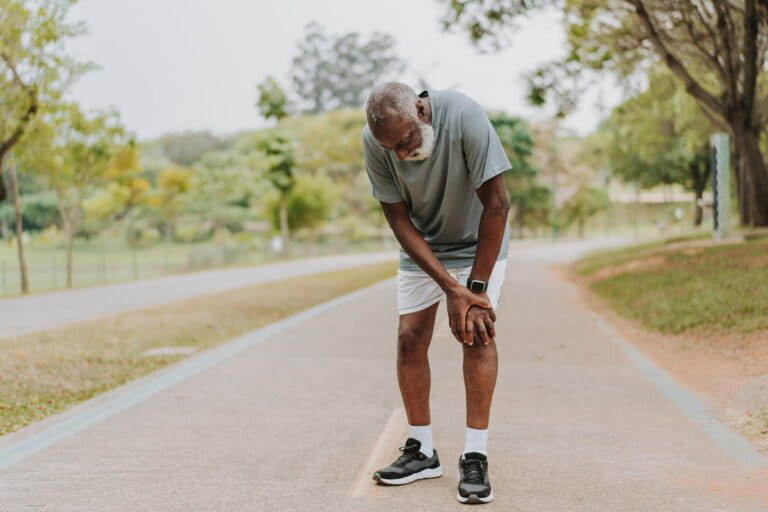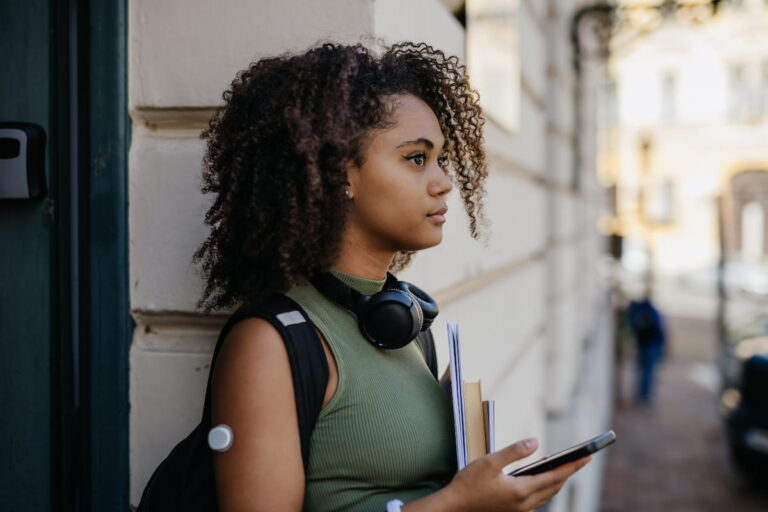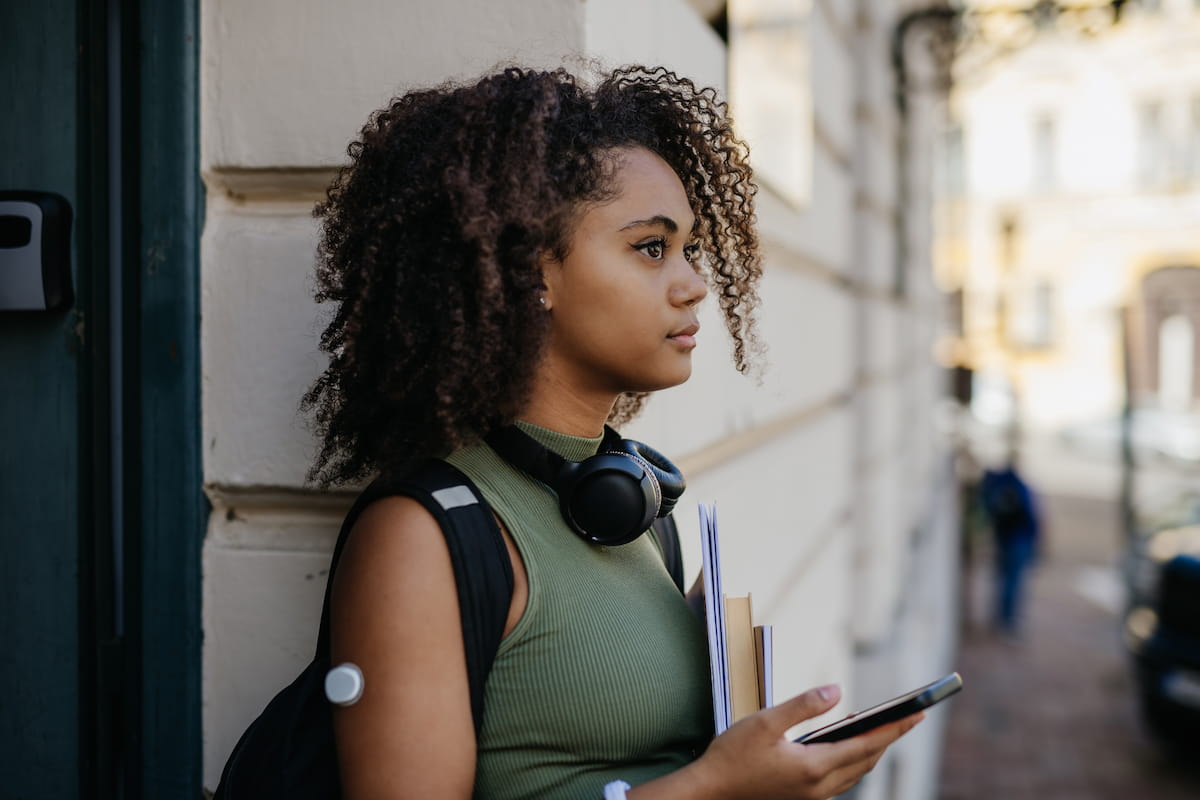
If you live with diabetes, you’ve probably had that moment. You’re away from home—maybe running errands, traveling, attending a family cookout, sitting in a long meeting, or stuck in traffic—when suddenly something feels off. You become shaky, sweaty, dizzy, or your energy crashes. Or perhaps your blood sugar begins climbing unexpectedly, and you realize the supplies you need are sitting on your kitchen counter at home.
For many people living with diabetes, blood sugar emergencies don’t happen in convenient places. They happen during everyday life. That’s why experienced diabetes advocates often recommend keeping a diabetes emergency bag packed and ready to go—not because you’re expecting something bad to happen, but because preparation can turn a stressful situation into a manageable one.
According to the Centers for Disease Control and Prevention (CDC), being prepared for diabetes-related emergencies can help people respond more quickly and safely when blood sugar levels become too high or too low. The best emergency bag isn’t necessarily the biggest one. It’s the one that contains the items you’ll actually need when life becomes unpredictable. Here are the essentials that many diabetes educators, healthcare providers, and experienced patients recommend keeping close by.
Many people assume emergency kits are only necessary for natural disasters or extended travel, but everyday situations can create challenges, too. A delayed flight, a missed meal, unexpected exercise, a traffic jam, a power outage, a forgotten prescription refill, or a long doctor’s appointment can all affect blood sugar management. According to the CDC, having emergency diabetes supplies on hand can help reduce anxiety and improve preparedness in unexpected situations. Think of your emergency bag as insurance. You hope you never need it, but when you do, you’ll be glad it’s there.
If there is one item that consistently appears on diabetes emergency checklists, it’s glucose tablets. Low blood sugar can develop quickly, and when it does, many people instinctively grab whatever food is nearby. The problem is that not all foods work at the same rate.
Glucose tablets are specifically designed to raise blood sugar quickly and predictably. The American Diabetes Association recommends keeping a fast-acting source of glucose readily available for treating hypoglycemia.
Unlike candy bars or random snacks, glucose tablets provide a measured amount of carbohydrate, making them easier to use when following the “15-15 Rule” for treating low blood sugar. Many experienced patients keep glucose tablets in purses, backpacks, cars, gym bags, work desks, and nightstands. The goal is simple: never be far from a fast source of glucose.
RELATED: 11 Smart Ways To Eat on the Go With Type 2 Diabetes
While glucose tablets are useful for emergencies, longer-lasting snacks can help maintain stable blood sugar once immediate treatment is complete. Many diabetes advocates recommend carrying snacks that combine carbohydrates with protein or healthy fats, such as peanut butter crackers, mixed nuts, protein bars, roasted chickpeas, whole-grain crackers, blueberries, trail mix, and cheese snacks. A small snack can make a big difference when meals are delayed.
Few things create panic faster than realizing you’ve forgotten an important medication. Many diabetes educators recommend keeping backup medication supplies whenever possible. Depending on your treatment plan, this may include insulin, oral medications, injectable medications, pen needles, syringes, alcohol swabs, and prescription copies.
If you use insulin, it’s important to follow storage recommendations carefully. Some people maintain a small backup supply in a travel kit specifically for unexpected situations. Talk with your healthcare provider about safe storage practices for your medications.
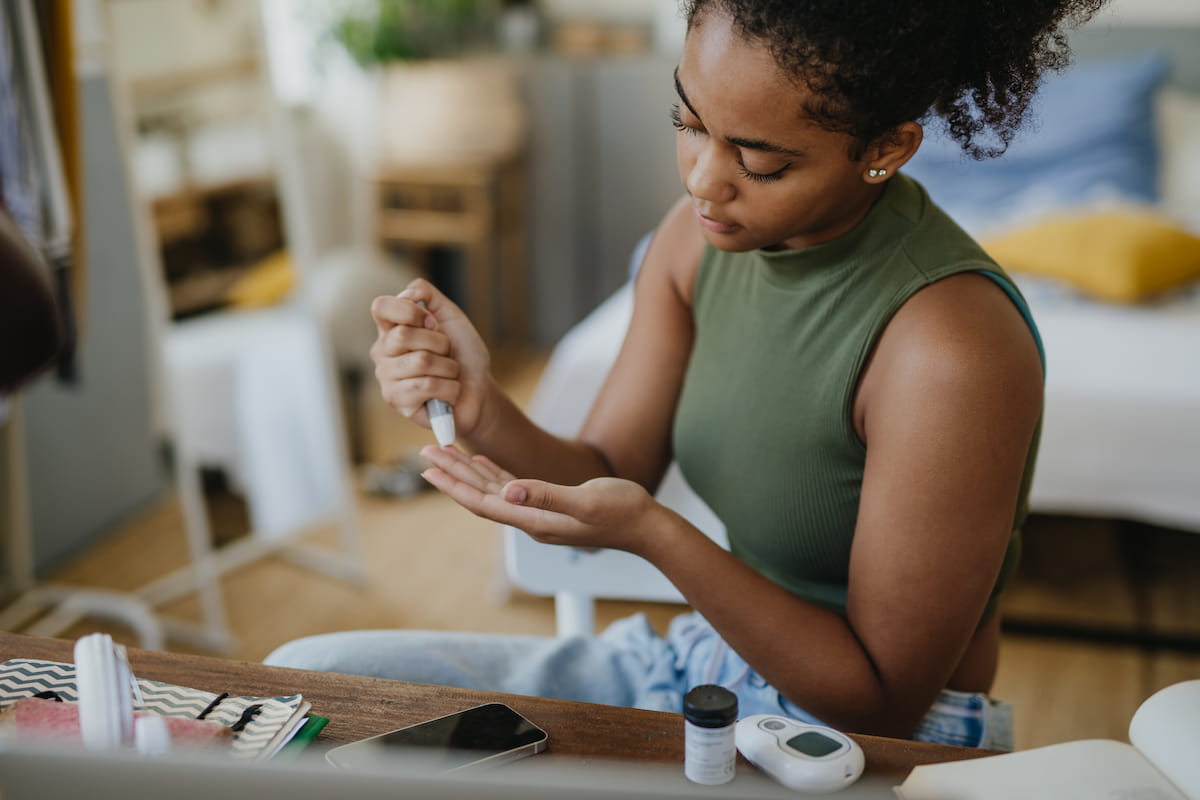
Technology has transformed diabetes management, but even the best technology can fail. That’s why many diabetes advocates recommend carrying backup monitoring supplies. Depending on your management plan, this may include a blood glucose meter, test strips, lancets, continuous glucose monitor (CGM) supplies, extra sensors, charging cables, and backup batteries.
Many experienced patients adopt the mindset that “two is one, one is none.” In other words, having a backup can prevent major disruptions when technology fails unexpectedly.
Summer can be particularly tricky for people living with diabetes. Heat affects more than comfort; it can also affect blood sugar management. High temperatures can increase the risk of dehydration, medication damage, equipment malfunction, and blood sugar fluctuations.
The CDC says extreme heat can affect insulin and diabetes supplies if they are exposed to temperatures outside recommended ranges. During the summer months, many people add items such as a reusable water bottle, an insulin cooling pouch, electrolyte packets, a portable fan, a cooling towel, and sun protection to their diabetes emergency bag.
Staying hydrated is especially important in hot weather because dehydration can affect blood sugar levels.
Ask frequent travelers with diabetes what they always bring, and you’ll hear many of the same recommendations. Preparation becomes even more important when you’re away from home. The Transportation Security Administration (TSA) allows travelers to carry diabetes supplies through airport security.
Common travel essentials include extra medication, extra testing supplies, medical identification, emergency contact information, backup snacks, portable chargers, prescription copies, and healthcare provider contact information. Many diabetes advocates recommend packing more supplies than you think you’ll need. Flights get delayed, trips get extended, bags get lost, and preparation helps reduce stress.
Many people spend time gathering supplies but forget one critical item: medical identification. Medical ID bracelets, wallet cards, and smartphone medical IDs can help first responders quickly understand your health condition during an emergency.
This can be especially important if severe hypoglycemia affects your ability to communicate.
This risk isn’t evenly distributed. Bias in policing encounters is well documented, and so is the pattern of Black patients’ symptoms being dismissed, minimized, or misread in medical settings. When a hypoglycemic episode looks like confusion, slurred speech, or unsteadiness, that combination can turn a medical emergency into something far more dangerous. Wearing visible medical ID and carrying documentation isn’t just a precaution; it’s a way to make sure you’re seen and treated as a patient in crisis, not judged as something else.
The American Diabetes Association recommends carrying identification that indicates you have diabetes. It may seem like a small detail, but it can make a significant difference in an emergency.
Not every diabetes emergency bag needs to look the same. A college student may need different supplies than a retiree, a parent may pack differently than a business traveler, and someone using insulin pumps may require different equipment than someone managing diabetes with oral medications.
The goal is personalization. Ask yourself what situations you encounter most often, which supplies you rely on daily, and which would cause the biggest problem if you didn’t have them.
When diabetes advocates share their personal experiences, a few themes come up again and again: glucose tablets, water, a snack, extra supplies, medical identification, a phone charger, and emergency contacts. The exact contents vary from person to person, but preparation is always the common denominator.
One often-overlooked benefit of carrying a diabetes emergency bag is peace of mind. Preparation doesn’t eliminate diabetes, but it can make daily life feel more manageable — and that confidence matters.



By subscribing, you consent to receive emails from BlackDoctor.com. You may unsubscribe at any time. Privacy Policy & Terms of Service.
Enter your name and email to receive the download link.