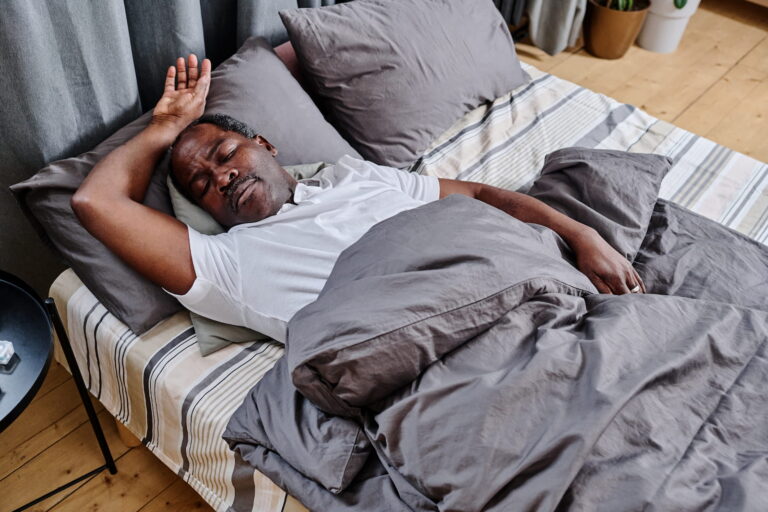
“Oh, my aching back!” Everyone has uttered these words at some point, in response to the sharp, sudden pain that comes with back spasms.
This article will explore the causes of back spasms, their symptoms and, most importantly, effective treatments. Whether you’re experiencing your first spasm or seeking ways to prevent future episodes, understanding the triggers and what to do is key.
What is a back spasm?
According to the Cleveland Clinic, back spasms can range from tiny twinges to crippling contractions that leave you unable to move. They occur when the muscles in your back contract involuntarily and intensely.
The sensation can vary widely from person to person. For some, it may come on as a mild, dull ache or an occasional twitch; for others, it can escalate into sharp, excruciating pain that becomes debilitating.
Many factors can contribute to these sudden and often painful muscle contractions. Understanding the underlying triggers is essential in both preventing and addressing back spasms.
Insufficient muscle usage — Prolonged periods of sitting, poor posture, lack of exercise and underutilizing back and abdominal muscles can result in weakness, making the muscles prone to spasms and discomfort.
Overexertion and excessive use of muscles — Athletes and individuals involved in heavy lifting activities may experience spasms due to muscle strain, which involves small tears in the muscle fibers, causing inflammation.
Dietary factors — Inadequate water, potassium and calcium intake can contribute to back spasms. These essential nutrients are vital for maintaining proper muscle function and preventing imbalances that can trigger spasms.
Mental and emotional well-being — Anxiety and stress can lead to muscle tightness, potentially resulting in spasms and discomfort.
Traumatic incidents such as falls or car accidents — The sudden impact or force applied to the back can strain the muscles, ligaments or even the spine itself, causing pain and spasms as a protective response.
Back spasm symptoms
Back spasm symptoms are like a distress signal from your body, alerting you to underlying issues. Recognizing these symptoms is crucial in addressing and managing back spasms effectively.
Back pain ranging from a muscle aching to a shooting, burning or stabbing sensation.
Pain can radiate down a leg.
Bending, twisting, lifting, standing or walking can make it worse.
Generally, back pain will subside after rest and home care. However, you should consult your doctor or health care provider if the pain:
Lasts longer than a few weeks.
Is severe and doesn’t improve with rest.
Spreads down one or both legs, especially if the pain goes below the knee.
Causes weakness, numbness, or tingling in one or both legs.
Is paired with unexplained weight loss.
Seek medical attention immediately if pain causes new bowel or bladder problems, is accompanied by a fever or follows a fall, blow to the back or other injury.
Back spasm treatment
Various treatments can help alleviate the discomfort and promote healing. The Mayo Clinic notes that treatment options for back spasms may include:
Applying ice or heat — The application of ice packs or heating pads can help reduce inflammation and soothe muscles. Cold therapy is generally recommended within the first 48 hours of a spasm, while heat therapy can be beneficial for relaxing tense muscles in the days that follow.
Over-the-counter pain medications — Nonsteroidal anti-inflammatory drugs (NSAIDs), such as ibuprofen or naproxen sodium, can temporarily relieve back spasms by reducing pain and inflammation.
Prescription medications — In some cases, muscle relaxants may be prescribed to help alleviate muscle tension and provide relief from severe spasms.
Physical therapy — A physical therapist can design a personalized exercise program to strengthen the back muscles, improve flexibility and correct posture. A therapist may also utilize massage, manual therapy and electrical stimulation techniques to help manage pain and reduce spasms.
Alternative therapies —Complementary treatments like acupuncture, chiropractic care and yoga have shown promise in relieving back spasms for some individuals. These approaches focus on improving overall well-being, promoting relaxation and reducing muscle tension. However, according to the U.S. National Center for Complementary and Integrative Health, there’s low- or moderate-quality evidence that these practices may be helpful for chronic low-back pain.
How to stop back spasms
When back spasms strike, finding quick and effective ways to stop them becomes a top priority. Fortunately, there are several strategies you can employ to get on track to a pain-free day.
Stretch it out — Gentle stretching exercises can help relax muscles and relieve tension, potentially easing back spasms, according to Alberta Health Services.
Apply heat or cold therapy — The Mayo Clinic notes that heat helps reduce pain by relaxing and loosening tense muscles, which can help speed healing. Further, alternating between heat and cold packs can help reduce inflammation and soothe the affected area, providing temporary relief.
Practice good posture — Maintaining proper posture while sitting, standing and lifting can alleviate strain on back muscles, reducing the likelihood of spasms.
Stay active — Regular exercise, particularly activities that strengthen the core and promote flexibility, can aid in preventing future back spasms by improving muscle strength and stability.
Back spasms can be managed and alleviated
Back spasms can be a disruptive and painful experience, but they can be effectively managed and alleviated with the right approaches. Understanding the causes, symptoms and treatment options for back spasms empowers individuals to take control of their well-being and find relief.
From applying heat or cold therapy to practicing good posture and engaging in targeted exercises, there are various strategies available. Remember, if back spasms persist or worsen, it is important to seek professional medical advice to receive personalized guidance and ensure the most appropriate course of action for your specific condition.
BlackDoctor is the world’s largest and most comprehensive online health resource specifically for the Black community. BlackDoctor understands that the uniqueness of Black culture - our heritage and our traditions - plays a role in our health. BlackDoctor gives you access to innovative new approaches to the health information you need in everyday language so you can break through the disparities, gain control and live your life to its fullest.
✦ AI Search Disclaimer This AI-powered search tool helps you find relevant health articles from the BlackDoctor.org archive. Please keep the following in mind:
✦ For Informational Purposes Only The information provided through this AI search is for general educational and informational purposes only. It is not intended as a substitute for professional medical advice, diagnosis, or treatment.
✦ Always Consult a Healthcare Provider Never disregard professional medical advice or delay seeking it because of something you have read through this search tool. If you have a medical emergency, call your doctor or 911 immediately.
✦ AI Limitations This search tool uses artificial intelligence to help match your queries with articles in our archive. While we strive for accuracy, AI-generated results may occasionally be incomplete, outdated, or not fully relevant to your specific situation.
✦ No Doctor-Patient Relationship Using this search tool does not create a doctor-patient relationship between you and BlackDoctor.org or any healthcare provider.
Explore over 35,000 articles and videos across black health, wellness, lifestyle and culture