
From an early age, many athletes are taught to prioritize peak performance over their health. This win-at-all-costs mentality can create significant stress. Although some athletes thrive under pressure and channel it into stronger performances, others may find that constant expectations, pressure, and demands negatively affect their mental health.
Nearly two in five college athletes say they have grappled with suicidal thoughts, according to a new survey of National Collegiate Athletic Association (NCAA) student-athletes.
What’s more, nearly nine in 10 (86 percent) said the NCAA should require mental health services and suicide prevention training for all athletes, researchers reported recently in the journal Behavioral Sciences.
“Student-athletes are telling us that they’re struggling, and they’re telling us that they want resources,” lead researcher Allison Bond said in a news release.
“If we continue to not provide that for them and not address their struggles, we’re dropping the ball as clinicians, researchers and as communities to meet their needs,” Bond said. She’s an assistant professor of urban-global public health at Rutgers University in New Brunswick, New Jersey.
For the new study, researchers surveyed 78 student- athletes across NCAA Division I, II and III universities regarding suicidal thoughts and suicide prevention.
Previous studies have found that suicide is the second-leading cause of death among NCAA athletes, researchers said in background notes.
The suicide deaths of Madison Holleran, a runner at the University of Pennsylvania, in 2014, and Katie Meyer, a soccer goalie at Stanford University, in 2022, both received widespread media coverage and highlighted the mental health struggles of college athletes, researchers noted.
RELATED: Why Athletes Like Caleb Williams Are Critical Voices in Suicide Prevention
Athletes face many problems unique to college sports, researchers said — juggling expectations from coaches and fans, navigating travel schedules, and worrying about losing their scholarship or financial deals if they’re injured or fail to perform on the field.
Legalized sports betting has added to that stress, with the NCAA reporting that one in three high-profile student-athletes have received threats or abusive messages from gamblers, researchers noted.
“A wide receiver misses a pass, someone loses money and suddenly that student is getting bashed on Instagram,” said Bond, a former student-athlete. “These are 19-, 20-year-old kids. How are we equipping them to respond to that hate? How are they mentally coping with that while they’re still trying to pass classes and do well in school?”
Results showed that 40 percent said they’d had suicidal thoughts, but only 36 percent had received any suicide prevention training in college.
Instead, 47 percent cited teammates and 41 percent parents or guardians as their most common sources of support when dealing with mental health issues, researchers said.
“We all feel more comfortable talking to people who walk a similar path in life, so we can understand that,” Bond said. “But that means we have to give teams the tools to respond to these crises, and they have to have the opportunity to follow up.”
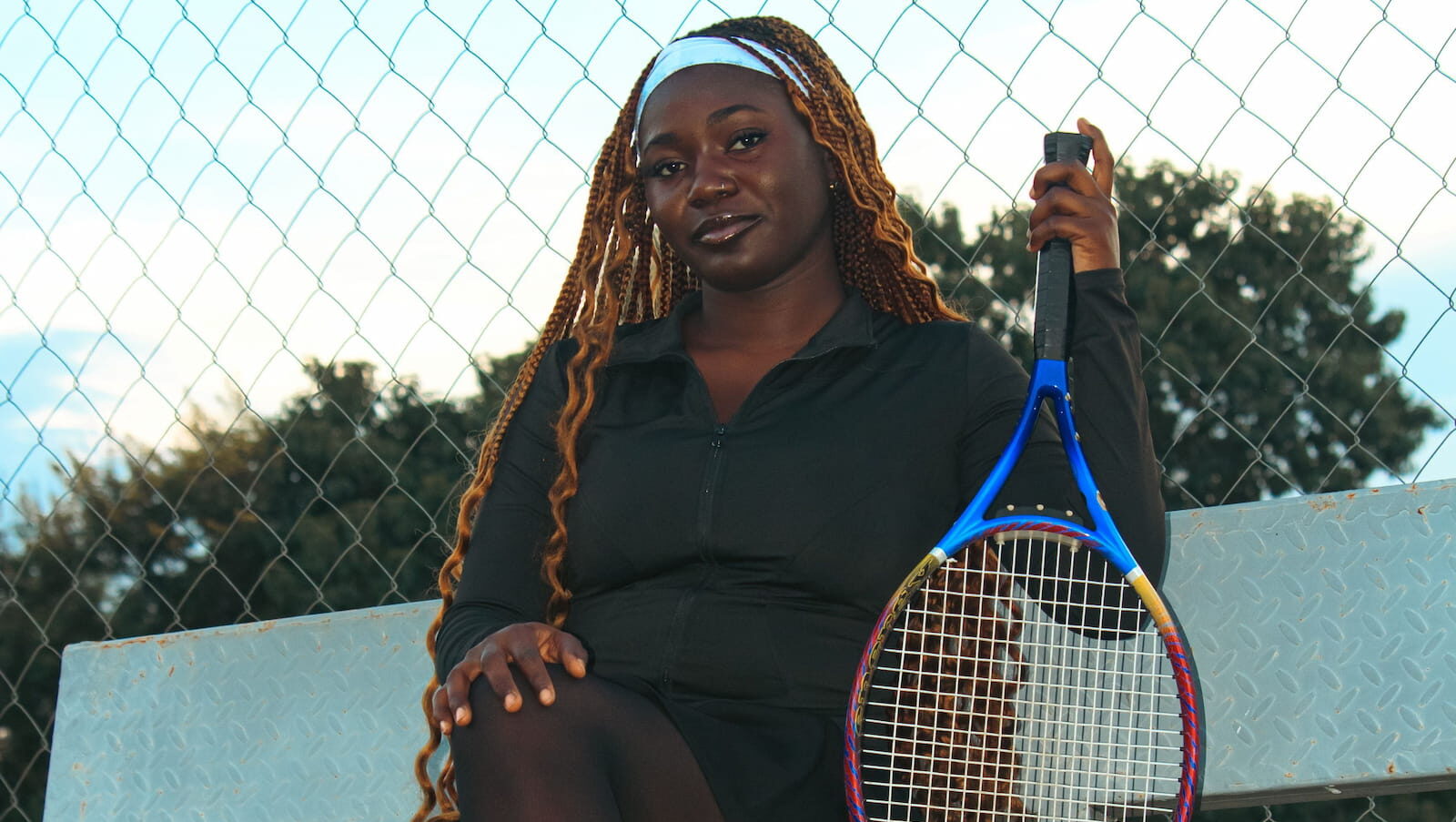
RELATED: Why Are Athletes Suffering in Silence? A Black Therapist Sheds Light
The athletes overwhelmingly supported suicide prevention training and mental health services for themselves and their peers, the survey found.
“Our results show that athletes want more widespread information on suicide and mental health, and most haven’t gotten that in college,” researcher Taylor Rodriguez, an assistant professor of psychology at the University of Mississippi, said in a news release.
“Since nearly 40 percent of the athletes have experienced suicidal thoughts themselves, I wonder if this desire stems from their own experiences having difficulties but not having adequate information to navigate them,” Rodriguez said.
This sort of mental health care needs to be woven into the college athlete experience, Bond said.
“A one-time training is going to have a really hard time moving the needle on stigma,” Bond said. “We need to change the cultural norms within athletic departments to make sure we’re promoting mental well-being while supporting this high-risk group.”
According to the Mayo Clinic, suicide warning signs or suicidal thoughts include:
However, this list isn’t exhaustive. Warning signs aren’t always obvious. In fact, many people may keep suicidal feelings and thoughts to themselves.
If you are concerned about a loved one, but they haven’t directly discussed suicidal thoughts, research shows that starting the conversation gives them permission to talk about their feelings and understand that they aren’t a burden. For many people experiencing suicidal thoughts, being able to talk about it is a huge relief.
If someone does let you know that they are having suicidal thoughts, it is important to understand that you don’t have to solve their problems. However, you should always take them seriously.
If you or someone you know is feeling suicidal, but you aren’t immediately thinking of hurting yourself, the Mayo Clinic advises:
If you feel hopeless or believe life is no longer worth living, remember that effective treatment and support are available, and recovery is possible. Focus on taking one step at a time, avoid acting on impulse, and reach out for help. Addressing underlying issues—such as depression, substance misuse, or another mental health condition—can reduce the risk of suicidal thoughts returning. Seeking care may feel difficult or uncomfortable, but the right support can help you feel safer, regain hope, and move toward a healthier future.

By subscribing, you consent to receive emails from BlackDoctor.com. You may unsubscribe at any time. Privacy Policy & Terms of Service.