When a loved one suffers a stroke, it can be a relief that they survived and are getting good care.
But recovery can take time for the patient.
Making sure they get the care they need can be a challenge for the spouse, grown child, or other loved one who is providing that care at home.
Fortunately, resources exist to help you through this difficult time while taking the best care of your loved one and yourself.
Mary Harris’ husband’s stroke “…changed the entire course and purpose of our lives,” she said in the American Stroke Association’s Life After Stroke guide. “But we go on. We have learned to adapt. While our lives are forever changed, we feel that the experience of stroke and recovery has enriched us as individuals and as a couple.”
The guide offers positive encouragement, asserting “there is life — and hope — after stroke. With time, new routines will become second nature.”
Still, stroke can dramatically affect mood, physical ability and memory.
And engaging caregivers in stroke recovery is important for improving the effectiveness and sustainability of services, according to a study published recently in the journal Frontiers in Public Health.
RELATED: Life after Stroke: Tips for Recovering Communication Skills
The American Stroke Association (ASA) offers a number of suggestions that can help with caregiving for someone after a stroke.
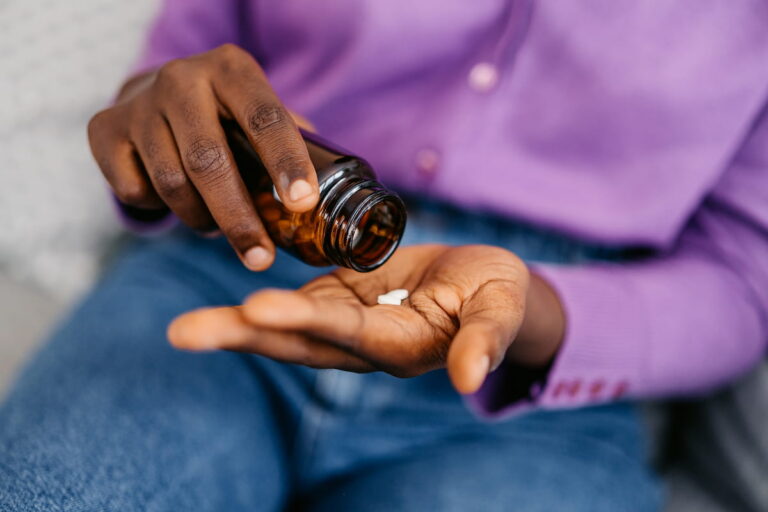
Become familiar with the survivor’s medications and any potential side effects.
Ask a lot of questions about what to expect in the months ahead. Your loved one’s doctor, nurse or physical therapist can bea great resource for this.
Help prevent another stroke by ensuring your loved one has a healthy diet, exercises, takes medicines as prescribed, and makes it to medical appointments, the ASA suggests.
You may need to make modifications at home to ensure safety. Remove items that are easy to trip on, such as throw rugs, the National Library of Medicine (NLM) suggests.
The bedroom and bathrooms should both be easy for the patient to reach, the NLM recommends.
Keep walkways clear, recommends Cedars-Sinai Health System.
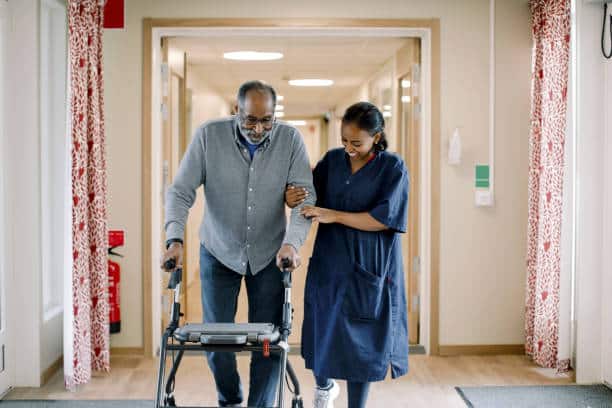
Be aware that issues with balance, difficulty walking and frequent falls may point to the need for physical therapy, the ASA suggests.
Post-stroke depression can also hinder recovery, the ASA cautions. About 30% to 50% of stroke survivors experience depression, according to the ASA.
RELATED: The Ultimate Health and Wellness Guide for the Family Caregiver
You may need some legal advice, the NLM suggests. It can be helpful to have documents that include advance directives and power of attorney to help you manage care decisions.
You’ll want to become familiar with insurance coverage, whether it’s private or government-funded.
Learn what insurance covers, in and out of the hospital, and what you’ll need to pay out of pocket. Your patient’s health care provider, case manager, social worker or insurance company may be able to assist you in this, according to the ASA.
The ASA also recommends having an emergency kit that includes a list of key contacts; a copy of your loved one’s insurance card and medical advance directive; and a list of medications including the dosage and frequency. Tell others where this kit is, in case you need someone to bring it to you.
A social worker can walk you through potential financial aid and prescription reimbursement resources.
As the saying goes, it’s important to put on your own oxygen mask first. Manage your own stress by caring for your own mental health.
Stay connected to friends and family.
Get respite care through community resources, suggests the Office of Disease Prevention and Health Promotion (OASH). Ask family members, friends and neighbors to help share caregiving tasks.
If you feel overwhelmed, visit your doctor to talk about depression, the OASH advises. And do something you enjoy each day.
Take up a mind-body practice like yoga, tai chi, meditation or deep relaxation, Harvard Health suggests.
Eat healthy food, exercise, and prioritize getting enough sleep, the experts recommend.
The American Stroke Association provides a wealth of resources for caregivers of stroke survivors.
Learn more about caregiver basics and support needs from the OASH.
The U.S. Centers for Disease Control and Prevention also offers some ideas about caregiver support.


By subscribing, you consent to receive emails from BlackDoctor.com. You may unsubscribe at any time. Privacy Policy & Terms of Service.