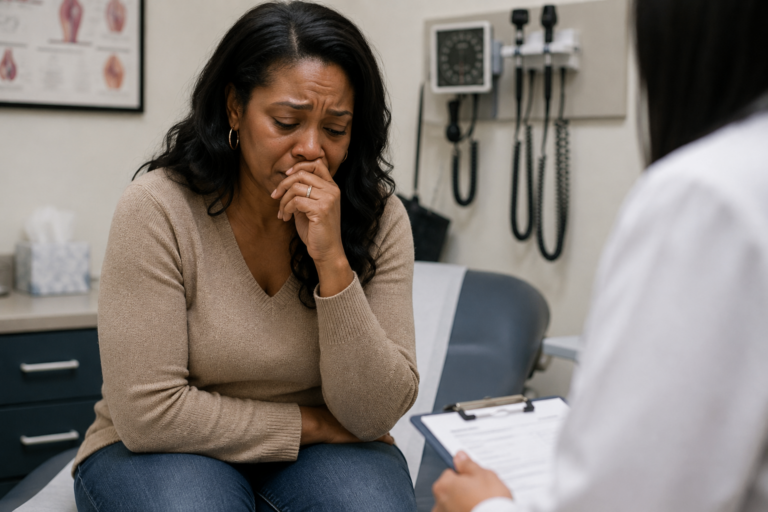
It’s estimated that over 100,000 Americans are currently living with sickle cell disease (SCD). Of this number, 90 percent are non-Hispanic Black or African American. While there are different complications associated with the condition, one you may be familiar with is the vaso-occlusive or pain crisis. This issue is characterized by severe pain caused by blocked blood flow. Although pain crises can be common, a recent study suggested that the menstrual cycle can contribute to having them more frequently. Now, some doctors are wondering why more people are talking about it.
Although research has been done to identify the potential triggers of a sickle cell pain crisis, the effect of menstruation wasn’t investigated until 2025. Even then, the study was just the beginning. Researchers tested participants’ blood for C-reactive protein, which is typically associated with inflammation. This protein is known to potentially increase during the follicular stage of the menstrual cycle and remain elevated until the end of menstruation. Given that pain crises can be caused by inflammation, researchers used this as a benchmark for how the menstrual cycle may increase the likelihood of someone with SCD having one.
What they found was more interesting than anticipated. When they tracked C-reactive protein (CRP) levels throughout participants’ menstrual cycles, they found that the CRP levels were significantly higher during the follicular phase than the luteal phase (8.80 mg/L [2.7-10.5] vs 0.82 mg/L. Even worse, the level of the protein in the blood of those with SCD was higher than that in those who didn’t have the condition.
While researchers emphasize that this study is just scratching the surface, the results strongly suggest that there’s a strong correlation between the menstrual cycle and the increased risk of a pain crisis. It makes sense then that any medical intervention that manages menstruation may also reduce the likelihood of a pain crisis when menstruating.
For some doctors, the best suggestion is birth control. That, in turn, led another group of researchers to ask why this wasn’t something more women with SCD had considered.
RELATED: Birth Control Pill Basics Every Woman Needs to Know
According to a 2026 survey, the simple answer is that nobody ever told them about it. When asked about their experiences with SCD and menstruation, over 60 percent of girls and women said that their pain was severe. A high percentage of those with serious pain also said they bled heavily during their cycle. Over 60 percent of these women also regularly had a pain crisis during menstruation that was bad enough to lead to hospitalization.
And yet, less than 20 percent of the women in this survey said they were on birth control. Interestingly, of this 20 percent, close to 40 percent of them were doing so because it helped with their pain when menstruating. Another 27 percent of the survey participants said they hadn’t considered taking birth control because they had no idea that it would help with their SCD pain crisis during menstruation.
When conducting the survey, researchers eventually discovered that many health professionals simply don’t discuss menstruation with their patients who are already dealing with SCD. The fact that sickle cell pain crises are considered to be a part of living with the condition may not help matters, either. However, it’s become apparent that more doctors need to talk to their patients about how their menstrual cycle may increase their risk of having a pain crisis every month and what to do about it.
Additionally, more research is needed to fully understand how your menstrual cycle interacts with your SCD.
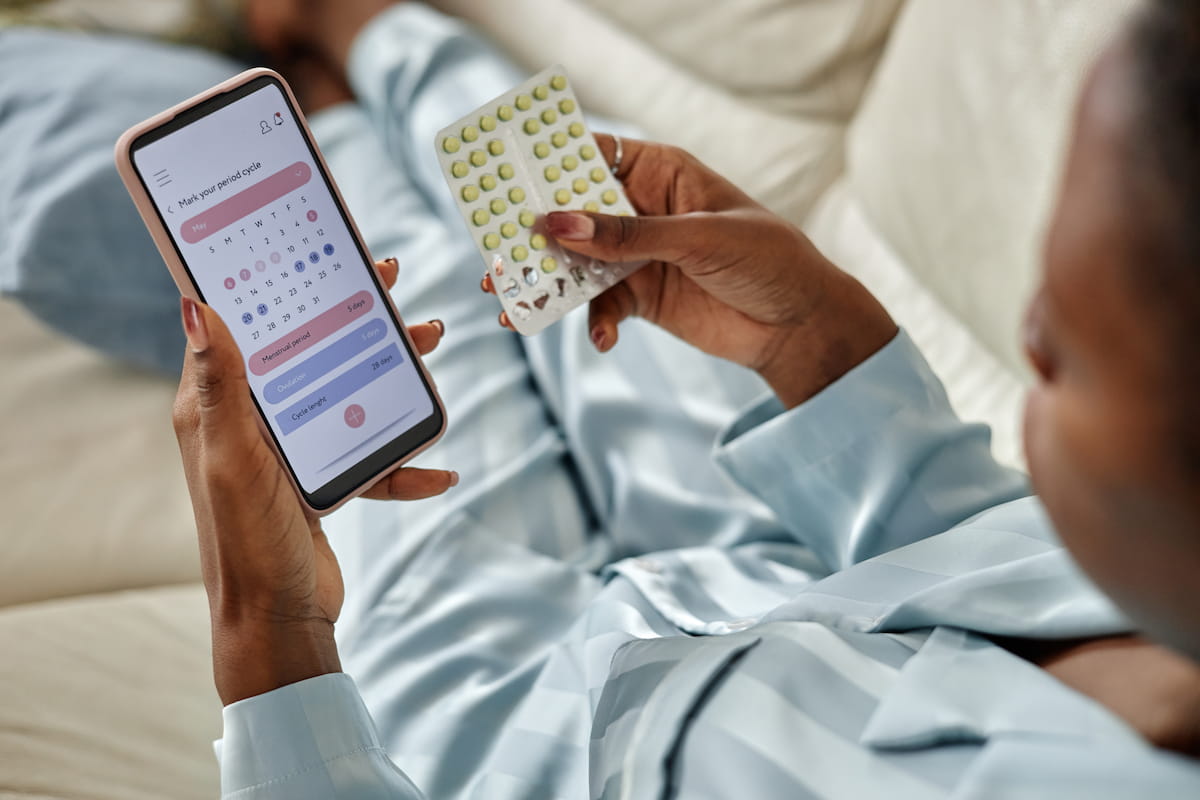
As you may expect, choosing birth control when you have SCD isn’t as simple as walking into a pharmacy. The first step is a consultation with your doctor. That’s because some studies suggest that taking traditional combined birth control pills isn’t right for people with SCD because they can increase the risk of developing blood clots. With that in mind, it’s generally advisable for you to take progestin-only birth control pills.
These pills are also known as mini pills and generally stop ovulation. They also cause cervical mucus to thicken, preventing sperm from passing. If any sperm still pass, the pills also thin the uterine lining so any fertilized eggs are unlikely to be implanted.
Progestin-only pills are typically effective for preventing pregnancy once they’re taken regularly. However, you should talk to your doctor about ways to ensure optimal efficiency, such as taking them at the same time every day. You should also discuss the potential side effects of these mini pills. Some of the issues you may experience include breast tenderness, acne, ovarian cysts, depression, headaches, decreased sex drive, nausea, and irregular menstrual bleeding or spotting.
Other aspects of your medical history will also play a role in your doctor’s decision to prescribe the right birth control. While progestin-only birth control pills may help with SCD pain crises, they’re not usually recommended for people who have a history of breast cancer, liver disease, or unexplained menstrual bleeding. Taking medication for tuberculosis or HIV may also be an issue.
If progestin-only birth control pills aren’t a good fit for you, this is something you should discuss with your doctor. To ensure that you’re starting the conversation on the right foot, it’s a good idea to document your experience with your menstrual cycle and SCD crises. Having a crisis whenever you menstruate shouldn’t be treated like a coincidence, or worse yet, ignored entirely.
RELATED: Top 3 Essential Oils Recommended for Menstrual Pain Relief
If you’re having a pain crisis during menstruation, take an over-the-counter painkiller or any that your doctor has prescribed. It can also help to lie down to get some rest. Applying a little warmth to the area may help, too. If you can take a hot bath, then you should try it. Additionally, placing a heating pad can dilate blood vessels, improving circulation. Since cold temperatures can worsen pain crises, it’s best to stay as warm as possible.
However, you should never delay if the pain gets worse. That’s a clear sign that you need to go to the emergency room immediately. The sooner they start treating you, the sooner you’ll feel better. If you haven’t talked to your doctor already about birth control, make sure to note this trip to the hospital and what happened.
Apart from seeking care when you’re menstruating, it’s essential to know when you need emergency care. While experiences can vary, the typical signs of a pain crisis can include:
Living with SCD isn’t easy, so the last thing you need is to miss out on any medications that can help. If you’ve noticed that your menstrual cycle often leads to a pain crisis, it’s time to talk to your doctor about your birth control options.


By subscribing, you consent to receive emails from BlackDoctor.com. You may unsubscribe at any time. Privacy Policy & Terms of Service.