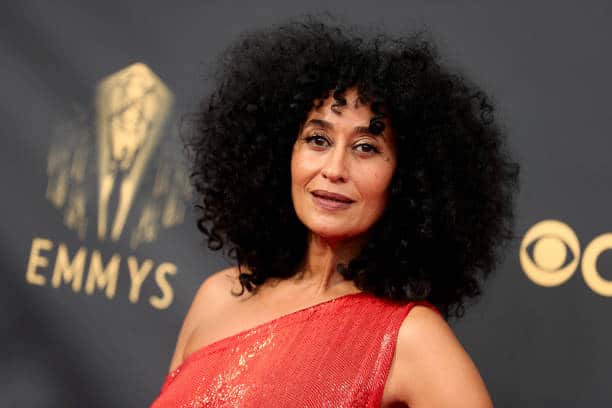
For years, audiences watched Tracee Ellis Ross portray Joan Clayton on “Girlfriends”, the accomplished attorney whose search for lasting love became one of the show’s defining storylines. But after spending eight seasons telling Joan’s story, Ross realized she’d quietly absorbed some of her character’s beliefs—particularly the idea that happiness depended on being chosen.
“I spent 173 episodes for eight years talking about not being chosen,” Ross said during a candid conversation on Keke Palmer’s ‘Baby, This Is Keke Palmer‘ podcast. “When I came out of that show, I didn’t realize how much my cells had taken that on.”
Ross wasn’t simply reflecting on her relationship status. She was unpacking how the stories we tell, the roles we play, and the expectations society places on women can quietly shape our own identities.
RELATED: Let’s Do It Again: How to Date After Divorce
Ross explained that after “Girlfriends” ended, she began questioning beliefs she had long assumed were simply part of who she was.
“I thought it was my own personal failing,” she said.
For many women, that feeling may sound painfully familiar.
From childhood, girls are often surrounded by stories that end with someone being chosen. Fairy tales, romantic comedies, television shows—even well-meaning family members—can reinforce the idea that partnership is both the destination and the reward. By adulthood, it’s easy to mistake relationship status for a measure of personal success.
Ross isn’t saying relationships don’t matter. Instead, she’s questioning the belief that being loved by someone else determines whether you’ve built a meaningful life.
Her realization wasn’t about dating differently. It was about seeing a story she’d unknowingly inherited—and deciding she no longer wanted to live inside it.
Like many women, Ross had internalized the idea that partnership was something to be earned—and that if it hadn’t happened yet, perhaps she had somehow fallen short.
But over time, she realized she was asking herself the wrong question.
Instead of wondering why she hadn’t been chosen, she began asking whether the people she met were actually right for her.
Ross’s reflections also echo what licensed therapist Chandra Davis, LPC, described in a 2025 Psychology Today essay titled “I’ve Never Been Chosen.” Davis writes that many women quietly internalize the belief that not being selected for a relationship means something is fundamentally wrong with them, even when their lives are otherwise full and successful. She argues that healing begins by separating self-worth from romantic validation.
Ross says that’s exactly the mindset she had to unlearn.
“I am the chooser,” Ross said. “I am worthy of choosing the right partner.”
That shift may sound subtle, but psychologists say it reflects a profound change in mindset. Rather than viewing herself as someone waiting to be selected, Ross reclaimed her own agency. Instead of looking to a relationship to validate her worth, she began recognizing that she had equal power to decide who—and what—belonged in her life.
RELATED: Do You Need a “Relationship Contract”?
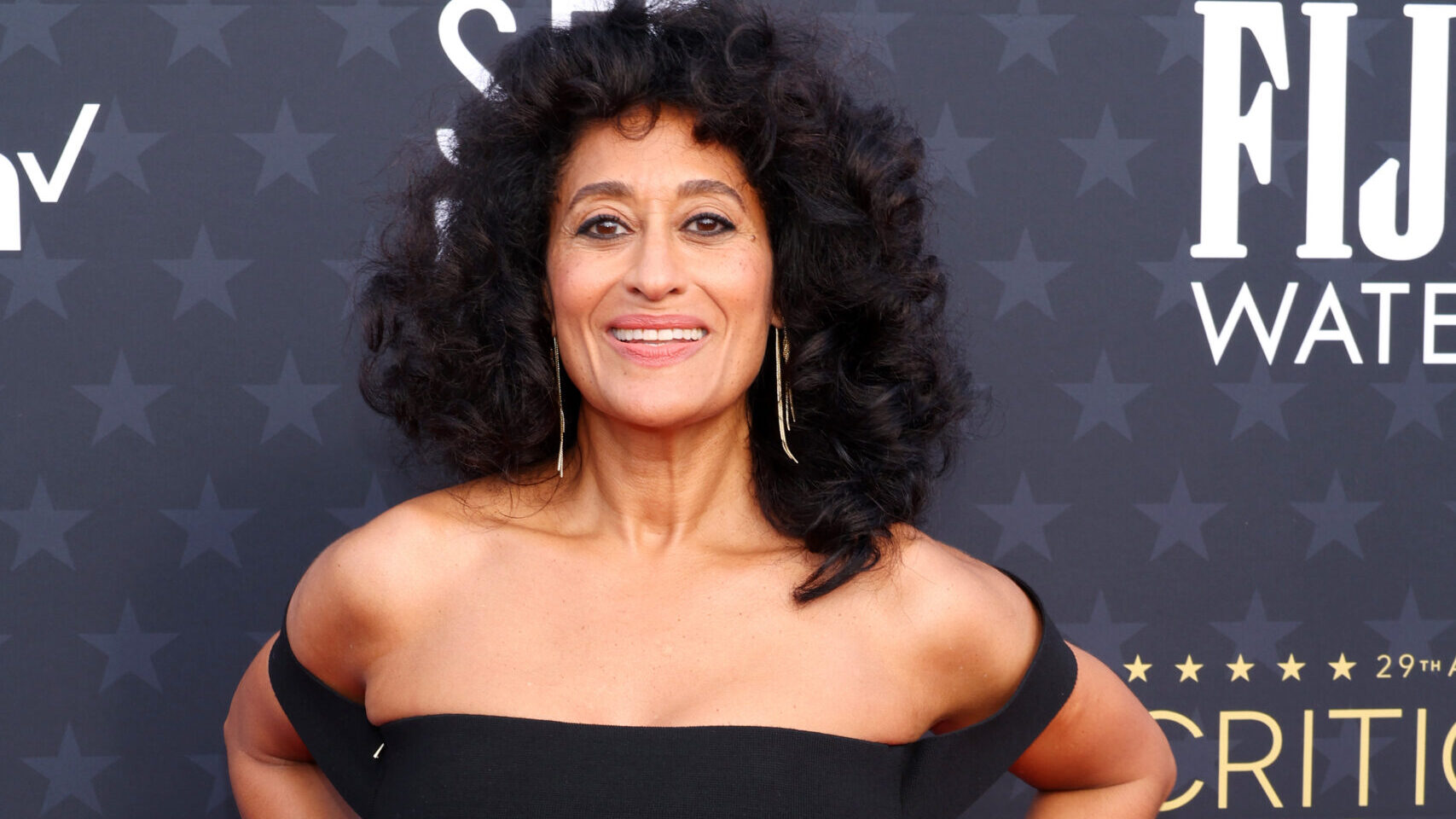
Ross says one of the biggest changes she’s made is refusing to organize her life around the hope that someday, someone else will complete it.
“I don’t have to sit around being a prize,” she said.
Ross explained that this shift didn’t mean giving up on love. She still hopes for partnership. The difference is that she no longer sees it as the event that will finally allow her life to begin.
Instead, she’s investing in friendships, creative work, travel, family, and experiences that bring her joy now. Rather than treating those things as placeholders until a relationship arrives, they’ve become the foundation of a life she already considers full.
That doesn’t mean she’s given up on love. Quite the opposite. Ross made it clear she still hopes for partnership. But she no longer believes her happiness depends on finding it.
It’s a perspective that challenges one of the most persistent cultural messages women receive—that life doesn’t fully begin until marriage or a long-term relationship.
Instead, Ross suggests something different: Build a life that already feels full, then allow the right relationship to complement it—not define it.
“I am responsible for my own happiness,” she said.
RELATED: How to Cure 7 Relationship Problems
Later in the conversation, Palmer pointed out that Ross has become an example of a woman who refuses to shrink herself to fit other people’s expectations.
Ross agreed that living authentically can make some people uncomfortable, but she refuses to let outside opinions dictate how she lives.
“I leaned in because it’s my truth,” she said.
She acknowledged that she doesn’t always understand why some people are bothered by women who confidently embrace their own paths.
“I don’t know why that’s so confronting for people,” she said.
Rather than trying to figure out what others think, Ross says she focuses on something much simpler.
“What I do push up against is anything that makes me feel small,” she explained. “I don’t want it.”
In many ways, that may be the clearest expression of the lesson Ross says took years to learn. The goal isn’t becoming someone else’s ideal. It’s refusing to become smaller than yourself.
“I want to be able to choose when I want to be small or when I want to be big or when I want to be loud or when I want to be quiet,” she said. “I want that to be my choice.”
For Ross, that’s what confidence looks like—not perfection, but the freedom to define yourself on your own terms.
That shift—from waiting to be chosen to intentionally choosing the life and relationships that align with your values—is reflected in the work of psychologist Dr. Thema Bryant. In describing the themes of her upcoming book “Matters of the Heart”, Bryant writes that improving the relationship you have with yourself is often the first step toward building healthier relationships with others.
RELATED: Don’t Get Married If You’re Guilty of These 5 Things
Toward the end of their conversation, Palmer reflected on the message she hoped listeners would take away from Ross’s journey.
“Your life is not on hold,” Palmer said.
Writing in Mindful, Bryant explains that “just because you are alone doesn’t necessarily mean that you are lonely.” She notes that someone can be single, enjoy solitude, and maintain meaningful relationships with family, friends, neighbors, or community.
Ross’s story is a reminder that fulfillment doesn’t have to wait for a wedding, a relationship, or anyone else’s approval.
Perhaps that’s why Ross’s admission about “Girlfriends” resonates so deeply. Millions of people watched Joan Clayton spend years waiting to be chosen. What makes Ross’s story so compelling is that she eventually realized she didn’t have to keep telling herself the same story.
Her breakthrough wasn’t finding the right partner—it was recognizing that she had the power to choose herself first.
As Palmer reminded listeners in closing, “Your life is not on hold.”

By subscribing, you consent to receive emails from BlackDoctor.com. You may unsubscribe at any time. Privacy Policy & Terms of Service.