
The harm doesn’t have to happen in person to be real. In today’s always-online world, violence has found new ways to show up — through our phones, our feeds, and our DMs.
For years, we’ve understood violence as something that happens in person: physical fights, verbal abuse, or emotional manipulation. But as our lives have moved online, so has harm. Digital or virtual violence refers to any behavior that uses technology — like social media, texting, or location tracking — to threaten, control, humiliate, or hurt someone.
And while it may not leave physical bruises, digital violence can leave deep emotional scars. It can ruin reputations, isolate victims, create constant fear, and even escalate into offline violence. For Black communities, where conversations about “online drama” are often brushed off or minimized, recognizing digital violence is critical to protecting ourselves and the people we love.
RELATED: Cyber Bullying: 10 Ways To Protect Your Child
Cyberbullying is one of the most common forms of digital violence — and it’s not limited to middle schoolers. It shows up everywhere: group chats, Instagram comments, anonymous apps, TikTok duets, even in online gaming spaces.
Some examples include:
Repeated insults, name-calling, or harassment through posts or DMs
Posting embarrassing photos or videos without consent
Spreading rumors or lies online to damage someone’s reputation
Group “pile-ons” where multiple people attack someone publicly
For many, the internet can feel like an inescapable space. Unlike bullying at school or work, digital harassment follows you home, buzzing in your pocket 24/7. It can trigger anxiety, depression, and a sense of helplessness — especially when attackers hide behind fake accounts or anonymity.
Not all digital violence looks obvious. Sometimes it hides in plain sight — under the cover of constant messaging, unsolicited comments, or “just jokes.”
Think about:
Someone repeatedly DMing you after you’ve ignored or declined their advances
Being tagged in posts you didn’t consent to
Receiving back-to-back comments designed to provoke or humiliate
Social media makes it easy for people to cross boundaries without thinking. But repeated, unwanted contact is harassment. It doesn’t become okay just because it’s online.

“Just block them” has become a go-to solution. But blocking alone doesn’t always solve the problem — and in some cases, it can make things worse.
Many people facing digital harassment report that the person simply creates a new account, finds another platform, or escalates their behavior elsewhere. Others face manipulation: being blocked and unblocked as a control tactic, or being screenshot and exposed in group chats after blocking someone.
Blocking is a tool, not a shield. It can help reclaim peace of mind, but it’s not a substitute for recognizing and addressing harmful digital behavior.
Technology has made it easier than ever to keep tabs on someone without their knowledge or consent. This can look like:
Using “Find My Friends,” Life360, or location-sharing features to track someone’s movements
AirTagging a car or bag without permission
Monitoring someone’s online activity obsessively (e.g., when they’re active, what they post, who they follow)
For some, this starts subtly — “I just want to know where you are.” But location-based stalking can quickly become dangerous. In unhealthy relationships, it can become a form of control: knowing where someone is at all times, showing up uninvited, or punishing them for going somewhere they “shouldn’t” have.
In many of our communities, there’s a tendency to downplay online harm. “Don’t take it so seriously.” “It’s just the internet.” “They’re just trolling.”
But the emotional impact is real. Digital violence can:
Create chronic stress and anxiety
Damage reputations and relationships
Lead to social isolation
Escalate into offline threats or harm
For teens and young adults — especially on HBCU campuses or in tight-knit communities — online spaces are social lifelines. Harm that happens there is community harm. It shapes how safe people feel to express themselves, connect, or speak up.
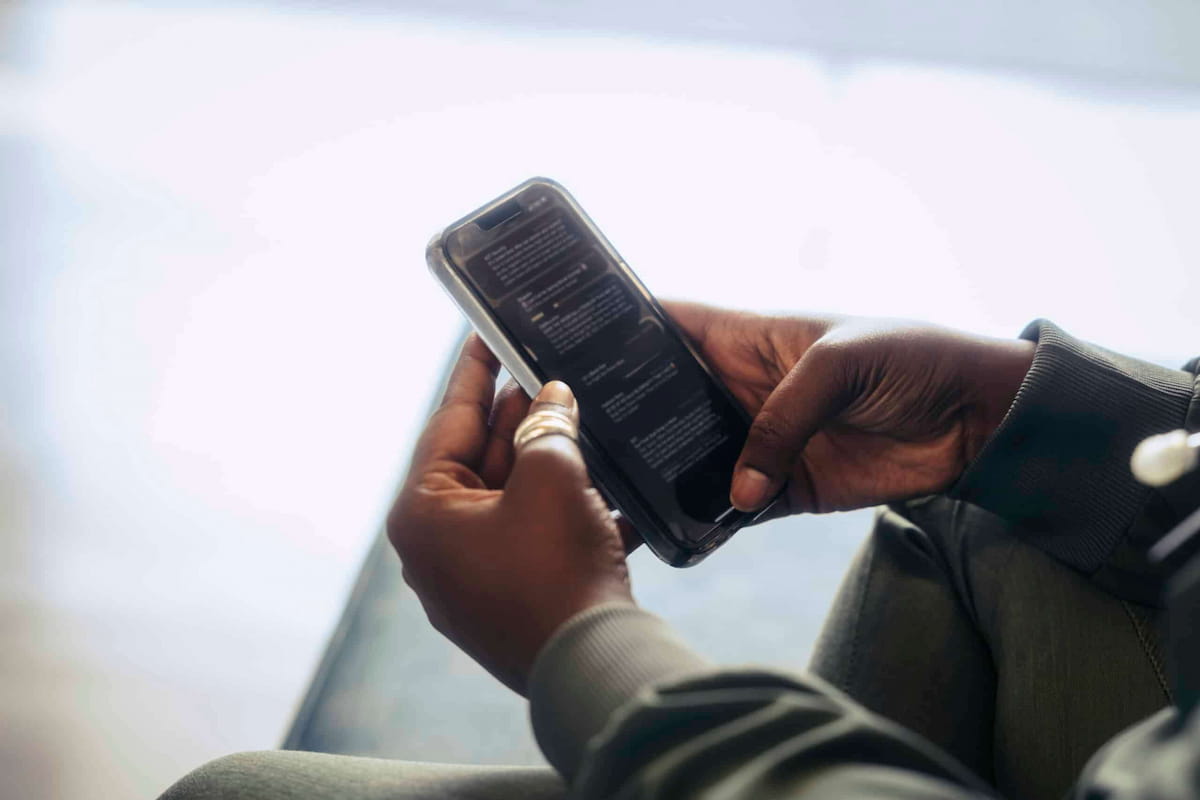
Recognizing digital violence is the first step. Here are a few ways to protect yourself and support others:
Name the behavior. Don’t brush off persistent harassment or cyberbullying. Call it what it is.
Document everything. Screenshots, messages, and timestamps can be critical if behavior escalates or if you need to report it.
Set boundaries. You have the right to say “no,” ignore messages, or remove yourself from unsafe spaces.
Use platform tools — strategically. Blocking, muting, and reporting can help, but pair them with conversations, documentation, or support when needed.
Support others. If you witness someone being harassed online, don’t join in or stay silent. A simple message of support can make a difference.
Know when to escalate. If digital violence involves threats, stalking, or non-consensual sharing of private information, it may require legal action or reporting to authorities.
Digital violence thrives in silence — when people don’t name it, minimize it, or believe it “doesn’t count.” But it does count. The emotional wounds are real. The reputational damage is real. And for too many, the danger is real.
By recognizing digital violence in all its forms — from cyberbullying to digital stalking — we take the first step toward safer online spaces for ourselves and our communities.
If you or someone you know is experiencing digital abuse or stalking, here are a few resources:
The National Network to End Domestic Violence (NNEDV): https://www.nnedv.org
The Cyber Civil Rights Initiative (for non-consensual image sharing): https://www.cybercivilrights.org
Love is Respect (for digital abuse in relationships): https://www.loveisrespect.org
Contact your campus or local authorities if you believe your safety is at risk.

By subscribing, you consent to receive emails from BlackDoctor.com. You may unsubscribe at any time. Privacy Policy & Terms of Service.