If you have psoriasis, you’ve probably heard the advice: “Moisturize after you shower.” It sounds easy enough. But when you’re rushing to get dressed, getting children ready, heading to work, or dealing with psoriasis across large areas of your body, adding another step to your routine might feel like a lot.
Then there are the products themselves. Some ointments feel too greasy under clothes. Others have strong fragrances that can bother sensitive skin. And if you have scalp psoriasis and wear braids, locs, wigs, or another protective style, your skincare routine may need to work around your hair routine, too. The good news is that caring for psoriasis-prone skin doesn’t have to take 20 minutes every morning. A simple three-minute routine can help you protect your skin without completely changing your day.
According to the American Academy of Dermatology (AAD), people with psoriasis should gently dry their skin after bathing, leave it slightly damp, and apply a fragrance-free moisturizer within five minutes. Thick creams and ointments generally hold moisture better than thin lotions. Here’s how to turn that advice into a routine that actually fits into everyday life.
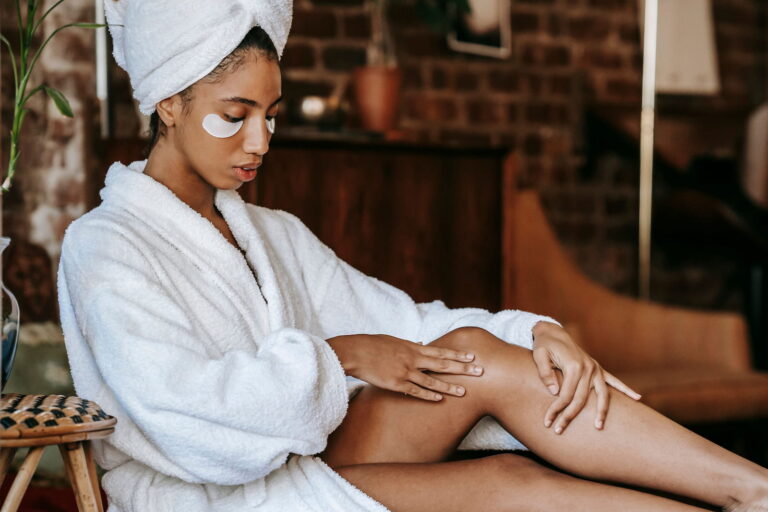
Your first minute starts as soon as you turn off the water. Instead of quickly rubbing your body with a towel, gently pat or blot your skin dry. Leave a little moisture behind rather than trying to get your skin completely dry. Why? Psoriasis-prone skin is already dry and easily irritated. Rubbing it with a towel adds friction, especially over plaques that may already feel itchy, tight, or sore. The AAD recommends gently blotting the skin after bathing and leaving it slightly damp before moisturizing. Think pat, don’t scrub.
This applies during the shower too. Skip rough loofahs, exfoliating gloves, and harsh washcloths. The AAD recommends washing gently by hand because scrubbing can irritate psoriasis and possibly trigger a flare. If you have thick plaques, it may be tempting to scrub away the flakes. Try not to. Scratching, picking, and aggressive exfoliation can injure the skin and worsen irritation.
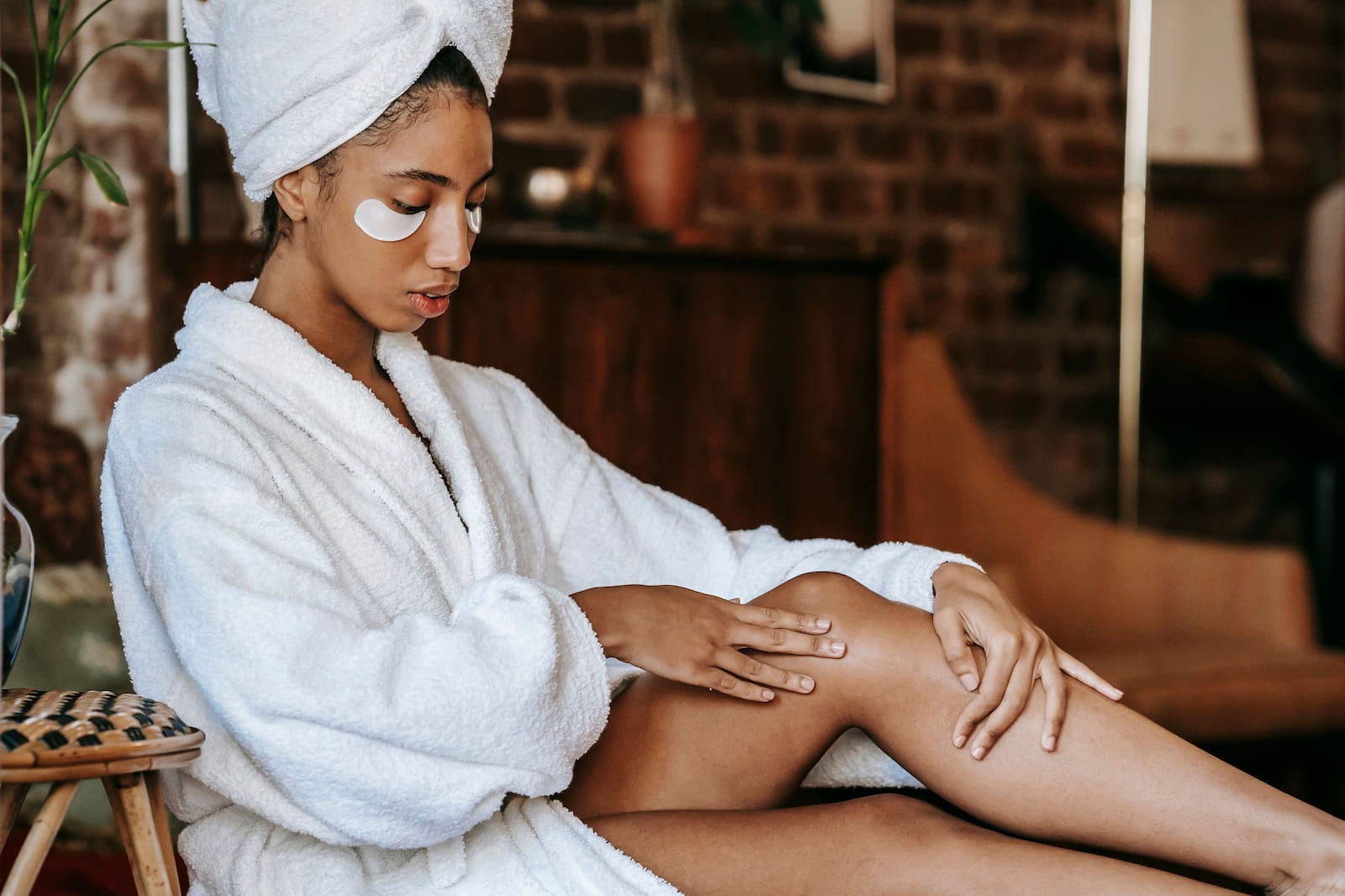
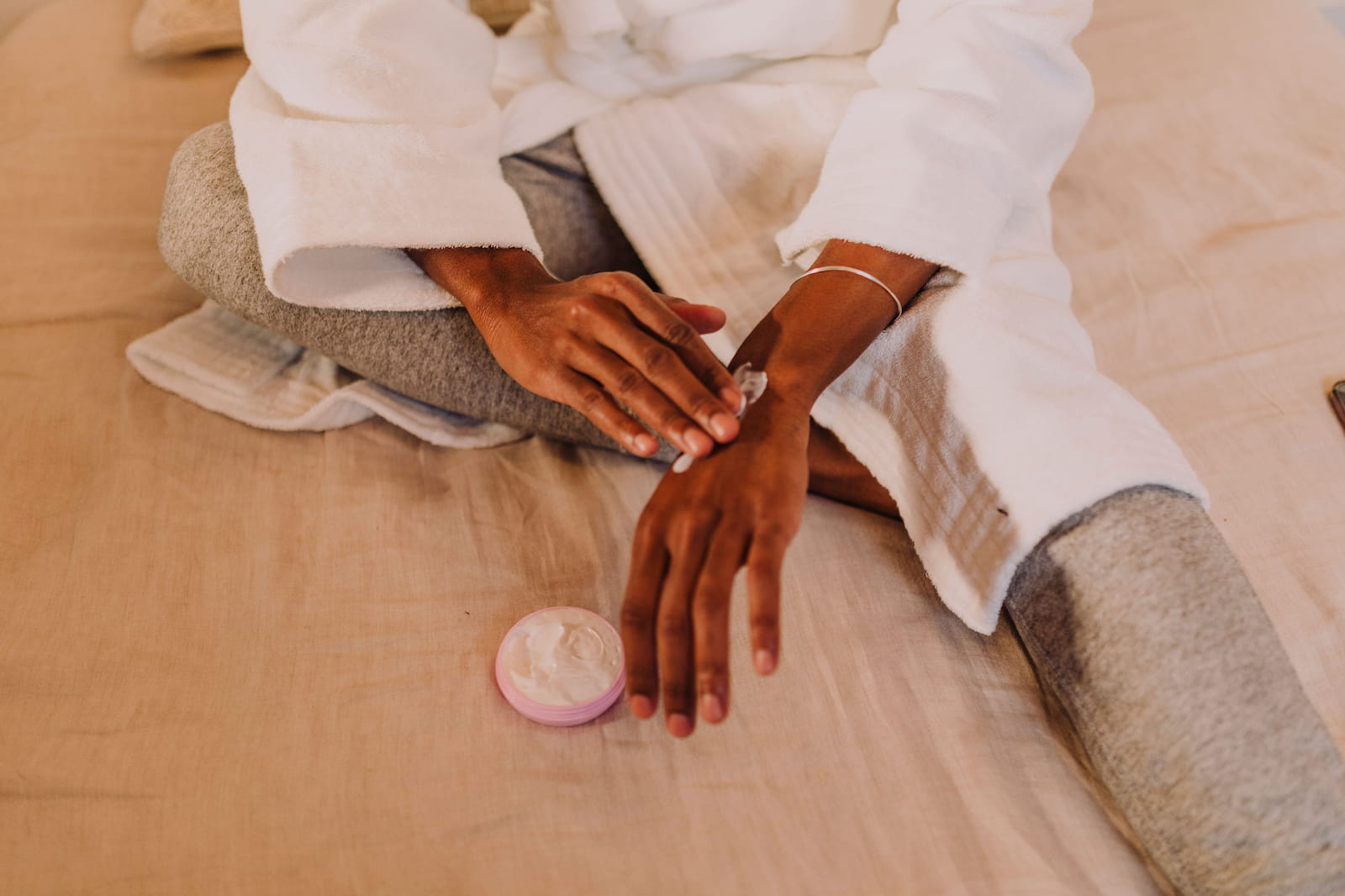
Next, moisturize before your skin fully dries. You don’t need anything expensive or fancy. Choose a gentle, fragrance-free cream or ointment that feels good on your skin.
Creams and ointments are usually thicker than lotions and tend to hold moisture in the skin longer. The AAD recommends thick creams or ointments for psoriasis, although you can use a fragrance-free lotion if heavier products don’t work well for you. Apply the moisturizer gently rather than rubbing it aggressively into your plaques. Pay extra attention to areas that tend to become dry, such as your:
You don’t need a huge amount. The goal is simply to cover the skin and help lock in some of the moisture left behind after your shower.
The “best” moisturizer isn’t very helpful if you hate using it. Some people love thick ointments because they keep the skin comfortable for hours, while others dislike how greasy they feel under work clothes, leggings, or jeans. That’s okay: your morning and nighttime routines don’t have to look the same.
If you need to get dressed right away, a fragrance-free cream that absorbs quickly may be easier to use. At night, when you aren’t worried about staining clothes or feeling greasy, you may prefer a heavier ointment. If a thick cream or ointment feels too heavy during the day, a fragrance-free lotion is another option. The AAD also suggests using a thicker product before bed when possible.
The important part is finding something you’ll actually use regularly.
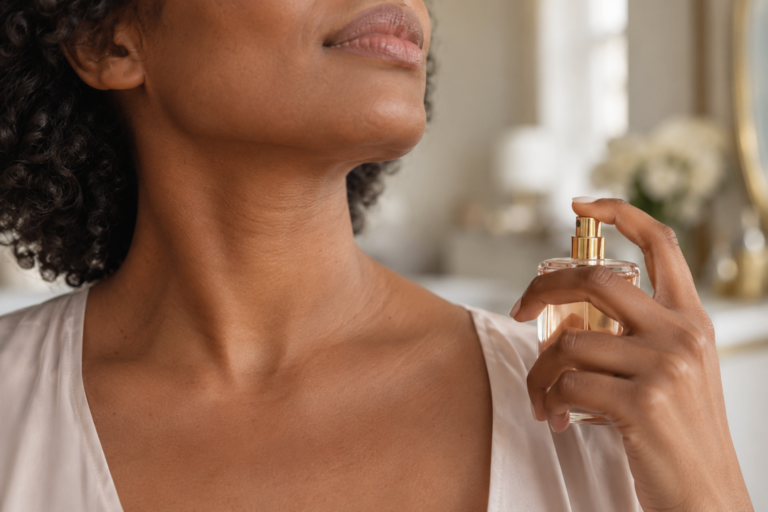
A product can smell wonderful and still be a poor match for sensitive skin. Fragrance is a common source of skin irritation, so dermatologists generally recommend fragrance-free products for dry or sensitive skin. The My Psoriasis Team specifically recommends fragrance-free moisturizers for psoriasis. Pay attention to labels: “unscented” and “fragrance-free” don’t always mean the same thing. The AAD explains that unscented products may still contain ingredients that cover or neutralize other smells.
Also, be careful with heavily scented body oils, body butters, scrubs, essential oils, and exfoliating products. “Natural” doesn’t automatically mean gentle. If something burns, stings, or makes your skin noticeably itchier, stop using it and talk with your dermatologist if the irritation continues.
Psoriasis doesn’t always look the same across all skin tones. On Black skin, psoriasis may appear violet, gray, or dark brown rather than the red or pink patches commonly shown in medical images. Darker or lighter patches can also remain after psoriasis clears. According to the AAD’s information about psoriasis in skin of color, these color changes can last for months. That makes gentle skin care especially important.
Repeated scratching, picking, or irritation of the skin can create another problem when you’re already dealing with psoriasis and skin color changes. Your routine doesn’t need to focus on making your skin look “perfect.” Focus first on comfort, lessening irritation, and following the treatment plan you and your dermatologist created.
RELATED: Spend a Day in a Psoriasis Patient’s Skin
For Black people with scalp psoriasis, a three-minute routine may look a little different. You may have braids, locs, twists, wigs, extensions, natural curls, or another hairstyle that doesn’t work with daily shampooing. That’s important information for your dermatologist.
The National Psoriasis Foundation’s Skin of Color Resource Center notes that some medicated psoriasis shampoos require frequent washing, which may contribute to dryness and breakage in coarser hair. Depending on your needs, your healthcare provider may recommend treatments in forms such as oils, lotions, foams, or solutions that fit more easily into your normal hair routine.
If you wear braids or locs, avoid digging your nails into the scalp to remove flakes. Scratching can injure the skin and cause new psoriasis plaques to develop. You also don’t have to completely change the way you wear your hair. The goal is to find scalp care that works with your hair texture and styling needs.
The National Psoriasis Foundation also offers a scalp psoriasis guide specifically for people with skin of color, including tips for managing while considering different hair types.
Your skin doesn’t only get dry when you’re at home. Maybe your hands feel tight after washing them at work, your legs become itchy after exercising, or the air conditioning in your office leaves your skin feeling dry halfway through the day. Instead of waiting until you get home, keep a small fragrance-free moisturizer somewhere easy to reach. Traveling with psoriasis can be tricky. That might be:
The AAD recommends reapplying moisturizer throughout the day when skin feels dry. A travel-size product can make that much easier. You don’t need to moisturize your entire body every time. If your hands, elbows, or another area feels dry, focus on that area.
The most useful skin-care routine is one you can stick with. Try setting up your bathroom before your next shower by putting your soft towel and moisturizer where you’ll see them immediately. Then remember three steps: Pat. Moisturize. Dress. That’s it.
If mornings are busy, keep your routine simple. Use a lighter moisturizer after your shower and save thicker products for bedtime. Choose a routine that fits your daily life and is easy to stick with.
RELATED: Flake-Free: Psoriasis Skin Routines
Moisturizer can help with dryness, itching, and comfort, but it doesn’t replace psoriasis treatment. If your psoriasis is getting worse despite your usual skin-care routine, contact your dermatologist. Pay particular attention to skin that is:
These changes may mean you need medical care rather than another moisturizer. You should also talk with your dermatologist if your current treatment doesn’t work with your daily life. This is especially important with scalp psoriasis. A treatment that requires a hair-care routine you can’t realistically follow may need to be adjusted.
The National Psoriasis Foundation encourages people with scalp psoriasis to discuss hair texture, washing frequency, and preferred product forms with their medical provider.
Caring for psoriasis doesn’t have to be hard. Gently pat your skin dry, moisturize while it’s still damp, and use products that work for you. If you have scalp psoriasis, choose a routine that works with your hair and hairstyle. Some days you’ll have more time than others, and that’s okay. What matters is finding a simple routine you can stick with that helps your skin feel softer and more comfortable.



By subscribing, you consent to receive emails from BlackDoctor.com. You may unsubscribe at any time. Privacy Policy & Terms of Service.
Enter your name and email to receive the download link.