
If you’ve developed type 2 diabetes before age 45, it’s possible to push the disease into remission with weight-loss dieting and a fitness program that includes aerobic and muscle-building resistance exercise, a new study confirms.
“In early-onset type 2 diabetes, combining structured aerobic and resistance exercise with a low-calorie diet produces high remission rates, induces fat loss while preserving muscle mass, improves muscle quality and function, enhances cardiovascular health, and leads to meaningful improvements in patient-reported outcomes,” concluded a team co-led by Dr. Kaberi Dasgupta.
She directs general internal medicine at McGill University in Montreal.
Her team presented its findings Wednesday in Milan at a meeting of the European Association for the Study of Diabetes. The findings were simultaneously published in The Lancet Regional Health Americas.
Researchers said diagnoses of type 2 diabetes in the young are a troubling trend. Often tied to obesity, early onset of type 2 diabetes in people under 45 reduces a person’s overall life expectancy more than later-onset disease, Dasgupta’s team noted.
But reversing that diagnosis is possible, the new trial showed.
At three centers in Canada and the United Kingdom, Dasgupta (and colleagues at the University of Leicester) enrolled 96 adults under the age of 45 who had obesity and early-onset type 2 diabetes. None had yet started insulin therapy.
About half of participants were randomized to “usual care” for their type 2 diabetes, while the other half received a program involving a weight-loss diet and weekly exercise.
The diet contained 800 to 900 calories per day made up of 30 percent protein, 50 percent carbohydrate, and 20 percent fat.
While on the diet, participants got their calories through total meal replacement (Optifast in the U.K. and ProtiDiet in Canada) for the first two weeks.
During weeks three to 12, they got the meal replacements plus one food-based meal per day (60 to 90 grams of protein, one portion of fruit, two portions of non-starchy vegetables). Participants followed a “weight-maintenance” diet during weeks 13 to 24.
The exercise portion of the intervention involved twice-a-week supervised exercise combining both aerobic and resistance regimens for 12 weeks, followed by independent exercise during weeks 13 to 24.
At the 24-week mark, 27 of the 50 people (54 percent) enrolled in the intervention arm of the trial saw their type 2 diabetes go into complete remission, Dasgupta’s team reported.
Only 2 of the 46 people (4 percent) in the no-intervention arm went into remission.
Much of this difference may have been due to weight loss: People in the intervention arm lost 18.5 pounds on average, compared to 2.6 pounds for those in the control arm, the study found.
When looking at fat mass alone, folks who got the diet/exercise intervention lost an average of 14.5 pounds more fat than those in the non-intervention arm.
The finding reinforces “the potential of structured lifestyle interventions to support clinically meaningful remission” in people with early-onset type 2 diabetes, Dasgupta’s team said.
Incorporating weight training exercise may be key, they added.
“Preserving muscle during remission-oriented weight loss may have important implications for long-term metabolic health, physical function and disease trajectory,” the researchers said.
RELATED: How Lifestyle Clinical Trials Can Help Prevent Chronic Disease
Research shows that Black adults are more likely to develop type 2 diabetes than white adults. Additionally, many Black Americans are diagnosed at younger ages, increasing the risk of complications over a lifetime.
Early intervention may help prevent or delay heart disease, kidney disease, vision loss, and nerve damage. The findings offer hope that lifestyle changes can make a meaningful impact before diabetes becomes harder to control.
Because Black communities continue to face a higher burden of type 2 diabetes, research showing that early intervention may reverse the disease could have significant implications for long-term health outcomes.
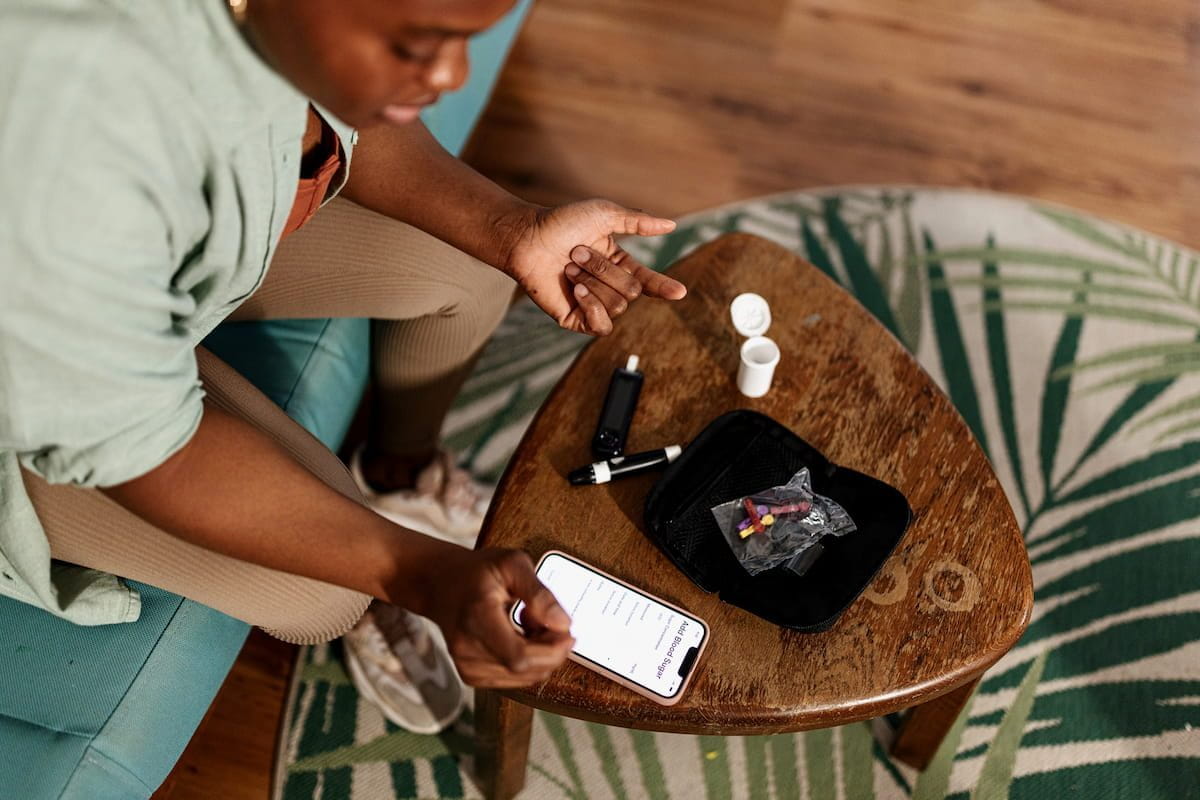
Type 2 diabetes remission occurs when blood sugar levels return to a non-diabetic range (HbA1c below 6.5 percent or 48 mmol/mol) for at least three months without glucose-lowering medications. However, this doesn’t mean that the diabetes has been “cured.” Ongoing healthy lifestyle habits and regular medical follow-up remain important. Some people may experience a return of diabetes if weight is regained or lifestyle changes become difficult to maintain.
Small, yet meaningful changes can help you manage early-onset type 2 diabetes.
These include:
Consult your healthcare provider for personalized guidance on what can help keep your blood sugar levels in control.
RELATED: This Diabetes Drug Was “94% Effective” in Clinical Trials — What That Means for Us
Black Americans remain underrepresented in many clinical trials. Diverse participation helps researchers understand whether treatments work across different populations. Clinical trials continue to explore new approaches for preventing diabetes, remission, weight management, and metabolic health. Participating in research can help improve care for Black communities who are disproportionately affected by diabetes.
More information
Find out more about type 2 diabetes at the American Diabetes Association.
SOURCE: European Association for the Study of Diabetes, news release, Sept 30, 2026


By subscribing, you consent to receive emails from BlackDoctor.com. You may unsubscribe at any time. Privacy Policy & Terms of Service.