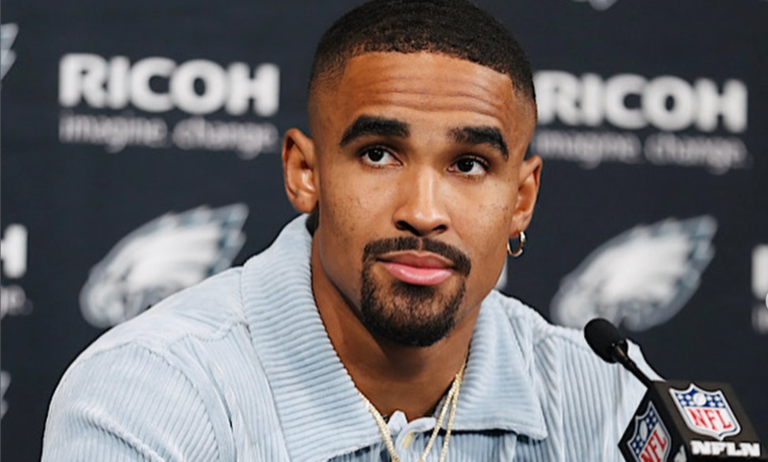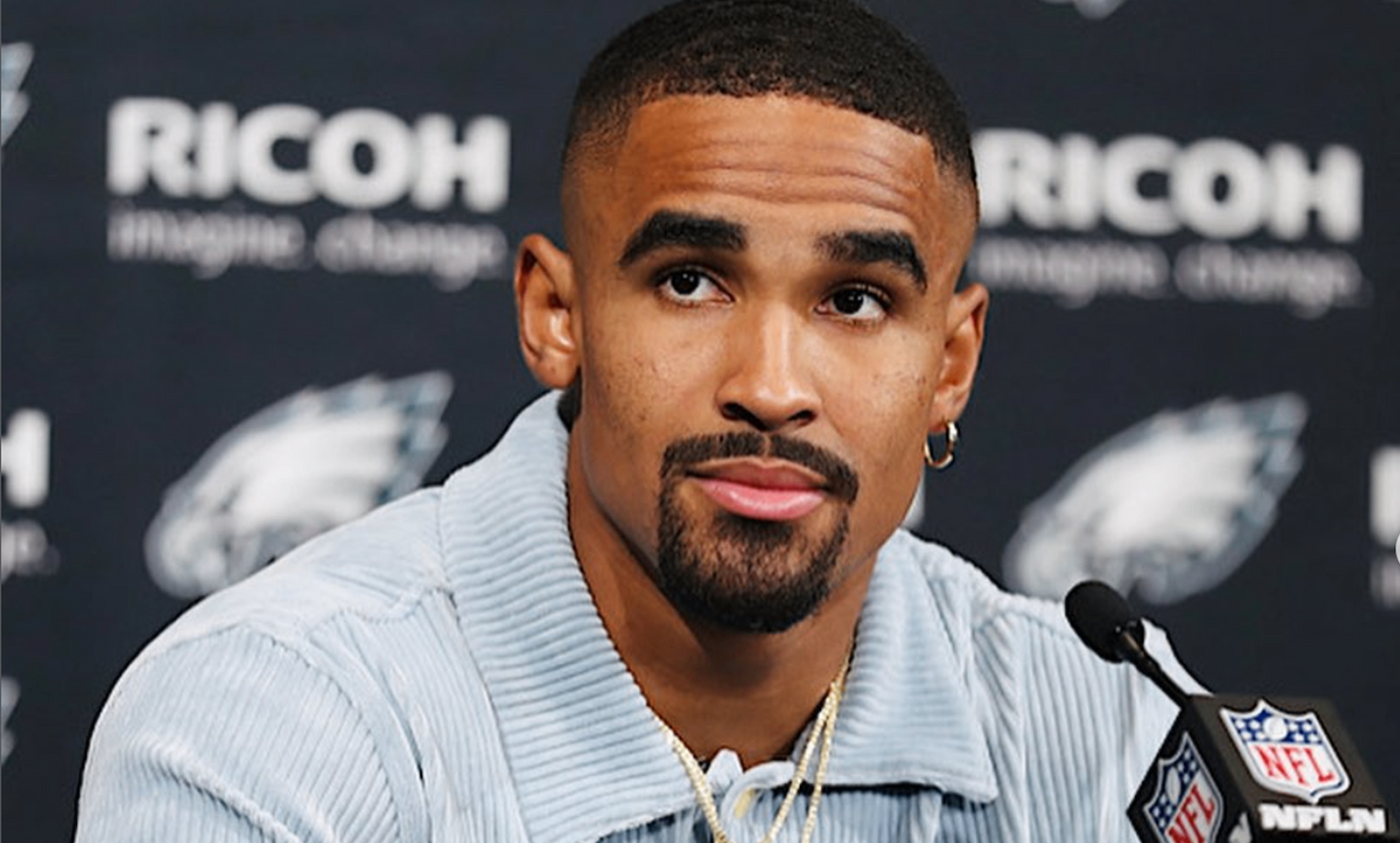
Jalen Hurts is facing a health challenge that reaches far beyond the football field.
The Philadelphia Eagles quarterback has been diagnosed with deep vein thrombosis and blood clots in both lungs, according to an October 19 statement from the team and his agent, Nicole Lynn. He is stable, and his medical team expects a full recovery. However, treatment will keep him out of contact football, with reports indicating he will likely miss the remainder of the season.
His diagnosis brings attention to a condition that can affect people who appear healthy and physically strong. Understanding the warning signs—and knowing when to get help—can save a life.
Hurts was initially diagnosed in London with a clot in a vein near the surface of his left calf. Subsequent evaluations identified a more serious condition: a deep vein clot and pulmonary emboli affecting both lungs.
The Eagles and Lynn said his treatment is expected to involve anticoagulants, commonly called blood thinners. They also indicated that he can remain involved with the team and continue conditioning while avoiding contact activities.
A superficial clot forms closer to the skin. Deep vein thrombosis, or DVT, occurs in a deeper vein, commonly in the leg. If part of a deep vein clot breaks loose, it can travel through the bloodstream and lodge in an artery supplying the lungs. That blockage is called a pulmonary embolism, or PE.
A blood clot in the leg can resemble a muscle strain or lingering soreness, making it easy to dismiss. Possible warning signs include:
Unexplained symptoms like these need prompt medical evaluation. A clot cannot be confirmed by appearance alone; clinicians use appropriate testing to make the diagnosis. Importantly, about half of people with DVT have no symptoms. CDC
A clot that reaches the lungs may cause a different set of symptoms:
Call 911 for symptoms suggesting a pulmonary embolism, especially sudden breathing difficulty, chest pain or fainting. A person can develop a PE without first noticing leg symptoms.
The lungs need steady blood flow to deliver oxygen to the body. A pulmonary embolism blocks part of that circulation, potentially damaging lung tissue and preventing other organs from receiving enough oxygen.
The blockage can also place dangerous pressure on the heart. The right side of the heart must pump blood toward the lungs; an obstruction makes that work harder. Severe pulmonary embolism can lead to heart failure, shock or death. The danger depends on the extent of the blockage and how the heart and lungs respond—not simply whether clots are present in one lung or both.
Some survivors develop persistent problems, including chronic thromboembolic pulmonary hypertension, a condition involving elevated pressure in the lung’s blood vessels from unresolved clot-related obstruction. Continuing breathlessness or reduced exercise tolerance after treatment deserves follow-up. These are possible complications of PE, not reported outcomes for Hurts.
Yes. Successfully treating one clot does not eliminate the possibility of another.
The CDC estimates that roughly one-third of people with venous thromboembolism—a term covering DVT and PE—experience a recurrence within 10 years. That population estimate does not predict Hurts’ personal risk.
A person’s outlook depends partly on what contributed to the original clot and whether those risks remain. Relevant factors can include limited movement, surgery or injury, cancer, certain chronic illnesses, and inherited clotting conditions. A previous clot is itself an important part of the risk assessment.
Preventing another episode means taking medication as prescribed, attending follow-up appointments and discussing precautions before surgery or extended travel. Patients should never stop blood thinners on their own because they feel better. Some need treatment for several months; others need longer protection.
The encouraging news is that Hurts’ team has described his outlook as favorable and expects no lasting effects. Reports have suggested a recovery period of approximately three months, but his actual return will depend on medical clearance.
Beyond the publicly announced plan, the following describes general recovery considerations rather than confirmed details of his individual care.
Medication helps prevent the problem from worsening. Anticoagulants reduce the blood’s ability to clot, helping prevent existing clots from growing and new ones from forming. They do not immediately dissolve the clots already present; the body gradually clears or heals them over time. Treatment commonly continues for at least three months, with duration tailored to the patient.
Football brings an additional bleeding concern. Blood thinners increase bleeding risk, which makes collisions particularly concerning. Hurts’ announced restriction on contact activities reflects that issue. Feeling strong enough to play does not, by itself, make playing safe during treatment.
Activity needs to follow medical guidance. Recovery does not necessarily mean complete bed rest. Appropriate movement can be part of healing, but the type and intensity of exercise should be approved by the treating clinicians.
Follow-up remains essential. Clinicians monitor symptoms, medication safety and whether treatment should continue. Persistent shortness of breath, leg swelling or unusual bleeding needs attention.
For Hurts, the immediate priority is giving treatment time to work and returning safely. For everyone watching his recovery, the message is equally important: unexplained swelling, chest pain or breathing difficulty deserves attention—even when you are young, active and accustomed to pushing through discomfort.

Blood clots are serious, but effective treatment is available. Recognizing the signs and acting quickly can make a profound difference.


By subscribing, you consent to receive emails from BlackDoctor.com. You may unsubscribe at any time. Privacy Policy & Terms of Service.