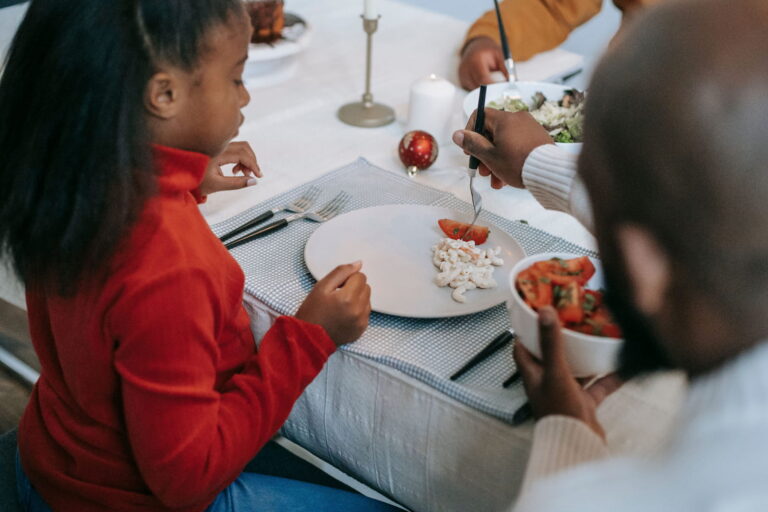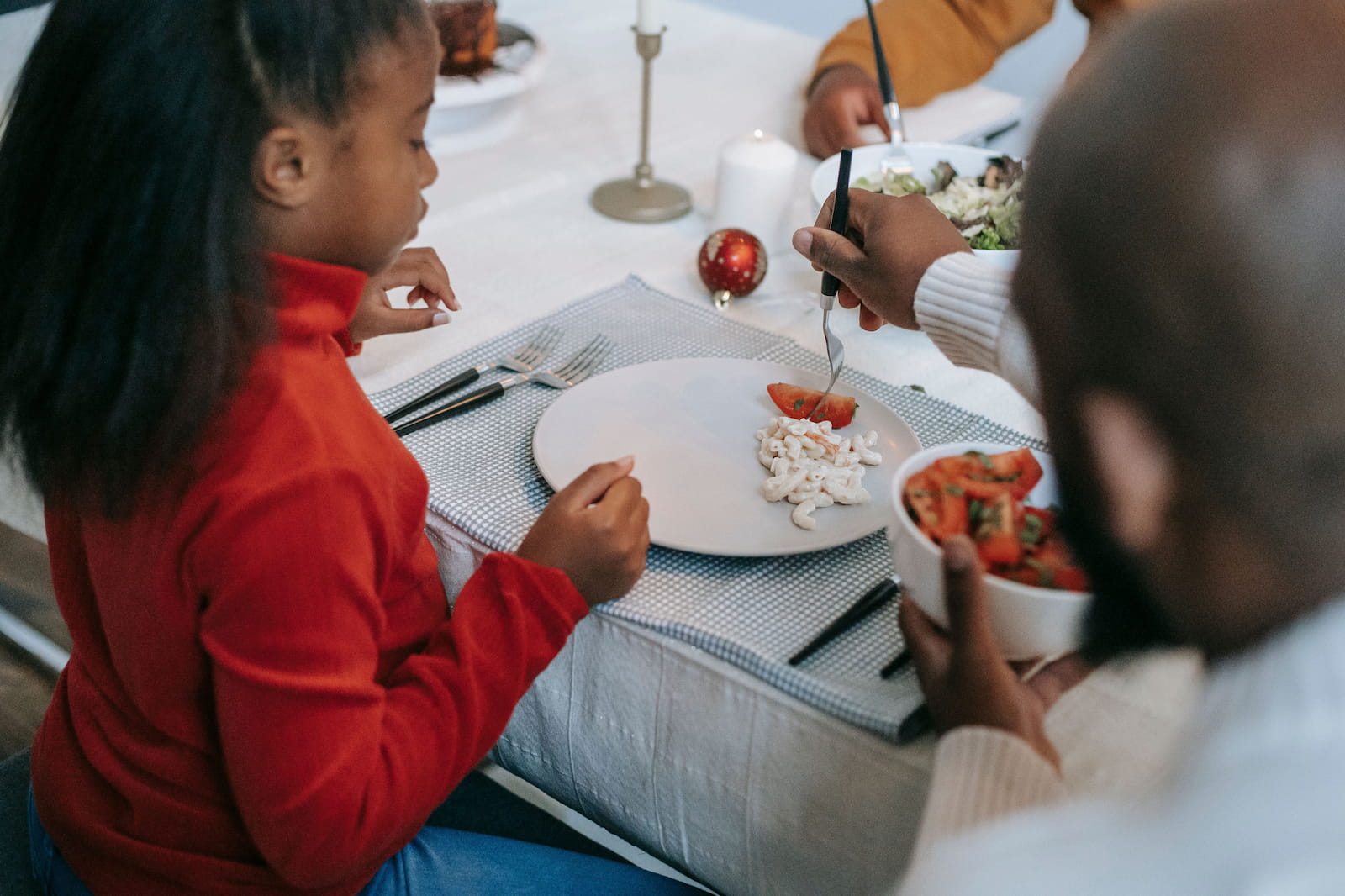
Let’s be honest: we love our kids, but they are a handful! Finding the energy to encourage (or force?) them to eat their veggies just doesn’t exist.
If dinner has turned into a nightly standoff over three sad pieces of broccoli, you’re not a bad parent, and your kid isn’t broken. The encouraging news from feeding research is that you can raise your child’s veggie intake without another battle by outsmarting those little cuties just as nature intended. Here’s how to make it work without losing your evening or your mind.
The struggle is real, and it’s everywhere. According to CDC data, nearly half of children ages one to five, about 49 percent, didn’t eat a single vegetable on a typical day. By the teen years, it gets worse: just two percent of teenagers eat the recommended amount. So if your household is coming up short, you’re in good company.
And this gap hits our kids hardest. In that same report, the share of children who went a day without a fruit or vegetable was highest among Black children. Before anyone hangs that on Black parents, look at what’s underneath it. In a lot of our communities, the corner store is closer than a full grocery store, fresh produce costs more and spoils faster, and food insecurity runs higher, sitting around 21 percent for Black households compared with about 11 percent nationally. That’s a systems problem, and it was built long before you were standing in your family’s kitchen. None of it is yours to fix tonight. What you can do tonight is stretch what’s already in your cart a little further, and that’s exactly where a blender earns its keep.
When a kid won’t eat their greens, we push harder. We bargain, we bribe with dessert, we turn the plate into a negotiation. The problem is that pressure often backfires. When eating a vegetable becomes a battle to win or a chore to survive, the food soaks up all that stress, and kids dig in harder. “Two more bites and you can leave the table” teaches them that vegetables are a toll you pay, not something you really want.
RELATED: Make School Mornings Easier with These 10 Grab-and-Go Breakfasts
This is where a little strategy beats a lot of willpower. In a Penn State study, researchers pureed vegetables into dishes preschoolers already loved, like zucchini bread, pasta with tomato sauce, and chicken noodle casserole. They folded in broccoli, cauliflower, zucchini, tomatoes, and squash, then watched what the kids ate.
The daily vegetable intake climbed by 50 to 73 percent. And this is the part that makes it worth it: the children rated the veggie-packed versions just as tasty as the originals. Nobody’s enjoyment dropped. As a bonus, the loaded-up meals came in a little lower in calories, since vegetables added bulk without piling on. You get more nutrition into the same happy plate, no bribery or begging required.

Now, a fair question. If you’re hiding the vegetables, will your kid ever learn to like the real thing? That’s exactly why blending is a bridge and not a replacement. The puree gets the nutrition in today. Seeing, smelling, and tasting whole vegetables is how your child slowly learns to accept them long-term.
So keep serving the visible stuff right alongside the sneaky stuff. Put a few carrot slices or broccoli pieces on the plate with zero pressure to finish them. Some reassurance for your child’s future eating habits: acceptance is built through repeated exposure, and it often takes eight to 10 tries, sometimes 15 or more, before a new food stops being the enemy. A “no thank you” on try number four isn’t failure. It’s just the fourth data point on the way to yes. Your only job is to keep calmly offering. Their job is to come around in their own time.
RELATED: Your Child’s Brain Is Growing—Is Their Diet Helping or Hurting?
None of this has to be fancy or expensive, and frozen and canned vegetables count every bit as much as fresh. Keep a few bags in the freezer for the weeks when money is tight. It also helps to lean on the vegetables our kitchens already know and love, like greens, sweet potato, squash, and carrots. Here are five easy wins to rotate through.
Here’s the to-do list that will build a healthy, growing child who’s happy at the dinner table:
One last thing, because it matters as much as any recipe. Feeding a family is hard, and it’s easy to make every plate a referendum on whether you’re doing this right. You’re allowed to let that go.
Try to keep shame off the table for everyone, your kids and yourself included. A child who gets scolded for not eating learns that mealtime is a place to feel bad, and that lesson sticks longer than any single dinner. The same goes for you. A night that ends with chicken nuggets and a smoothie is not a failure; it’s a win you can build on tomorrow. The small, doable thing you’ll repeat will always beat the perfectly balanced plate you’re too tired to make.
So start wherever you are. Blend one vegetable into one dinner this week, leave a few carrot slices on the side with no strings attached, and let the rest come slowly.


By subscribing, you consent to receive emails from BlackDoctor.com. You may unsubscribe at any time. Privacy Policy & Terms of Service.