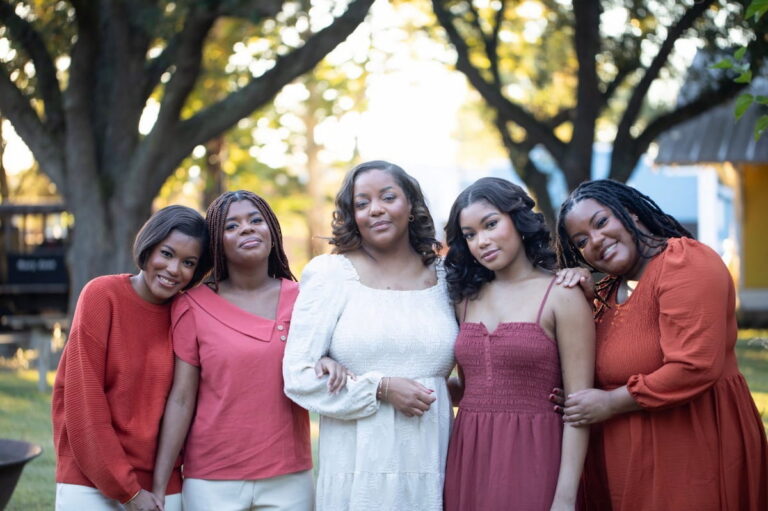
Lakeisha Brown, a Houston mother of four and personal chef, remembers the moment she was diagnosed with heart failure and learned she would eventually need a heart transplant. Then came another challenge: a diagnosis of type 2 diabetes.
Her experience is not uncommon among Black Americans. In fact, approximately 33 percent of Black adults are living with both diabetes and heart disease.
After being diagnosed with heart failure in January 2018, Brown was advised to receive a pacemaker-defibrillator in May 2018, which she did.
From there, life seemed to move forward as usual.
“I come from a generation where you trust the doctors. You don’t really question them. You don’t ask,” Brown tells BlackDoctor. “In my mind, I thought, ‘You’re the ones who went to medical school. You know what the best course of action should be for me and my situation.’”
However, her health began to decline in 2021.
“In December of 2021, I was checked into the hospital, and my organs were shutting down. I had no idea how sick I was,” she shares.
Her heart function had dropped from 20 percent—which was already concerning—to just six percent.
“At that point, they told me, ‘We have to do something, or you’re not going to make it,’” she recalls.
Brown was introduced to a left ventricular assist device (LVAD), a mechanical pump that helps people with advanced heart failure by assisting the heart in pumping blood throughout the body. The device gave her time to recover while she awaited her next steps.
RELATED: ‘The Scariest Year of My Life’: How I Survived Heart Failure and a Stroke
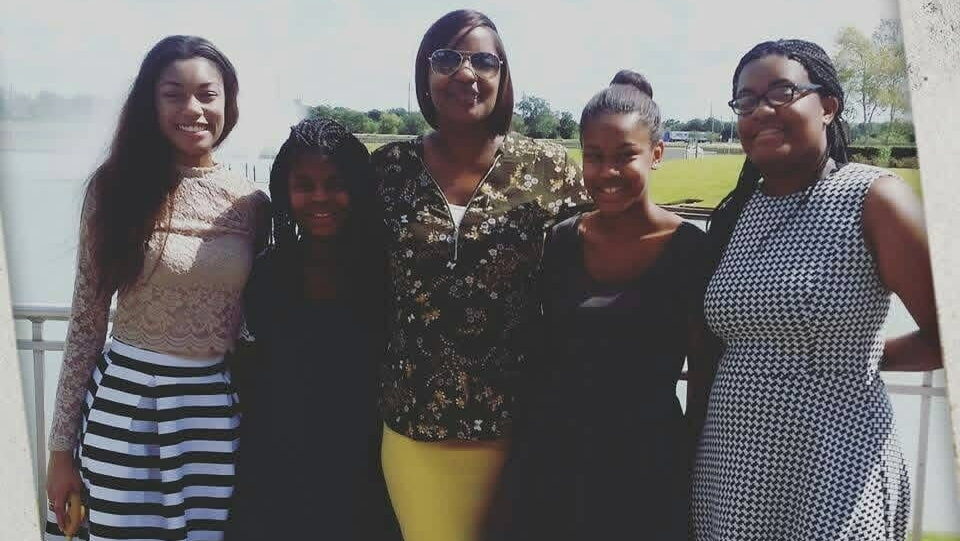
Looking back on her experience, Brown highlights several symptoms that, in hindsight, she believes should have prompted an earlier transplant evaluation.
“Being a mom of four daughters, working full time, trying to start and run a business, and just dealing with everyday life, I really attributed everything to stress. I wasn’t feeling up to par, so to speak, but I just thought it was stress,” she says. “When things got really bad in January of 2018, I actually thought I was having panic attacks. That’s honestly what I thought it was.”
Brown recalls going to bed at night with the sensation that something heavy was sitting on her chest and struggling to breathe whenever she laid down.
“I didn’t have any swelling or any of the other symptoms people often talk about. So I went to urgent care thinking it was anxiety and that they were going to write me a prescription, and I’d be on my way,” Brown shares.
Instead, she was told, “It’s something more serious. You need to go see your cardiologist.”
She went the same day.
“I still remember the look on his face. I think he was surprised because I was young and physically fit. At that point, I was in the gym four or five times a week. I was eating healthy, no dairy. I didn’t drink. I didn’t smoke,” Brown says.
That made the news even more shocking when an echocardiogram revealed she had the heart of a 90-year-old.
Naturally, Brown expected the next step would be creating a treatment plan.
It wasn’t.
“He didn’t say, ‘I think you should be evaluated for a heart transplant,’” she says. “With my heart function being that low, I should have been considered a good candidate for a heart transplant. But that wasn’t the case.”
Instead, Brown went through three cardiologists before finding one who recognized the seriousness of her condition.
“He was like, ‘Yeah, you’re in a pretty bad position. Let’s take a closer look and see what we can do,’” she recalls.
That wasn’t until December 2021.
“The common denominator with the other cardiologists was that they were focused on treating water retention when it was obviously so much more than that,” Brown explains.
Looking back, Brown wishes she had asked more questions—something that now motivates her to share her story.
“I have a college degree. I think I’m pretty well-spoken. But even then, I still didn’t know what questions to ask,” Brown says. “Having someone there with you—or even having someone on speakerphone—can really help you better understand what’s going on and help you figure out what to do next.”
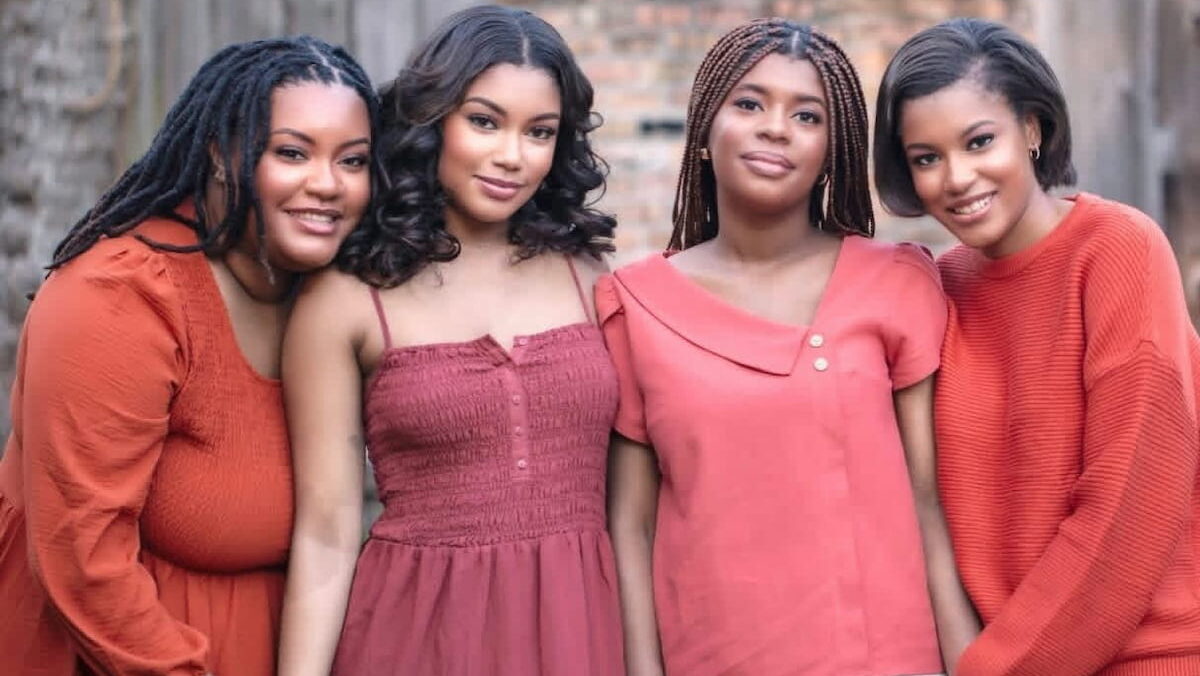
Although Brown’s care was delayed, she says she does not hold anger toward the doctors who treated her. Instead, she focuses on gratitude and the importance of advocating for yourself.
“I’m grateful for that,” she says. “But what I do want people to understand is that you have to be your own advocate. You have to. You have to advocate for yourself.”
“That’s not to say there aren’t great doctors, because I have the absolute best team. They truly helped save my life,” she adds. “But this is your body. This is your health. This is your life.”
Because this was Brown’s second open-heart surgery, she was not overwhelmed by fear. Her biggest concern was her family.
“My first recollection of waking up is kind of fuzzy. There were times when I opened my eyes, but I really wasn’t aware of what was going on,” she says. “I believe my oldest daughter came to visit me that morning. I don’t remember seeing her, but I do remember her holding my hand. I remember the nurse telling me she was there, and that gave me a lot of comfort—to know that she was there and that I was still there, too.”
The recovery process was challenging. Brown had to relearn how to walk and talk after spending time with a breathing tube.
“That part was difficult,” she says. “But being able to see my children, see my husband, and continue living life made it all worth it. There really wasn’t another option for me. My only option was to get stronger, get out of the hospital, and continue living.”
During her recovery, Brown faced another health challenge: type 2 diabetes.
Nearly a year after her transplant, during routine right-heart catheterizations, doctors discovered she was experiencing moderate rejection.
“It was coming up on a year since my heart transplant, and in November of last year, I had an issue. They told me I was experiencing moderate rejection,” Brown says. “For me, that was really disappointing because I hadn’t had any issues up until then. Everything had been going well, and then all of a sudden, here comes rejection.”
She was admitted to the hospital and informed that the treatments needed to address rejection would likely raise her blood sugar.
“They told me, ‘We’re going to give you these treatments, but one of the side effects is that they’re going to raise your blood sugar significantly. There’s a very good chance you’ll leave the hospital with diabetes,’” she recalls.
Brown compares the experience to double Dutch.
“You’re already trying to jump in and keep up with life after the transplant, and then here comes diabetes. So you just have to jump in, adjust, and work it into everything else that’s already going on,” she explains.
Rather than dwell on the diagnosis, Brown leaned into her faith and continued moving forward.
“For the first couple of weeks, I was pricking my finger two or three times a day to check my blood sugar,” Brown says. “Then I went to see my primary care physician, and he suggested something I’d never heard of before—the Abbott Libre continuous glucose monitor, or CGM.”
For Brown, the technology was life-changing.
“It helped me so much because I no longer had to prick my finger multiple times a day to check my blood sugar,” she says. “It also helped me better understand how food was affecting my glucose. I could log what I was eating, and it would show me how different foods impacted my blood sugar.”
The technology has also helped Brown manage her career as a personal chef and caterer.
“Sometimes, as a caterer, I’ll be working an event and I’m completely in the zone—prepping, cooking, and doing all the things—and I don’t always stop to think, ‘Okay, your blood sugar’s getting low,’” she shares. “But again, with the Libre, it’ll alert me. I’ll hear the alarm, and it’ll let me know it’s time to check my blood sugar or grab a snack.”
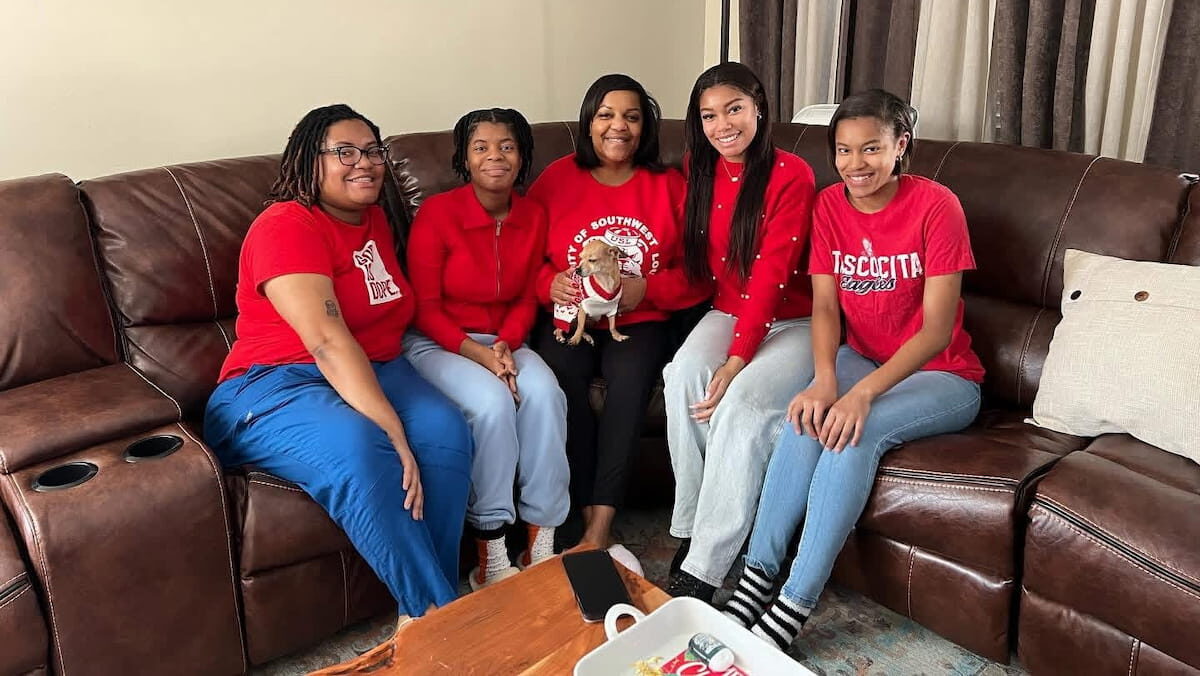
Brown’s commitment to protecting her health is also deeply personal. Nearly 20 years ago, she lost her aunt to complications related to diabetes—an experience that changed the way she viewed her own health.
“It’s interesting because she passed away almost 20 years ago, and it’s strange to think about because she was the same age then that I am now,” Brown shares.
She remembers seeing her aunt shortly before she passed away. Although her aunt was only 48 years old, Brown says she appeared much older because of the toll her health challenges had taken on her body.
“She was like in the body of an 80-year-old woman,” Brown recalls.
Over time, her aunt experienced one health complication after another and eventually entered a nursing home, where she passed away.
Seeing her aunt’s journey shifted something in Brown.
“I remember thinking, ‘I don’t want that to be my future,’” she says.
That realization became one of the reasons Brown prioritized movement, nutrition, and taking control of her health. Even after her first open-heart surgery in 2021, she returned to the gym as soon as she was able—not because recovery was easy, but because she wanted to strengthen her body for whatever came next.
“When I came home in February 2022, when I was better, I started going to the gym,” she says. “Even if it was something simple like getting on the treadmill and walking at a slow pace, I wanted to keep going because I knew eventually I was going to have a heart transplant.”
For Brown, staying active is about more than fitness. It is about preparing her body to recover from future challenges and maintaining her independence.
“I don’t want to be limited,” she says. “If something happens, I want to be able to pick myself up and do for myself.”
Her aunt’s story continues to influence the way Brown advocates for others living with diabetes, heart disease, or other chronic conditions.
“I want people to know they’re not alone,” Brown says. “You have options. Advocate for yourself. Have people on your side. Believe in yourself.”
For Brown, diabetes is not a limitation.
“That’s just not the case,” she says. “I also think it starts with your mindset. That’s more than half the battle. If you believe you’re limited, then you’re going to live like you’re limited. I just don’t think that way.”
She also wants others facing chronic conditions to know that hope remains.
“I’m a spiritual person, and I truly believe that on the days when I couldn’t carry myself, God was carrying me,” Brown says.
She reflects on the “Footprints in the Sand” poem, where someone feels abandoned because they only see one set of footprints, only to realize those were the moments when God was carrying them.
“I truly believe that’s what happened for me,” she concludes.

By subscribing, you consent to receive emails from BlackDoctor.com. You may unsubscribe at any time. Privacy Policy & Terms of Service.