
Uterine fibroids are one of the most common gynecologic conditions affecting women, but they don’t affect everyone equally. According to the Mayo Clinic, by age 50, up to 90 percent of Black people with a uterus will develop uterine fibroids. Compared with other racial groups, Black women are also more likely to develop fibroids at younger ages, experience larger and more numerous tumors, and face more severe symptoms, including heavy menstrual bleeding, pelvic pain, anemia, infertility, and pregnancy complications.
As researchers continue developing new treatments for uterine fibroids, Black women must be represented in the clinical trials that shape future care. Without adequate representation, important questions about treatment effectiveness, safety, fertility outcomes, and long-term results may go unanswered.
BlackDoctor spoke with Jasmine Aly, MD, Regional Director of Clinical Reproductive Genetics at CCRM Fertility of New Jersey, to learn why representation matters and how researchers can create more inclusive fibroid clinical trials.
Fibroid clinical trials are research studies designed to evaluate new ways to prevent, diagnose, and treat uterine fibroids. Researchers study new medications, minimally invasive procedures, medical devices, and other treatment approaches to determine whether they are safe and effective before they become widely available.
Many clinical trials also explore alternatives to more invasive procedures, such as hysterectomies, while examining outcomes that matter to patients, including symptom relief, fertility preservation, recovery time, and overall quality of life.
RELATED: The Future of Fibroid Treatment: What Clinical Trials Are Studying Right Now
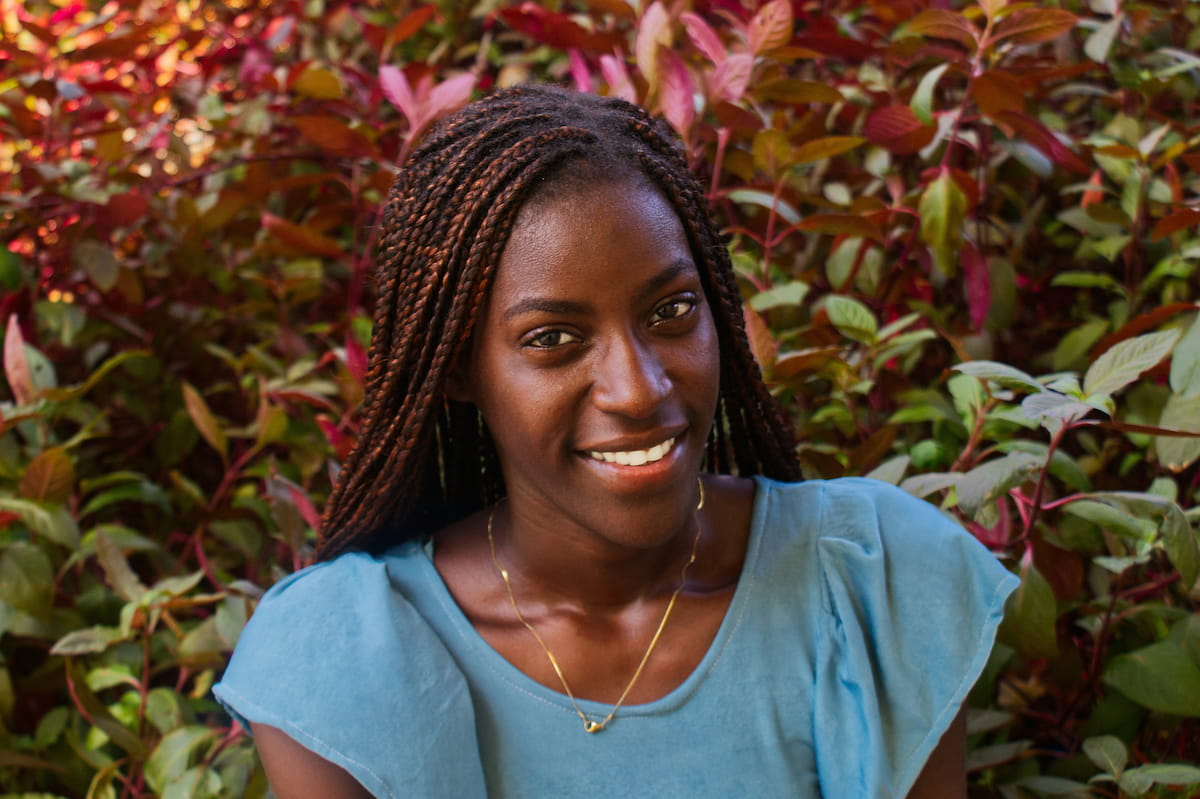
Because Black women are disproportionately affected by uterine fibroids, they must also be adequately represented in the research that informs future treatments. “Having studied fibroid biology in the laboratory and now caring for patients whose fertility may be affected by fibroids, I see representation as both a scientific and an equity issue,” Dr. Aly says.
“The population carrying the greatest disease burden cannot remain an evidence blind spot,” Dr. Aly adds. “Adequate representation allows researchers to determine whether treatments are equally effective, safe, and durable for Black women, particularly when preserving the uterus and future fertility matters.”
She notes that while race itself is not a genetic diagnosis, ancestry-related genetic factors, environmental exposures, access to care, and the cumulative effects of structural inequities may all influence how fibroids develop and respond to treatment. Fibroid clinical trials should evaluate those factors rather than assume one treatment approach works equally for everyone.
When Black women are included in these studies, researchers gain a better understanding of treatment outcomes. Because Black women develop fibroids at higher rates, experience severe symptoms, and get diagnosed younger, having diverse trial participation is vital to ensure new treatments are safe and effective for the population most impacted by the disease.
Clinical trials don’t just determine whether a treatment works — they also help researchers understand who it works for and under what circumstances. Without adequate representation, physicians may have limited information when discussing treatment options with Black women.
According to Dr. Aly, underrepresentation leaves clinicians with important unanswered questions, including whether treatments work as well in women with a greater fibroid burden, whether side effects or recurrence rates differ, whether fertility can be preserved, and whether the outcomes that matter most to Black women were measured during the study.
She points to a race-stratified analysis of laparoscopic radiofrequency ablation as an example. Black women entered the study with nearly twice as many fibroids as white participants and significantly worse symptoms and quality of life. Despite having a greater disease burden at the start of the study, both groups experienced similar reductions in menstrual blood loss and fibroid volume, and the initial differences in symptoms and quality of life were no longer present after 36 months. “That is what adequate representation provides,” Dr. Aly says. “Data rather than assumptions.”
While medical mistrust is often discussed as a barrier to research participation, Dr. Aly says the challenges extend far beyond trust alone. Many eligible patients are never informed that clinical trials exist. Others have previously had their pain, heavy bleeding, or fertility concerns dismissed by healthcare providers, making them less likely to consider participating in research. Study eligibility criteria and research sites may also unintentionally exclude the patients most affected by fibroids.
To improve participation, Dr. Aly says researchers should consistently offer clinical trial opportunities to every eligible patient rather than making assumptions about who may or may not be interested. She also recommends involving Black physicians, investigators, patient advocates, and community partners in study design and recruitment, clearly explaining fertility implications and treatment alternatives, and sharing study findings with the communities that contributed to the research.
“Trust is not something researchers should request from patients,” Dr. Aly says. “It is something the research team must earn through transparency, consistency, and accountability.”
RELATED: Why Black People Are Underrepresented in Clinical Trials
When a Black woman is considering joining a clinical trial, Dr. Aly says the decision should always be based on informed choice — not pressure. “My role would not be to persuade her,” she says. “It would be to help her determine whether the trial aligns with her medical needs, reproductive goals, and comfort level.”
She encourages patients to ask questions about the treatment being studied, potential risks and side effects, fertility implications, privacy protections, and whether a placebo is involved. She also recommends taking consent materials home, involving a trusted family member or a friend in the decision-making process, and seeking a second opinion if needed.
Although participating in a clinical trial may provide access to promising new treatments while contributing to better care for future generations, Dr. Aly emphasizes that no one should feel obligated to enroll.
“The right decision may be yes or no,” she says. “The standard is that it is informed, unpressured, and consistent with her own goals.”

By subscribing, you consent to receive emails from BlackDoctor.com. You may unsubscribe at any time. Privacy Policy & Terms of Service.