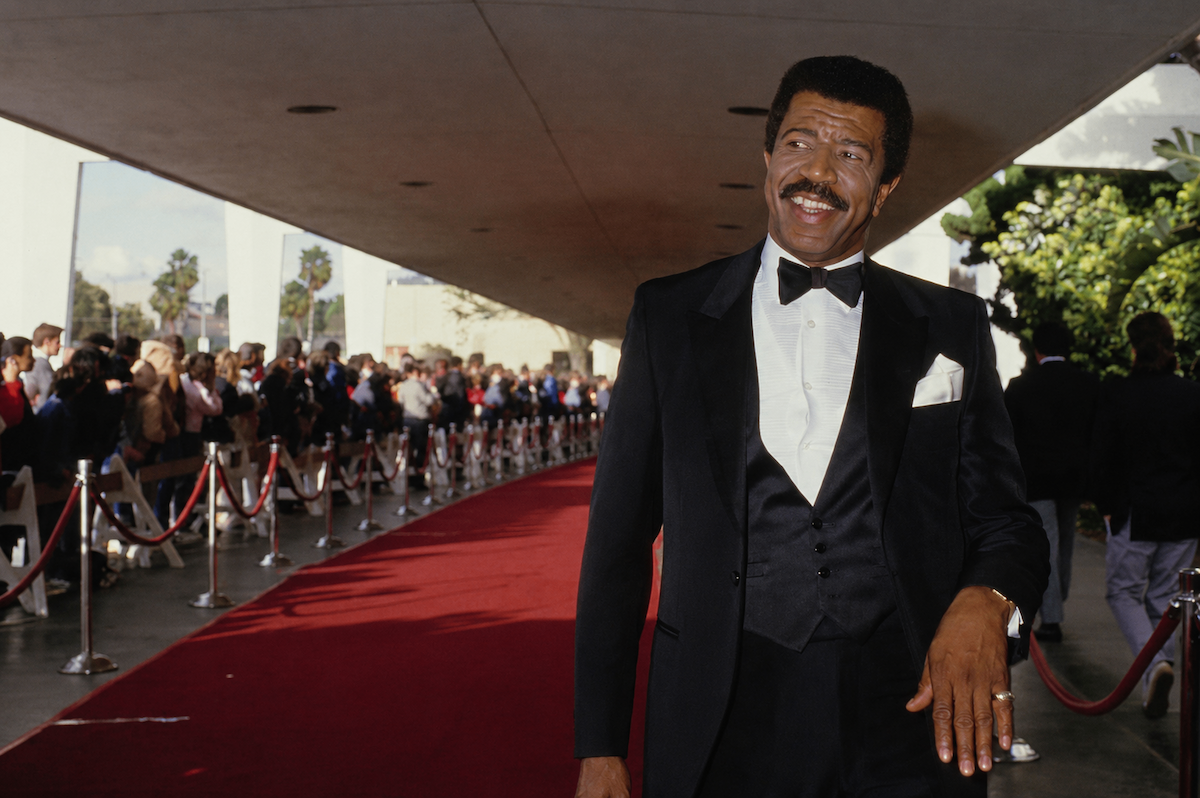
Television has lost one of its most recognizable and dependable performers. Veteran actor Hal Williams, whose career spanned more than five decades and helped shape some of television’s most beloved Black sitcoms, has died at the age of 91. His manager confirmed that Williams passed away on July 15 at his home in Rancho Mirage, California. A cause of death was not immediately released.
For generations of viewers, Williams was a familiar face whose calm presence, warm smile, and understated humor made him unforgettable. Whether he was playing Officer “Smitty” Smith on Sanford and Son, devoted husband Lester Jenkins on 227, or appearing in dozens of television dramas and films, Williams built a reputation as an actor who could elevate every scene without demanding the spotlight.
Born Halroy Candis Williams on December 14, 1938, in Columbus, Ohio, Williams didn’t follow the traditional path to Hollywood. Before pursuing acting, he worked as a corrections officer, postal worker, and social worker, developing a strong work ethic that would define his career. He eventually moved to Los Angeles in 1968 to chase his dream of acting—a bold decision that came later in life than many of his peers.
His journey serves as a reminder that it’s never too late to pursue a passion. In interviews, Williams often encouraged young people to have practical career skills while following their dreams, speaking candidly about the realities of working in entertainment. Even after landing a recurring role on Sanford and Son, he continued working overnight shifts at the post office because he wasn’t convinced acting alone would provide financial stability.
Williams’ breakthrough came in 1972 when he was cast as Officer “Smitty” Smith on Norman Lear’s groundbreaking sitcom Sanford and Son. Playing the level-headed police officer opposite Redd Foxx’s Fred Sanford, Williams became a fan favorite thanks to his ability to balance comedy with sincerity.
Though his role often served as the “straight man” amid the show’s outrageous antics, Williams’ subtle comedic timing made Smitty one of the series’ most memorable recurring characters. His performances helped make Sanford and Son one of television’s defining sitcoms of the 1970s.
Williams found another career-defining role in 1985 when he joined the NBC sitcom 227 as Lester Jenkins, the devoted husband of Mary Jenkins (played by Marla Gibbs).
At a time when positive portrayals of Black fathers were still relatively uncommon on television, Lester became a refreshing example of a loving husband and engaged father. The show also introduced audiences to a young Regina King, and Williams became known as a respected mentor on set.
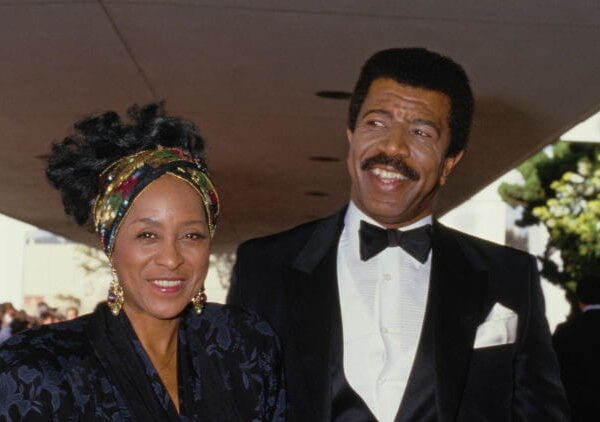
According to co-star Jackée Harry, Williams was passionate about portraying Black fatherhood in a positive light, believing those representations mattered both on-screen and in real life.
Although Sanford and Son and 227 remain his signature roles, Williams enjoyed one of television’s longest-running careers.
His credits included appearances on:
His film work included memorable roles in Herbie Rides Again, Hardcore, The Rookie, Guess Who, and Flight.
Away from television, Williams was known as a thoughtful mentor and advocate for aspiring performers.
He frequently spoke to students and community theater groups about perseverance and financial responsibility, emphasizing that success in entertainment requires resilience as much as talent. Friends and colleagues often described him as humble, gracious, and deeply professional.
Williams was also involved with the Los Angeles Actors Theatre and established a scholarship in memory of his late son, reflecting his commitment to helping future generations of artists.
He is survived by his children, grandchildren, and great-grandchildren.
Hal Williams may never have sought celebrity status, but he became something even more enduring—a trusted presence in American television.
For Black audiences especially, his portrayals of police officers, fathers, husbands, and community leaders offered nuanced, dignified representations during an era when such roles were far less common. His performances helped normalize images of stable Black families and professionals on network television, paving the way for future generations of actors and storytellers.
As fans revisit Sanford and Son, 227, and his many other performances, Williams’ legacy lives on in the laughter, warmth, and authenticity he brought to every role. His career stands as a testament to perseverance, professionalism, and the lasting impact of quiet excellence.


By subscribing, you consent to receive emails from BlackDoctor.com. You may unsubscribe at any time. Privacy Policy & Terms of Service.