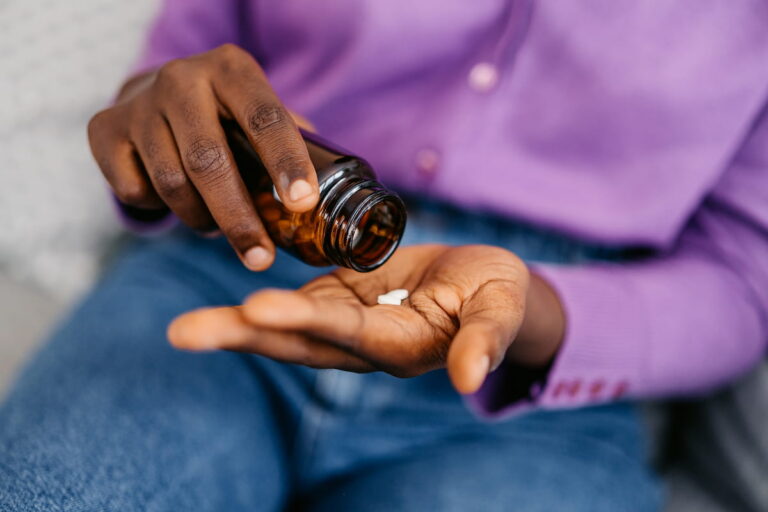
Since the discovery of antibiotics, modern medicine’s ability to control bacterial infections has increased exponentially, and diseases and infections that once killed millions of people are now easily treated and cured. However, with many medical advances, there is often a downside, and antibiotics are one such advance that has seen its share of bad press over the years.
Antibiotics are specifically designed to treat bacterial infections, and they are often very effective. Over the years, it has been discovered that certain types (or strains) of bacteria are not susceptible to all antibiotics, thus certain medicines are useless in the face of particular bacterial infections. When they work, antibiotics stop bacteria from replicating, halting a process that can lead to infections that are larger, more virulent, more dangerous, and potentially lethal.
Antibiotics can be used for a variety of infections, including certain infections of the ear, throat, sinuses, blood, urinary tract, wounds, skin, and respiratory tract.
When it comes to viral infections, antibiotics are useless. Viruses are not the same as bacteria, and antibiotics can play no role in the healing of a viral infection. The common cold, influenza (the flu), most ear infections, bronchitis, stomach flu and most coughs are viral in nature. Some evidence even shows that many bacterial ear infections are not helped a great deal by antibiotics.
Antibiotics are abused or misused in many ways, and here is a sample of the most common misuses and abuses.
• Unfinished treatments: When a patient begins taking antibiotics, they often begin to feel much better within… one or two doses. If the course of antibiotics prescribed is longer than four or five days, the patient will sometimes choose to not complete the course. This can also cause resistant strains of bacteria to develop.
• Taking antibiotics on your own: Patients will sometimes save up antibiotics from a previously unfinished course (see above), and then take the remainder of the medication the next time they feel sick. They may also give the leftover antibiotics to a friend, colleague or family member. Treating an illness with antibiotics without…
a prescription is both illegal and dangerous, and can also lead to resistant strains of bacteria. And taking an incomplete course of antibiotics—even if it may be the correct one for that particular illness—is also problematic.
• Wrongly prescribed: Doctors sometimes feel coerced by anxious patients to prescribe antibiotics, even when it’s clear that the patient has a viral infection. Worried parents don’t want to hear that little Tasha will get better on her own with some TLC and fluids, thus a doctor will sometimes prescribe antibiotics just to appease the parents. This can cause bacteria to become resistant to antibiotics in the future, and these bacteria can even be transmitted to other people.
What Are the Consequences?
As mentioned previously, the overuse or misuse of antibiotics can cause antibiotic-resistant strains of bacteria to develop. When bacteria become resistant, the medicines that used to kill it become ineffective, and doctors have fewer and fewer choices to treat that illness.
MRSA (methycillin-resistant staphlycoccus aureus) is one such “popular” antibiotic-resistant infection, and it has now moved from being a hospital-based infection to a community-wide infection. Treating MRSA is very difficult, and there is currently no end in sight in terms of getting its spread under control.
When so-called “first line” antibiotics fail, doctors then have to resort to more rare and expensive medications, which may also have more serious side effects, not to mention a negative impact on the overall cost of health care.
What Can I Do?
There are many ways that you can contribute to the control of antibiotic-resistant organisms:
• Don’t pressure your doctor: When you or your child is sick, don’t pressure your doctor for antibiotics if the infection is considered viral in nature. Viral infections sometimes get worse and develop into a “secondary” bacterial infection, and it is at this time that antibiotics would be appropriate.
• Control germs: Hand washing, coughing and sneezing into the crook of your elbow rather than into your hand or into the air, and good personal hygiene are crucial. Wash well after sneezing, coughing, using the bathroom, or handling raw poultry, meat or fish. Antibacterial soaps and hand sanitizers may be popular, but hot water, soap and friction are equally as effective (and often more affordable). In fact, some researchers feel that antibacterial soaps actually contribute to the problem of antibiotic resistance. Teach your children about handwashing and proper techniques for coughing and sneezing.
• Take antibiotics as prescribed: When you are prescribed antibiotics, take the entire course of medication exactly as prescribed until it is complete. Whereas many antibiotic regimens used to last 10 to 14 days, most courses are now easily completed in a week or less.
Conclusion
Antibiotics are a useful tool in the medical arsenal, especially when it comes to bacterial infections. However, their misuse and abuse can result in consequences for the individual as well as for society as a whole. Using antibiotics wisely and correctly is one of the best ways to ensure that future generations are not battling infections that became resistant to common medications because of our negligence. Follow your doctor’s orders, use antibiotics as prescribed, and use common sense when it comes to illnesses that require a doctor’s expertise to decide the proper course of treatment.


By subscribing, you consent to receive emails from BlackDoctor.com. You may unsubscribe at any time. Privacy Policy & Terms of Service.