Whether you’re binge-watching your favorite show, working from your desk all day, or spending hours scrolling on your phone, staying seated for long stretches could be doing more harm than you realize.
A new study suggests that prolonged, uninterrupted sitting may increase your risk of developing—and even dying from—certain types of cancer. The good news? Simply standing up and moving around for a few minutes every hour could make a meaningful difference.
Each hour of prolonged, uninterrupted sitting around in a person’s day is associated with a nine percent higher risk of dying from cancer, researchers reported July 2 in the journal PLOS Medicine.
“Our findings suggest that the health effects of sedentary behavior may depend not only on total sedentary time, but also on whether that time is accumulated in prolonged bouts or interrupted by activity,” concluded the research team led by Frederick Ho, a senior lecturer in public health at the University of Glasgow in the U.K.
For the new study, researchers analyzed data from more than 91,000 participants in U.K. Biobank, a large-scale health research effort in the United Kingdom. All the participants wore activity monitors for a week to track their daily movement, and then were followed for about 12 years.
Results showed that sitting around for long stretches without getting up increased people’s risk of developing or dying from cancer, particularly cancers related to obesity or type 2 diabetes.
However, breaking up sedentary behavior with even a little bit of movement reduced cancer risk.
Replacing one hour a day of prolonged sedentary behavior with light physical activity lowered the risk of cancer death by 12 percent, researchers found.
“This pattern is biologically plausible: experimental studies have shown that interrupting prolonged sitting with short bouts of activity can improve metabolic responses compared with uninterrupted sitting,” researchers wrote.
“Current health guidelines focus heavily on moderate or vigorous exercise, but our findings show that light movement shouldn’t be ignored,” the team wrote. “Moving forward, clinical trials will help us move beyond blanket advice and develop personalized strategies for breaking up sitting time.”
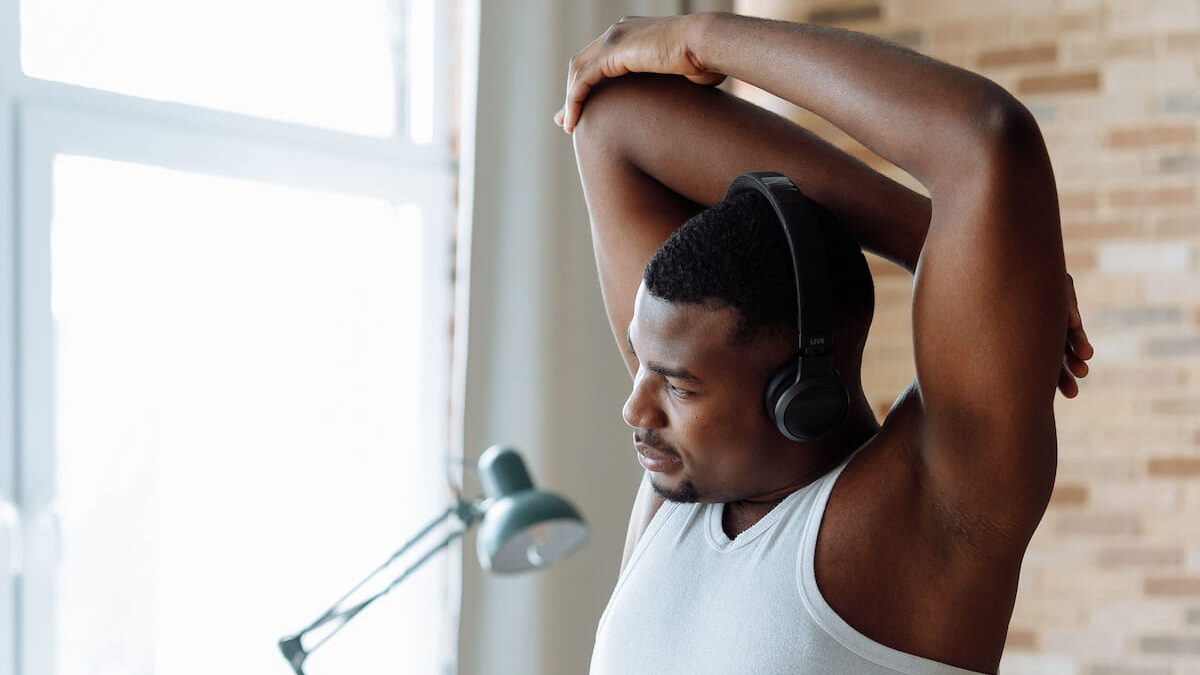
Even small changes—like standing up to stretch, taking a quick walk around the house or office, or pacing during a phone call—can help interrupt long periods of sitting and may lower your long-term cancer risk. The takeaway is simple: every bit of movement counts, and getting up regularly could be one of the easiest ways to protect your health.
According to the National Cancer Institute, exercise can reduce your risk of developing specific cancers. These include:
In order to see substantial benefits and reduce your risk for chronic disease and cancer, the U.S. Department of Health and Human Services Physical Activity Guidelines for Americans recommends:

In addition to preventing cancer, physical activity can also be beneficial for cancer survivors. A report of the 2018 American College of Sports Medicine International Multidisciplinary Roundtable on Physical Activity and Cancer Prevention and Control found that exercise training and testing are generally safe for cancer survivors. In fact, the report shows that every survivor should maintain some level of physical activity.
Here’s what the Roundtable found:
As the latest research shows, you don’t have to spend hours at the gym to reap the benefits of movement. Light activity throughout the day can make a difference. Try these simple ways to sit less and move more:
1. Set a movement reminder. Use your phone, smartwatch, or computer to remind you to stand up every 30 to 60 minutes. Even a two- to five-minute break can help interrupt long periods of sitting.
2. Take walking breaks. Walk around your home, office, or outside during meetings, commercial breaks, or between tasks. A quick lap around the block or office can boost circulation and energy.
3. Stand while you talk. Whether you’re on a work call or catching up with a friend, stand up or pace instead of sitting the entire time.
4. Stretch during TV time. Waiting for the next episode to load? Use that time to stretch your legs, march in place, do a few squats, or walk around the room.
5. Choose the stairs when you can. Skipping the elevator for a few flights of stairs is an easy way to add movement to your day while strengthening your heart and muscles.
6. Make everyday chores count. Household tasks like vacuuming, gardening, folding laundry, or washing dishes all get you on your feet and moving.
7. Build movement into your routine. Park farther from the entrance, walk to a coworker’s desk instead of sending an email, or get off public transportation one stop early. Small habits add up over time.
It’s important to remember that a daily workout doesn’t completely cancel out the effects of sitting for the rest of the day. If you exercise for 30 to 60 minutes but spend the next eight to 10 hours sitting at a desk or on the couch, your body still experiences the negative effects of prolonged inactivity.
Think of movement as something that should happen throughout the day—not just during your workout. Regular breaks to stand, stretch, or walk can complement your exercise routine and may help lower your risk of cancer, heart disease, diabetes, and other chronic conditions.


By subscribing, you consent to receive emails from BlackDoctor.com. You may unsubscribe at any time. Privacy Policy & Terms of Service.