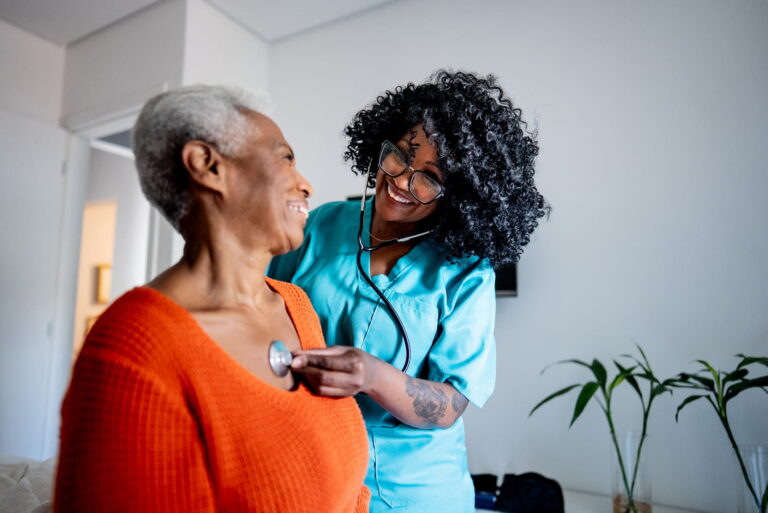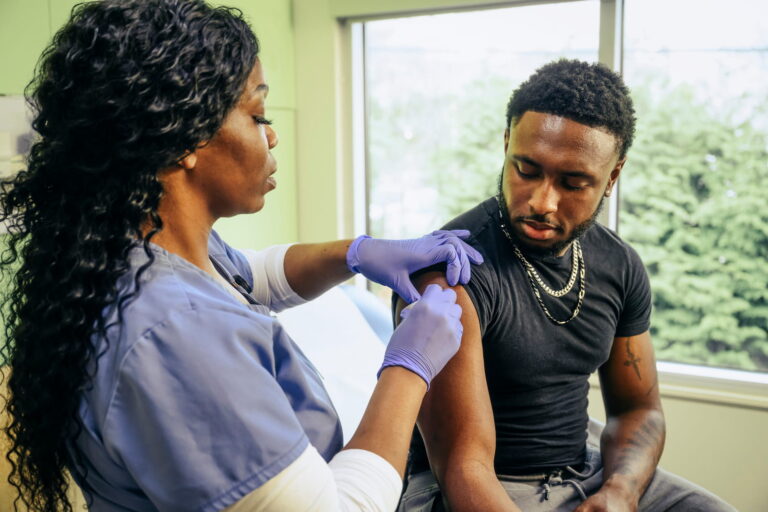
Preventive health screenings are important for everyone because things like pap smears, mammograms, colon cancer screenings and vaccines can save lives. But sometimes, even these simple preventative steps aren’t used–especially in the Black community. African Americans have a greater risk of developing certain chronic health conditions compared to the rest of the U.S. population. This includes heart disease, high blood pressure, obesity, diabetes and stroke. The American Academy of Family Medicine Physicians refers to factors that influence a person’s health outcomes as social determinants of health. These are the conditions under which people are born, grow, live, and work.
Some factors disproportionately affect the health outcomes of African Americans, including: Access to screenings A significant reason for health disparities is unequal access to health screenings and preventive measures. Making appointments for routine screenings requires reliable transportation, health insurance, health literacy, time off from work, and family support. Patients are less likely to seek preventive care if they don’t have transportation, child care, the ability to pay, or health insurance. Unfortunately, African Americans are at an increased risk for these social determinants of health that negatively affect their ability to seek care. Screening disparities For decades in the medical community, the calculation for kidney function included race. The glomerular filtration rate is an estimate of kidney function (called eGFR) based on several calculations, including age, sex, body weight, etc. The original clinical trials that developed the formulas for eGFR assumed that race was biological. Historically, the formulas include a Black race variable, which increased eGFR values for this population and overestimated kidney function by up to 16 percent. This led to delays in African Americans receiving kidney disease diagnoses, referrals to dialysis care, and eligibility for kidney transplants. Access to nutritious foods In addition to screening differences, many African Americans suffer from food insecurity, which is unreliable and inconsistent access to nutritious and affordable food. According to the Department of Agriculture, Black Americans were three times more likely to face hunger than white Americans, and nearly 20 percent of Black Americans live in food-insecure households. In addition, Black people are more likely to live in a “food desert,” where affordable, healthy food is difficult to find. Eating unhealthy food is linked to higher rates of obesity, diabetes, and high blood pressure.

According to the National Cancer Institute, only 60 percent of Black folks 50 and older get screened for colorectal cancer, compared to 68 percent of white adults. But it gets even wilder. Per the American Cancer Society, Black people have a 20 percent higher rate of diagnosis and are 40 percent more likely to die from colorectal cancer than other races. Considered the third most common cancer in the Black community, it’s no wonder this thing’s a problem. But what’s driving this? Why are so many Black men and women of all ages not getting screened? Why are opportunities to save lives not being seized? Unfortunately, there are no simple answers to these questions. However, by examining the research and statistics, and by understanding the cultural factors, we can begin to figure this out…
The numbers from the National Center for Health Statistics are pretty grim. In 2023, roughly 153,000 people were diagnosed with colorectal cancer in the U.S. alone. Some 52,000 of those individuals are expected to die, with nearly 4,000 deaths coming in people under the age of 50. So clearly, colorectal cancer is not a problem of small proportions. It’s an issue that can strike when people least expect it. One day, it’s stomach problems that don’t seem to go away, then you’re at the doctor, and BOOM – a cancer diagnosis. This again is why early and regular screening is so important. One of the suspected reasons for low screening rates is a lack of healthcare access. This could be a lot of things, whether it’s poor insurance coverage, not enough doctors’ offices or clinics in communities, or problems paying medical bills. Sometimes, it’s also due to medical mistrust. Black patients, especially, may feel that doctors are not culturally aligned. Perhaps they don’t understand certain struggles, ethnic traditions, diets, or other lifestyle factors that impact Black health and well-being. In some cases, it’s simply a lack of awareness. Certain communities aren’t getting the education about these types of health problems and screening procedures. They simply don’t know, and unfortunately, you can’t treat what you don’t know. But it goes beyond this… RELATED: Q&A: Are Black Americans Facing a Silent Crisis with Colorectal Cancer?
The problem with colorectal cancer in the Black population is complicated. Not only does it occur at higher rates in more aggressive forms, but it also shows up differently in screenings and tests. The result? Many Black patients may not be getting the diagnosis they need. The lack of detection means a lack of proper treatment, which, of course, means worse outcomes for survival. This is why understanding the biological differences is so critical. According to research, Black patients have unique gene mutations that may make them more susceptible. These include issues with the KRAS, APC, and BRAF V600E genes, which regulate how the body repairs DNA problems. Without these genes working properly, cancers may be more likely to develop. Black folks also have cellular differences in their colons, causing colorectal cancer to strike different parts of their colon. In fact, the Black community is more likely to get this cancer in the right side of the colon, as well as the rectum. This is problematic because these areas are often harder to detect and treat. The tumor characteristics of colorectal cancer are also different. Studies indicate that Black patients may have more pro-inflammatory cytokines, which may increase the growth of tumors. This is a primary reason that their cancers may show up more aggressively.
The first thing is knowing your options. If you have symptoms, don’t ignore them if they persist. Remember, many symptoms of colorectal cancer are often mistaken for something else. Problems such as cramping, weight loss, fatigue, pelvic pain, back pain, and changes in your bowel movement schedule may all be caused by colorectal cancer. Even if you don’t have symptoms, you should start getting regular screenings at age 45, and sooner if there’s a family history. When it comes to screenings, don’t be afraid to ask for more testing if one doesn’t find anything. Besides the typical colonoscopy, tests like the fecal immunochemical test (FIT), flexible sigmoidoscopy, stool DNA test, and CT colonography can all help immensely. Again, it’s always better to be safe than sorry. The first doctor you see will likely be a gastroenterologist, but from there, you may see a medical oncologist, colorectal surgeon, pathologist, and more. If this all sounds overwhelming, just think of it this way. You’re taking on this problem head-on. You’re finding out for sure, leaving no stone unturned, and getting ahead of the issue. This is the smartest and best thing you can do, even if it can sometimes be a pain in the butt (pun intended)!

By subscribing, you consent to receive emails from BlackDoctor.com. You may unsubscribe at any time. Privacy Policy & Terms of Service.