Tracee Ellis Ross isn’t interested in looking younger.
She’s interested in looking like herself.
During a candid conversation on “Baby, This Is Keke Palmer,” the 53-year-old actress opened up about embracing the changes that come with aging instead of chasing an impossible version of youth.
“I like the life that’s on my face,” Ross said.
Rather than trying to erase every wrinkle, Ross says she’s learned to appreciate what they represent—a life fully lived.
“I don’t want to look like a dolphin,” she joked, laughing at the idea of pursuing perfectly smooth, wrinkle-free skin.
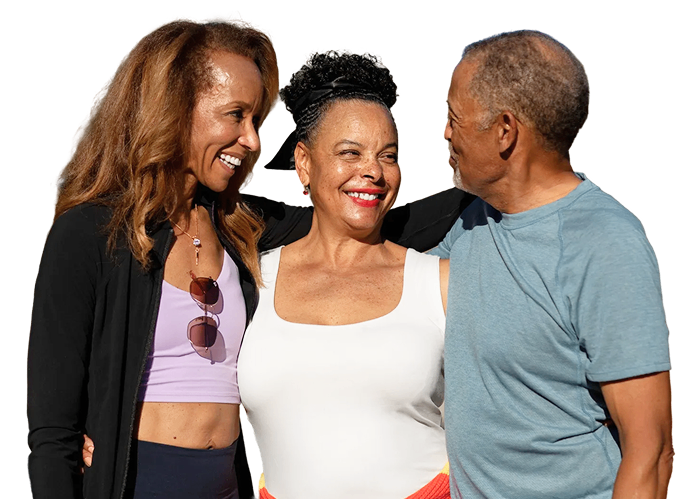
Her comments reflect a growing shift among women over 50 who are redefining what healthy aging really means. Instead of focusing solely on looking younger, many are prioritizing strength, mobility, healthy skin, and feeling good in their bodies.
RELATED: What Doctors Say To Eat In Your 30s, 40s, & 50s
Ross made it clear that accepting aging doesn’t mean neglecting her skin.
She still wears sunscreen consistently and takes care of her complexion—but not because she’s trying to stop time.
Instead, she views skin care as part of self-care.
That distinction matters.
Ross also offered one piece of practical advice she hopes everyone takes seriously: “Wear that sunblock. I don’t care that you’re Black.”
For years, many Black women have heard the phrase, “Black don’t crack.” While melanin offers some natural protection against ultraviolet (UV) damage, dermatologists say it doesn’t eliminate the need for sunscreen or healthy skin habits. Daily sun protection helps reduce the risk of hyperpigmentation, premature skin aging, and skin cancer across all skin tones.
Healthy aging, Ross suggests, isn’t about pretending your face never changes.
It’s about caring for the face that has carried you through life.
RELATED: 5 Sunscreen Myths Too Many Black People Still Believe
Ross also spoke honestly about noticing changes in her body as she gets older.
“Sometimes I’m like, ‘Where is my thick?'” she joked during the conversation. “Then sometimes I turn around, and I go, ‘Oh, it’s still there,’ it’s just in a different place. Our bodies change and whatever…I’m just grateful that it’s still holding me up.”
She also laughed that it sometimes feels like her muscle mass is “cutting itself in half.”
“I believe it’s just getting older,” Ross said.
Like much of the interview, the moment was funny, but it also reflected something deeper: aging often changes the way women see themselves before it changes the way anyone else sees them.
Ross isn’t diagnosing herself. She’s simply describing changes many women begin noticing in midlife.
Physical therapists say one of those changes has a name.
As estrogen levels decline during perimenopause and menopause, age-related muscle loss—known as sarcopenia—naturally accelerates while bone density begins to decrease. Those changes can affect metabolism, balance, posture, energy levels, and overall independence.
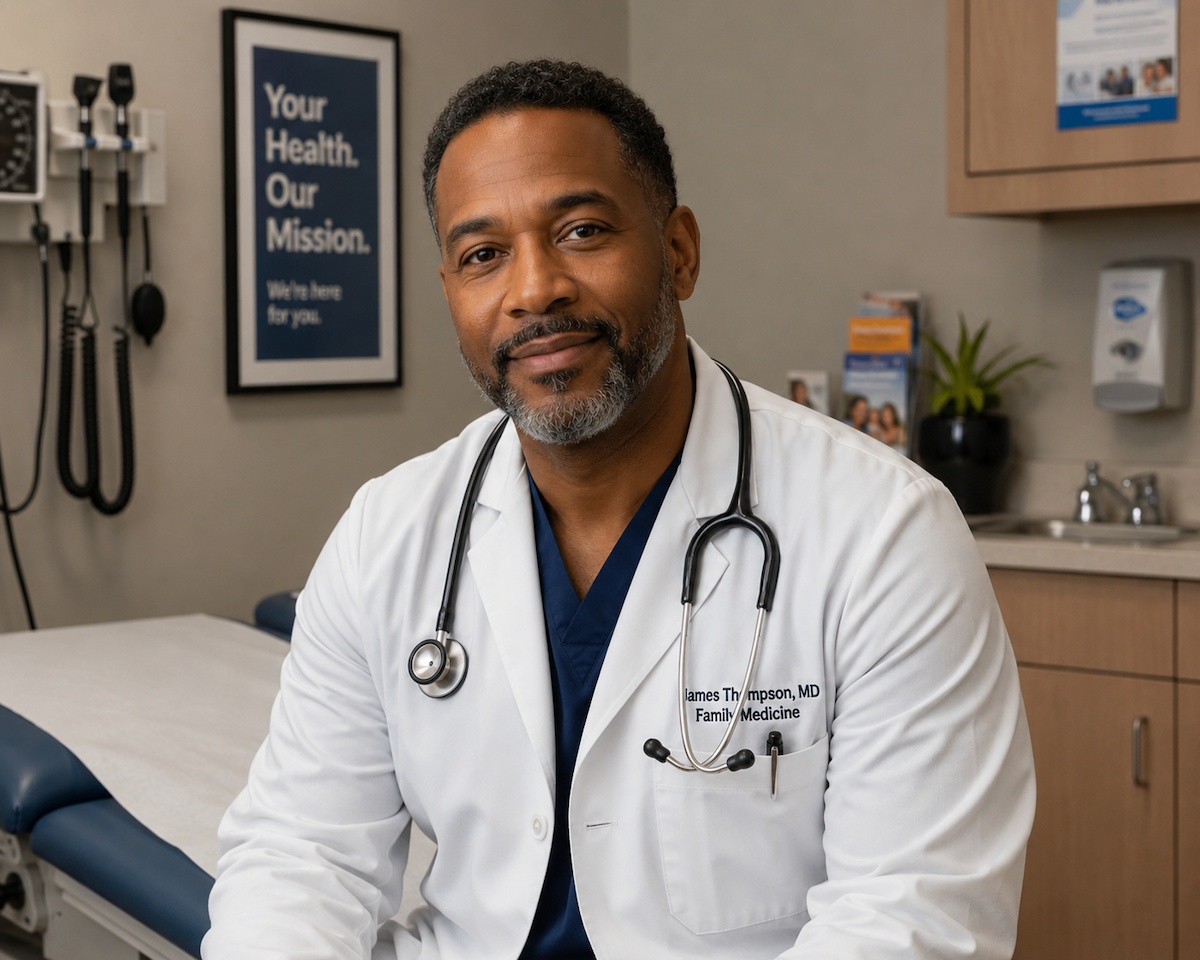
“Maintaining muscle mass is no longer just an option; it is essential,” says Dr. Femi Betiku, DPT, instructor for Club Pilates. “It protects the joints, stimulates bone growth, and supports overall metabolic health.”
Healthy aging, he says, is about much more than appearance.
“Strength training builds the physical foundation for independence,” Dr. Femi explains. “Strong muscles stabilize our joints, improve balance, reduce the risk of falls, and help ensure you can comfortably perform daily tasks without pain or restriction.”
RELATED: Maintaining Fitness After 50
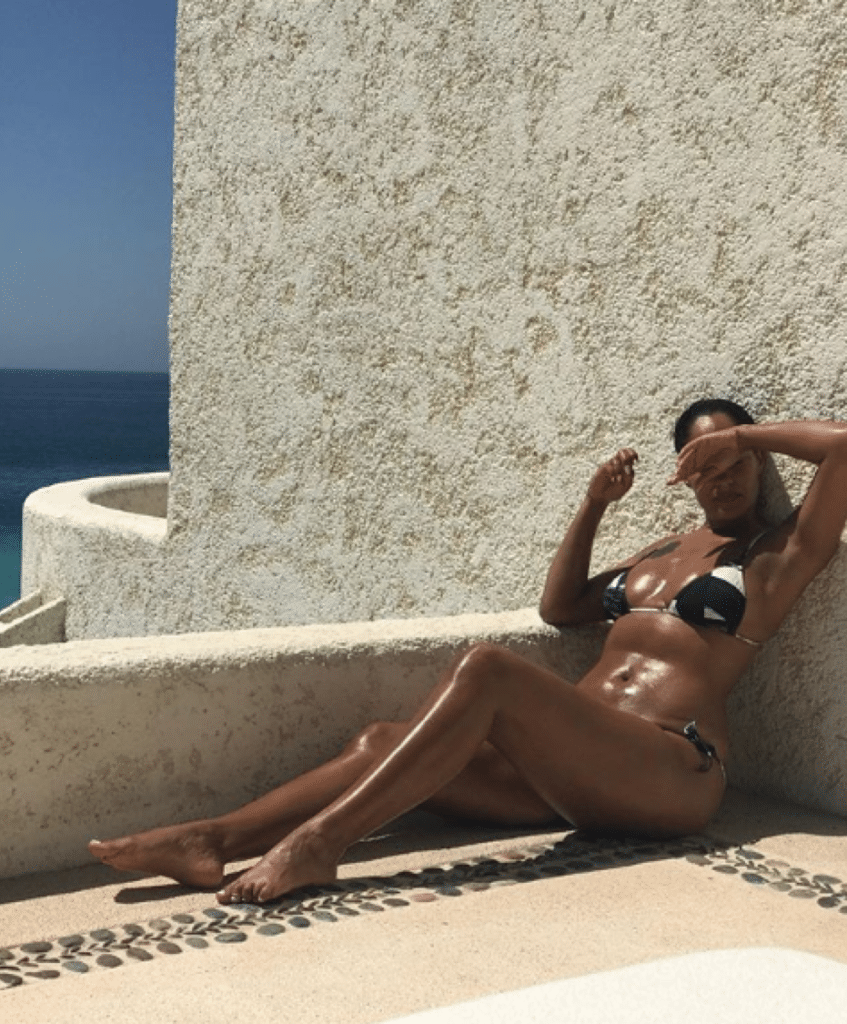
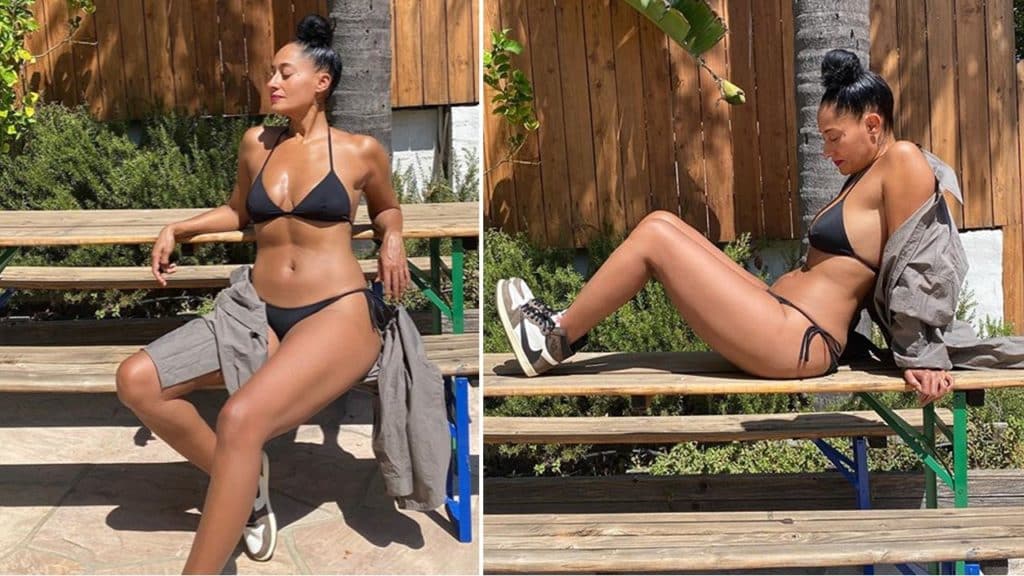
Ross has long embraced movement as part of her wellness routine, and fitness professionals say that becomes increasingly important with age.
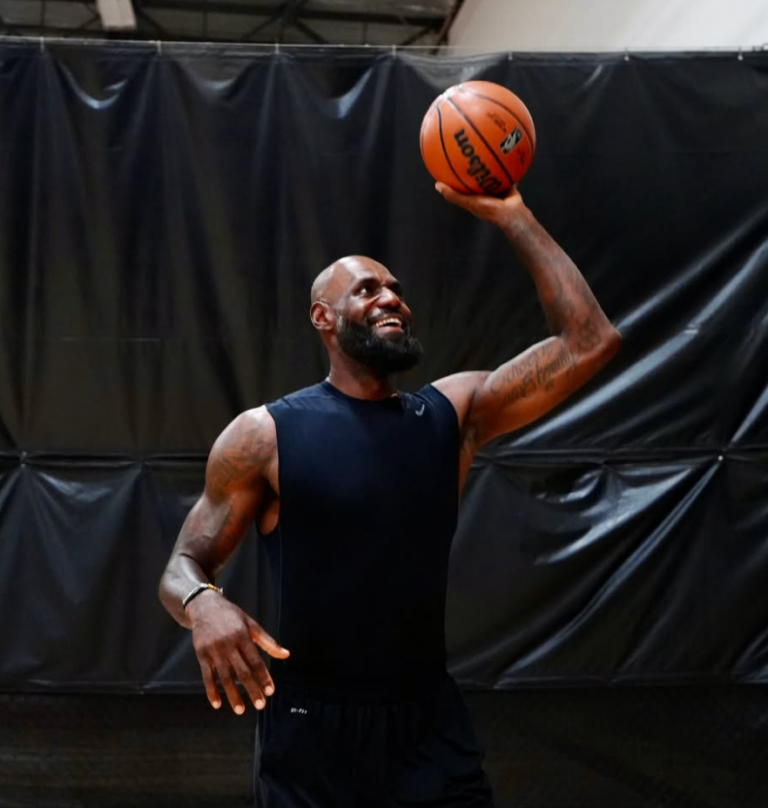
“We start to lose muscle mass after age 30,” says certified personal trainer and nutrition coach Tyneka Pack. “Entering menopause, muscle becomes important because it supports metabolism, helps with blood sugar control, and improves bone density, lowering the risk of osteoporosis.”
Pack encourages women to stop thinking about exercise only as a way to change their appearance.
“‘Looking younger’ is about chasing a toned look,” says Pack, who owns IMPACKT Fitness. “Instead, we need to focus on functionality and longevity. Looking younger isn’t what’s going to help you live independently longer or move pain-free for more years.”
Instead, she recommends building a routine that includes strength training, mobility work, stretching, and cardio.
Instead of fighting every visible sign of aging, Ross seems more interested in changing the way we think about it.
Throughout the conversation, she returned to the idea that getting older isn’t something to apologize for or hide. It’s simply part of living a full life.
Pack says physical strength often creates emotional confidence as well.
“You really tell yourself you can do hard things—and you do,” she says. “Once you build that confidence in the gym, it has no choice but to show up in other aspects of your life.”
Every workout, she says, becomes evidence that you’re capable.
“When you look good, you feel good,” Pack says. “But when looking good is the result of the work you’ve put in, it becomes even more rewarding.”
RELATED: What Black Women Should Know About Hormones, Aging and Midlife
One of the biggest myths about aging, both experts say, is believing it’s too late to begin.
Betiku recommends starting with beginner-friendly Pilates, bodyweight exercises, or light resistance training to improve strength, mobility, flexibility, and balance.
Pack agrees.
“Start with three days of full-body workouts,” she says. “Even 30 minutes is enough. Focus on proper form before worrying about heavier weights.”
She also hopes more women let go of another common misconception—that lifting weights will make them bulky.
“We don’t have the natural hormone makeup for that to happen,” Pack says. “The toned look most women want actually comes from lifting challenging weights consistently.”
RELATED: The Secret to Weight Loss in Your 30s, 40s and 50s
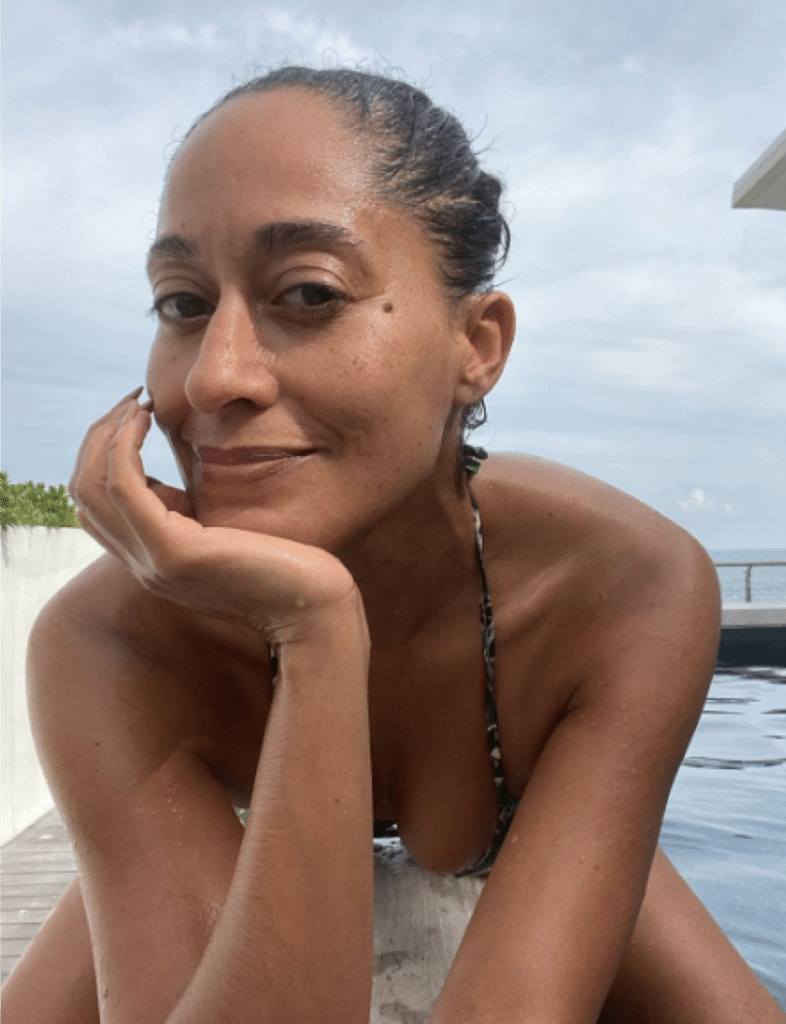
Perhaps the biggest takeaway from Ross’ conversation is that aging isn’t something to fear.
It’s something we all share.
“We’re all going in the same direction,” Ross said.
Her perspective isn’t about giving up on looking your best. It’s about redefining what “looking your best” means after 50.
Instead of chasing eternal youth, she’s choosing health, movement, strength, gratitude, and self-acceptance.
Healthy aging isn’t about trying to freeze time. It’s about protecting your skin, preserving your strength, embracing the changes that come with each decade, and building a body that allows you to keep living life on your own terms.
RELATED: Practicing Self-Love: Solo Date Ideas
✓ Wear sunscreen and care for your skin—but don’t chase perfection.
✓ Build strength, not just a smaller body. Muscle supports bone health, balance, metabolism, and independence.
✓ Focus on how your body feels, not just how it looks.
✓ Keep moving. Pilates, strength training, walking, and mobility work all support healthy aging.
✓ Let your face tell your story. Every line reflects a life you’ve lived.
✓ Remember that aging isn’t something to fear—it’s a privilege.

By subscribing, you consent to receive emails from BlackDoctor.com. You may unsubscribe at any time. Privacy Policy & Terms of Service.