Imagine a future where cancer treatment is tailored just for you. That’s the hope behind a new personalized cancer vaccine from Moderna and Merck. This vaccine could make cancer care more precise and might even help stop cancer from coming back.
The drug known as intismeran autogene is currently being investigated together with Merck’s Keytruda in cases of high-risk melanoma in which the tumors have been removed by surgery. In the Phase 3 clinical trial, the treatment achieved its main endpoint for recurrence-free survival as well as one of the key secondary endpoints, which assessed whether the cancer had spread to distant parts of the body.
This treatment is still experimental, and so far, the good news is mostly about melanoma. But researchers are already looking at how it might help with other cancers, like lung, bladder, and kidney cancer.
If you’re Black and have seen how cancer care hasn’t always been fair, you might be wondering: Will these new breakthroughs actually reach our communities, or will we be left behind again?
Let’s look at seven ways this new vaccine could change cancer care—and why these changes could matter for you and your loved ones.
Most cancer treatments are made to work for lots of people at once. But this vaccine is different—it’s designed just for you, based on your own cancer.
Intismeran works by looking at the unique mutations in your tumor. It can target up to 34 specific features of your cancer, making the treatment truly personal to you.
This is a big step toward precision medicine. Instead of a one-size-fits-all approach, your treatment could be based on the exact genetic makeup of your cancer.
“This vaccine is just one of many vaccines – some similar, others with different approaches – that will soon be delivering clinical results,” Dr. Robert Vonderheide, director of the Abramson Cancer Center at Penn Medicine and president-elect of the American Association for Cancer Research, told Newsweek. “There is every reason for excitement and hope as we enter what feels like a new stage of cancer immunotherapy.”
Personalized treatment could make a real difference for Black patients, especially since scientists are still learning about how cancer affects different groups. But just having personalized options isn’t enough—you still need access to the right tests, doctors, and treatments to actually benefit from these advances.
RELATED: A New Pancreatic Cancer Vaccine Is Being Tested — Here’s Why Representation in Research Matters
If you’ve had cancer, you know one of the biggest fears is that it might come back.
Personalized cancer vaccines aren’t just about treating what’s already there. Researchers hope these vaccines can train your immune system to spot cancer cells and keep the disease from returning.
If future studies show the same benefits in other cancers, you or someone you love might be able to stay cancer-free longer after surgery or other treatments.
This could change what life after cancer looks like for Black survivors, especially since we know there are still gaps in outcomes and follow-up care. Instead of always reacting to cancer coming back, doctors could focus more on helping you prevent it from returning in the first place.
A personalized cancer vaccine requires a significant amount of information about a patient’s tumor.
Researchers are already studying how artificial intelligence and computer algorithms can help identify tumor-specific mutations and determine which targets may be most useful for a personalized vaccine.
The process involves sequencing DNA from a patient’s tumor, comparing it with DNA from noncancerous cells and using computer algorithms to identify potential mutations that could be targeted.
As personalized medicine becomes more sophisticated, AI could therefore become a routine part of cancer care.
For Black patients, the benefits will depend partly on whether the data and technologies used to develop these tools adequately represent diverse populations. Making sure new technologies work well for everyone—not just the populations best represented in research—will be critical.
RELATED: Reimagining Cancer Vaccines: A New Era in the Fight Against Cancer
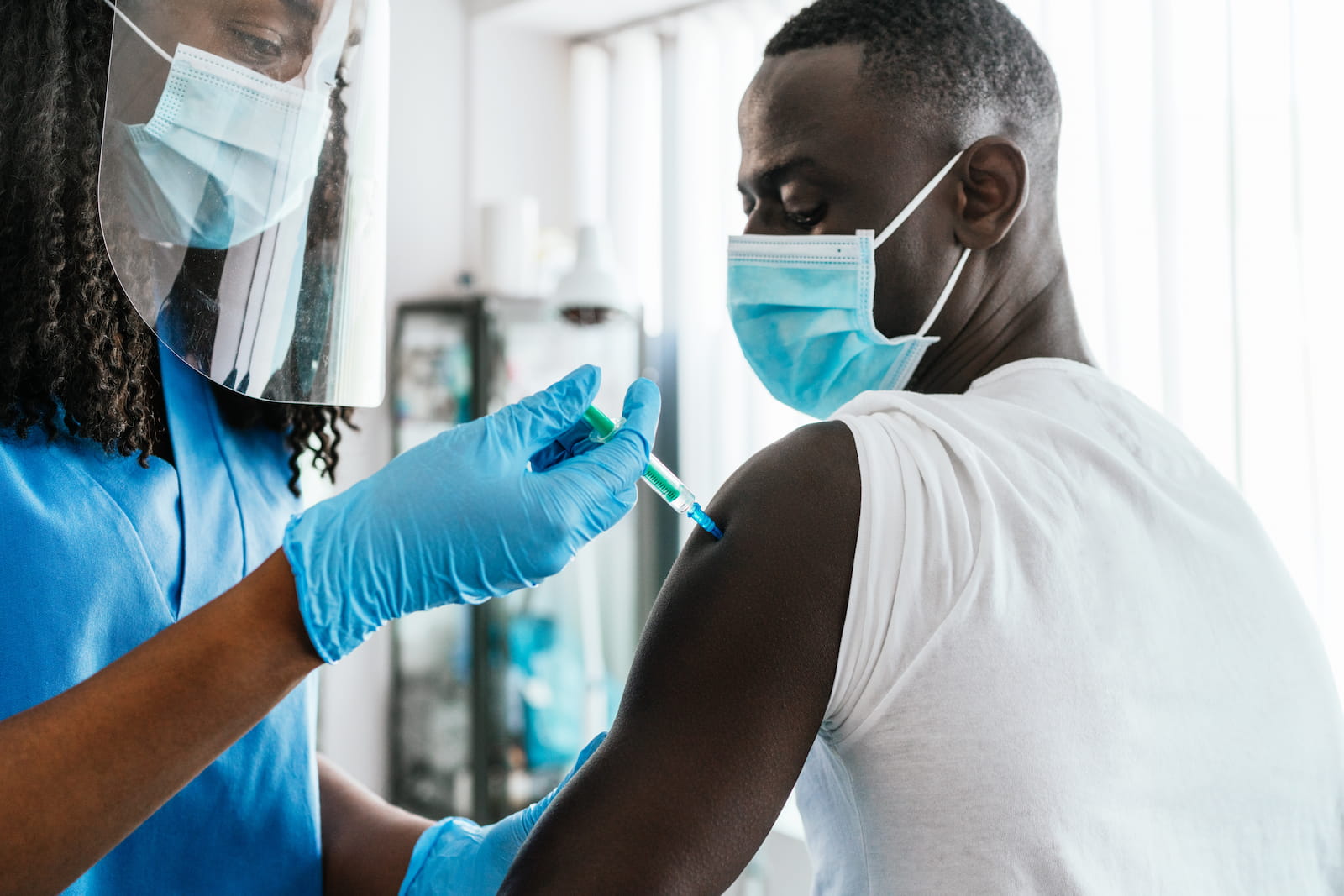
A personalized cancer vaccine is more complicated to produce than a conventional medication.
It requires tumor sequencing, specialized manufacturing and sophisticated laboratory capabilities. Currently, many institutions pioneering these therapies are major academic medical centers and specialized cancer hospitals.
That raises an important equity concern.
Black Americans live throughout the country, including in communities where access to major cancer centers and clinical trials may be limited. If personalized cancer vaccines eventually become part of standard treatment, patients’ ZIP codes could influence how quickly they can access them.
Expanding access beyond large academic medical centers will be essential if these advances are going to benefit Black communities broadly.
Cancer treatment can be expensive—not only for healthcare systems but also for patients and their families.
At first, personalized vaccines could be costly because each treatment is individually designed and manufactured. But if they successfully prevent cancer from returning, they could potentially reduce the need for additional surgeries, chemotherapy, radiation, hospitalizations and other treatments.
That could have implications for Black families who are already navigating the financial and emotional burden of cancer.
“These vaccines could avoid costs that result from expensive treatments including surgery, chemotherapy, immunotherapy, and other targeted agents,” Cathy Bradley, dean and professor at Colorado School of Public Health, told Newsweek.” In absence of the need for these more costly treatments, cancer survivors and their families can turn their attention to work or engaging in other productive activities rather than spending time on treatment, recovery, and caregiving.”
Still, it remains unclear how broadly insurers would cover personalized cancer vaccines if they reach the market. Questions about eligibility, reimbursement and out-of-pocket costs could determine who ultimately benefits.
The technology behind this cancer vaccine comes from years of mRNA research that received widespread attention during the COVID-19 pandemic.
A successful mRNA cancer treatment could therefore change the conversation around the technology.
Some people who were skeptical of COVID-19 vaccines may view mRNA differently if the same technology is used to develop potentially life-saving cancer treatments.
For Black communities, where trust in healthcare can be influenced by both historical experiences and current disparities, clear and transparent communication about how these treatments work will remain important.
The success of a cancer vaccine alone won’t resolve broader concerns about medical trust. But it could introduce mRNA technology to patients in a very different context: as a potential tool for treating and preventing cancer recurrence.
The potential impact of personalized cancer vaccines could extend far beyond melanoma.
Moderna and Merck are studying the approach in several other cancers. If those studies produce positive results, the technology could encourage greater investment in biotechnology, genetic medicine, vaccine development and AI-powered drug discovery.
That could lead to more research into treatments designed around the specific biology of an individual’s cancer.
For Black patients, the key will be making sure they are included in that future.
Clinical trials and cancer research need diverse participation so researchers can understand how new treatments perform across different populations. Greater representation can help ensure that breakthroughs in cancer care don’t leave communities that have historically experienced cancer disparities behind.
The promise of personalized cancer vaccines is exciting, but it’s important to keep the current evidence in perspective.
The treatment remains experimental. Its positive Phase 3 results so far are in high-risk melanoma, and researchers are still studying whether the approach will work in other cancers. Regulatory approval and broader availability are not guaranteed.
Still, the technology represents a potential shift in how cancer could be treated—from therapies designed for the average patient toward treatments built around the unique characteristics of an individual’s tumor.
Stay up to date on recommended cancer screenings, talk with your doctor about your personal cancer risk, and ask whether genetic testing or tumor testing may be appropriate for you. If you are diagnosed with cancer, ask your care team about clinical trials and whether you may qualify for studies evaluating personalized treatments or cancer vaccines.
You can also ask whether a comprehensive cancer center or cancer specialist is appropriate for your care and seek a second opinion when possible—particularly if you are considering an experimental treatment or clinical trial.
Access remains a major part of the equation. For Black patients, participating in clinical research and asking questions about emerging treatment options can help ensure that these advances reach the communities that have historically been underrepresented in research.
A cancer breakthrough only changes lives when patients can access it. Knowing your options, asking questions and advocating for your care can help you be part of that future.


By subscribing, you consent to receive emails from BlackDoctor.com. You may unsubscribe at any time. Privacy Policy & Terms of Service.