Some people are extra-sensitive to salt. When they cut back, their blood pressure goes down. When they overindulge, their pressure goes up. According to the Mayo Clinic, salt sensitivity is especially common among older people, Black Americans, and people with hypertension, kidney disease, or diabetes. Overall, 26 percent of Americans with normal blood pressure and 58 percent of those with hypertension are salt sensitive.
Salt sensitivity is a measure of how your blood pressure responds to salt intake. You are either salt-sensitive or salt-resistant. If you are sensitive to salt, you will be more likely to have high blood pressure than those who are resistant to salt.
Salt sensitivity is a little difficult to pinpoint on symptoms alone. However, there are many ways to measure if you are salt-sensitive or salt-resistant. If your blood pressure tends to spike after consuming salt and you are noticing fluid retention (swelling) in your body, your body may be having a hard time excreting sodium effectively. Other signs that you are salt-sensitive include increased urination and extreme thirst.
You can also tell if you are salt-sensitive by eating a low-sodium diet (about 230 mg sodium or 600 mg of table salt per day) for four days, followed by four days of a high-sodium diet (about 4.6 g sodium or 12 g of table salt per day). If your blood pressure increases by at least five percent at the end of the high-sodium period, you are salt-sensitive. If not, you are considered to be salt-resistant.
RELATED: Are You Salt Sensitive?
A study from The National Heart, Lung, and Blood Institute study suggests that salt sensitivity can be a dangerous condition — even among people who don’t have high blood pressure.
Researchers followed up on a group of 708 people who had been evaluated for salt sensitivity and hypertension 25 years ago and were surprised by their findings. Subjects who had normal blood pressure but were sensitive to salt were just as likely as subjects with hypertension to have died of heart disease.
RELATED: 10 Easy Ways To Cut Extra Salt Out Of Your Diet
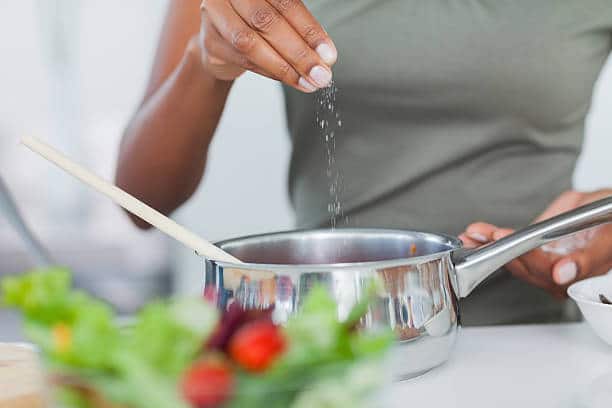
You can start by going easy on the saltshaker. It’s important to understand, however, that the average person gets 90 percent of his or her salt from other sources.
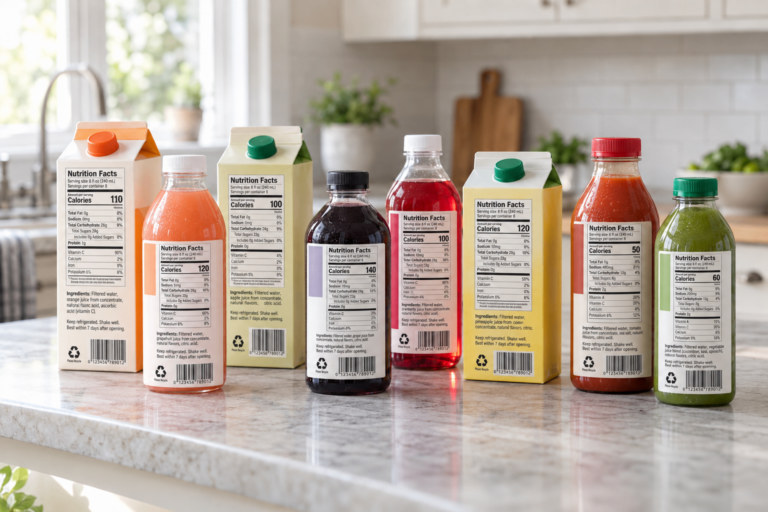
Many “convenience” foods such as frozen dinners, restaurant meals, luncheon meats, fast foods, and canned soups are extremely high in salt.
The best way to protect yourself is to prepare meals at home. If you do eat processed foods, check the labels carefully. Aim for a daily dose of less than a teaspoon, or 2,300 mg of sodium, from your food — and less is even better.
If you are salt-sensitive, you should pay more attention to dietary sodium. This will help reduce your risk of
developing high blood pressure and related cardiovascular diseases. You also should monitor your sodium intake and limit high-sodium foods while increasing high-potassium foods in your diet.
These additional practices will also help you cut back on salt:


By subscribing, you consent to receive emails from BlackDoctor.com. You may unsubscribe at any time. Privacy Policy & Terms of Service.