
Black Americans are at higher risk for eye diseases like diabetic macular edema, diabetic retinopathy and glaucoma, which can lead to vision loss and blindness unless detected early.
To help increase eye health awareness and promote early detection of eye disease, the National Eye Institute (NEI) and its National Eye Health Education Program (NEHEP) have launched Write the Vision: Make Your Plan to Protect Your Sight.
This new initiative is developed specifically for Black Americans and offers tips like the following to help protect your sight.
Because many eye diseases have no warning signs or symptoms, early detection is important for preventing vision loss and blindness. Black Americans age 40 or older should have a comprehensive dilated eye exam as part of their regular healthcare routine, as directed by their eye care professional.
We don’t just inherit the shape or color of our eyes from our parents.
We inherit their eye health, too. And, especially for Black Americans, your family tree can put you at risk for glaucoma.
Knowing if you are at risk for eye disease can help save your sight.
People with diabetes are at risk for diabetic eye disease, which often has no symptoms in its early stages.
Black Americans are at higher risk for the disease, which, if left undetected, can cause vision loss and even blindness.
Keep your diabetes under control and get a comprehensive dilated eye exam at least once a year to help protect your sight.
Sunglasses are a great fashion accessory, but their most important job is to protect your eyes from the sun’s ultraviolet rays.
When purchasing sunglasses, look for ones that block out 99 to 100 percent of both UV-A and UV-B radiation.
Our eyesight changes as we age. Some changes can be corrected with eyeglasses or better lighting.
Other changes may signal more serious threats to your vision.
There’s an easy way to know for sure: See your eye care professional.
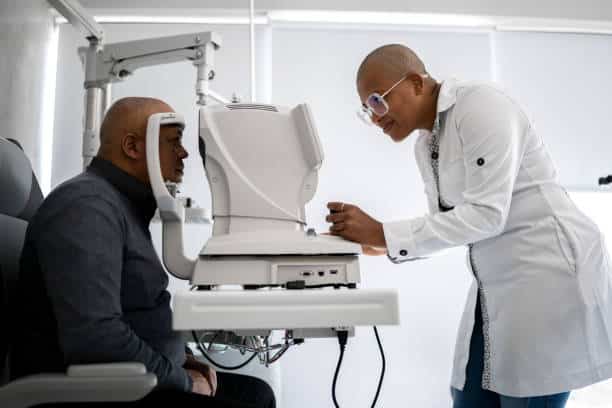
Blurry vision is a common symptom of diabetic eye disease, which includes conditions like diabetic retinopathy and diabetic macular edema. Managing your vision health is crucial to prevent permanent damage. Here are five effective ways to improve blurry vision and a guide on when to seek medical help.
Fluctuating blood sugar can cause the lens of your eye to swell, leading to blurred vision. To help:
Nutrition plays a key role in eye health. Focus on:
Physical activity helps regulate blood sugar and improve circulation, including to the eyes. Try:
If you’ve been diagnosed with diabetic macular edema or diabetic retinopathy:
Early detection is key to preserving sight. Depending on the condition’s severity, your ophthalmologist might recommend:
Contact an eye specialist immediately if you notice:
Regular check-ups (at least once a year) with an ophthalmologist are essential, even if your vision seems fine. Diabetic eye disease can progress silently.


By subscribing, you consent to receive emails from BlackDoctor.com. You may unsubscribe at any time. Privacy Policy & Terms of Service.