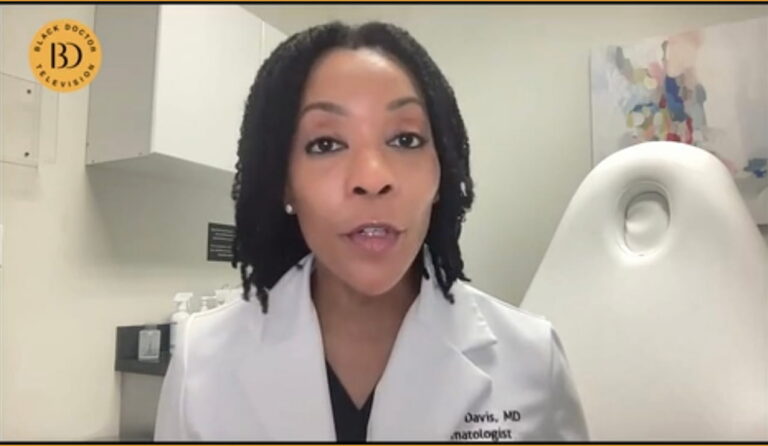
(Content sponsored by Merck)
With more time spent at home during the COVID-19 pandemic last year, many of us became do-it-yourself-ers – taking on new home improvement projects, dinner recipes, and self-care routines. But one thing we may not have tackled is our health. In 2020, many Americans delayed visits for routine medical care due to the pandemic. And for the Black community, COVID-19 compounded already existing disparities in quality care and access.
The pandemic shifted many aspects of routine medical care, including delays in important preventative health tests, like lung cancer screenings. These screenings can help detect lung cancer at an earlier stage when there is a greater chance of survival. But unfortunately, screening rates fell by more than 50% in 2020.
That’s why Merck is partnering with the lung cancer advocacy community to share an important message: when it comes to prioritizing your health, do it FOR yourself. There are some symptoms you should not ignore, like an unexplained, persistent cough lasting more than three weeks or shortness of breath. While these can be signs of other health conditions, they are also symptoms of lung cancer.
Colleen Connor Ziegler was 58 years old when she received a diagnosis of advanced lung cancer.
“I was sick for fifteen months with a persistent cough and shortness of breath that doctors misattributed to sinusitis and other health complications before I received an advanced lung cancer diagnosis in May 2015,” said Colleen Conner Ziegler, lung and breast cancer survivor and Board Director of the Lung Cancer Research Foundation. “It took a visit to the hospital after coughing up blood to receive an accurate diagnosis after a chest X-ray and CT scan revealed a mass in my lungs. That is why as a cancer community we need to educate on risks and symptoms of the disease, especially in underserved populations, because lives truly depend on it.”
If you’re at increased risk for lung cancer and experiencing possible symptoms – don’t gloss over it. Schedule a visit with your doctor today.
Prioritizing your health means listening to your body and checking in when it feels off or if you are experiencing unexplained symptoms. It also means understanding your risk for certain diseases, such as lung cancer.
While anyone can get lung cancer, Black Americans are particularly at increased risk for the disease and are also diagnosed at a higher rate than any other racial group in the country. Your risk also goes up if you are over 50 years old and:
*the above list does not include all risk factors for lung cancer.
While these are the most common risk factors of lung cancer, there are others to be aware of such as exposure to chemicals like radon and asbestos.
If you are at increased risk for lung cancer, having accurate information about early detection and routine lung cancer screenings can help you navigate your next steps. Here is what you should know:
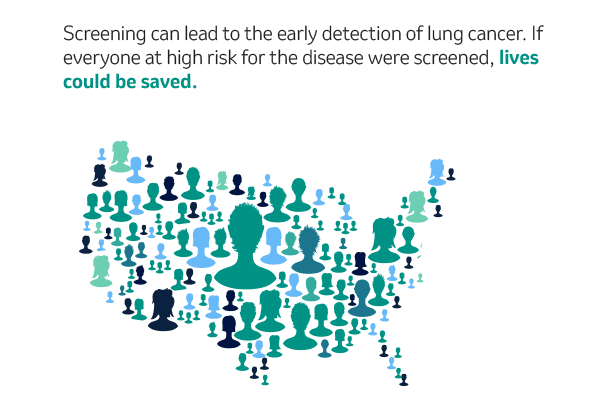
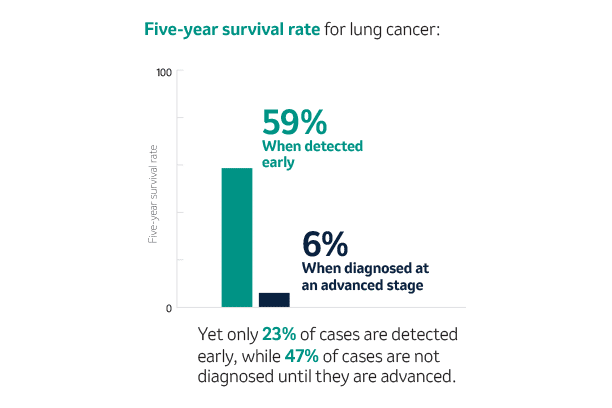
Unfortunately, Black Americans typically face worse survival outcomes than White Americans in part because they are less likely to receive an early lung cancer diagnosis, even though they are more likely to have the disease. In fact, Black men are 15% more likely to develop lung cancer than White men.
These realities underscore why it is critical to speak with a doctor if you are at increased risk for lung cancer or if you are experiencing possible symptoms of the disease.
As we start to begin to return to our regular schedules, you may still have concerns about visiting the doctor and that’s understandable. But most offices have rules in place to protect their patients. Work with your doctor to come up with a plan that’s best for you by calling ahead and asking what COVID-19 screening procedures and rules they have in place and if a loved one can be there to support you during your visit. And if you don’t have access to attend in person visits, see if your doctor offers visits virtually or over the phone.
To learn more about lung cancer, including the symptoms of the disease and factors that increase your risk, visit DIFYLung.com and Merck’s advocacy partners’ websites:


By subscribing, you consent to receive emails from BlackDoctor.com. You may unsubscribe at any time. Privacy Policy & Terms of Service.