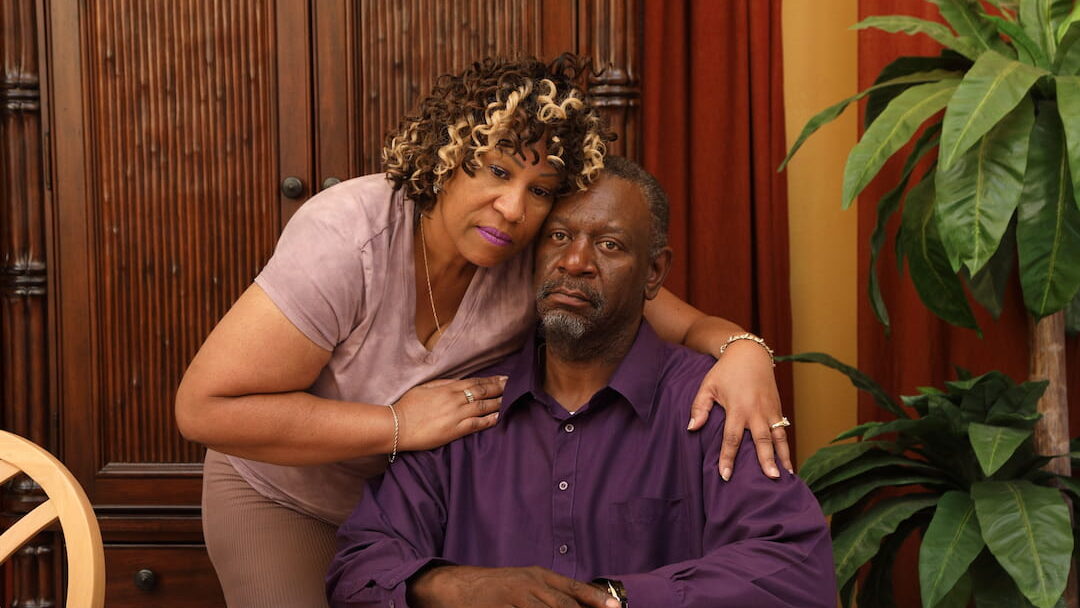
“My mom has always been forgetful.” “Dad is just getting older.” “She repeats herself sometimes, but that’s normal.” Many families dismiss early dementia symptoms because they don’t look dramatic at first. The changes often happen gradually—so gradually that loved ones adapt to them without realizing something more serious may be developing.
Many families dismiss early dementia symptoms because they don’t look dramatic at first. The changes often happen gradually—so gradually that loved ones adapt to them without realizing something more serious may be developing. For many Black families, these subtle warning signs are frequently attributed to normal aging, stress, grief, retirement, or simply “getting older.” As a result, important conversations and medical evaluations may be delayed until symptoms become more severe.
The problem is that dementia is not a normal part of aging. While some changes in memory can occur as people get older, dementia involves changes in thinking, reasoning, behavior, and daily functioning that go beyond what is considered typical aging. According to the Alzheimer’s Association, recognizing symptoms early can help individuals and families access treatment, support services, care planning, and lifestyle interventions sooner. The earlier families recognize the signs, the more options they often have.
RELATED: Why Dementia Screening Could Be Important for Black Families
When most people think about dementia, they picture someone forgetting names, appointments, or where they put their keys. While memory problems are certainly common, neurologists increasingly emphasize that some of the earliest symptoms may have little to do with memory at all. According to neurologists interviewed by Parade Magazine, early dementia can sometimes appear as personality changes, poor judgment, difficulty solving problems, withdrawal from social activities, or changes in mood and behavior.
These symptoms are easy to overlook because they often seem unrelated to brain health. A parent who suddenly becomes irritable may be assumed to be stressed. Someone who stops attending church, family gatherings, or community events may be viewed as becoming more introverted. A loved one who starts missing bill payments may simply be considered distracted. But when these changes begin affecting daily life, they deserve attention.
One commonly overlooked symptom is difficulty completing familiar tasks. A person who has cooked the same recipes for decades may suddenly struggle to follow steps. Someone who has managed household finances for years may begin making unusual mistakes. They may become confused while driving familiar routes or have difficulty following conversations they once navigated easily.
Another subtle sign involves poor judgment. Family members may notice unusual spending habits, susceptibility to scams, or decisions that seem out of character. Some individuals begin neglecting personal hygiene or household responsibilities despite having been very organized previously.
Changes in language can also occur. A loved one may frequently lose their train of thought, struggle to find common words, or repeat stories multiple times during the same conversation. The Alzheimer’s Association notes that difficulty following conversations and frequently repeating questions can be early indicators of cognitive decline.
RELATED: 5 Soul Food Recipes That Can Help Manage Dementia
This conversation is particularly important in Black communities because research shows Black Americans face a higher risk of developing dementia than many other racial and ethnic groups. According to the Centers for Disease Control and Prevention (CDC) Alzheimer’s and Dementia Resource Center, dementia affects millions of Americans, and disparities in risk and diagnosis continue to exist among different populations.
Researchers believe multiple factors contribute to these disparities. Higher rates of conditions such as:
can increase dementia risk over time. Structural inequities also play a role. Differences in healthcare access, delayed diagnosis, chronic stress exposure, and socioeconomic factors can all influence brain health outcomes. Unfortunately, some Black adults receive diagnoses later in the disease process because symptoms may be dismissed, overlooked, or attributed to normal aging. That delay can limit opportunities for early intervention and support.
For many families, discussing dementia is uncomfortable. Parents who spent decades caring for others may resist acknowledging cognitive changes. Adult children may worry about appearing disrespectful. Others fear causing embarrassment or conflict. In some families, conversations about memory loss are avoided entirely.
Instead, symptoms are joked about or minimized. A parent who forgets appointments becomes “scatterbrained.” A grandparent who repeats stories becomes “just old.” But avoidance rarely helps. Dementia does not improve simply because nobody talks about it. The earlier families begin conversations, the easier it often becomes to plan for the future.
Many experts recommend focusing on observations rather than accusations. Instead of saying, “You have dementia,” try, “I’ve noticed you’ve been having trouble remembering appointments lately.” Or say, “I’ve seen a few changes that concern me, and I think it might be worth talking with your doctor.” Approaching the conversation with curiosity rather than confrontation can reduce defensiveness.
It may also help to frame medical evaluations as routine health maintenance rather than a search for a diagnosis. After all, people regularly check their heart health, blood pressure, and vision. Brain health deserves the same attention.

If concerns arise, families should not hesitate to seek medical guidance. Important questions may include: What tests can evaluate memory and cognitive function? Could medications be contributing to these symptoms? Are there underlying health conditions affecting memory? Should we see a neurologist? What warning signs should we monitor moving forward? How often should follow-up evaluations occur?
Doctors may recommend cognitive screening tests, blood work, brain imaging, or referrals to specialists, depending on the situation. The goal is not necessarily to confirm dementia. The goal is to understand what is causing the changes. Sometimes symptoms stem from treatable conditions such as vitamin deficiencies, medication side effects, depression, sleep disorders, or thyroid problems. That is another reason early evaluation matters.
While no lifestyle habit can guarantee prevention, research suggests certain behaviors may help support long-term brain health. According to the CDC’s Alzheimer’s and Dementia resources, maintaining overall health may help reduce risk factors associated with cognitive decline.
Brain-supportive habits include regular physical activity, managing blood pressure and diabetes, prioritizing quality sleep, staying socially connected, engaging in mentally stimulating activities, eating a balanced diet rich in fruits, vegetables, and healthy fats, avoiding tobacco use, and managing stress effectively. These habits benefit more than the brain—they support overall health and quality of life as people age.
Watching a loved one experience cognitive changes can be heartbreaking. Families often cycle through confusion, frustration, grief, denial, and fear. Adult children may struggle with role reversals as they begin helping parents manage appointments, finances, or medications. Spouses may feel overwhelmed by increasing caregiving responsibilities.
That emotional burden is real. It is important for caregivers to seek support, too. Support groups, counseling, faith communities, and caregiver organizations can provide resources and encouragement during difficult transitions. No family should feel like they must navigate dementia alone.
One of the biggest misconceptions about dementia is that there is no reason to seek a diagnosis because “nothing can be done.”
In reality, early diagnosis creates opportunities. Families can plan for future care, address safety concerns, explore treatment options, access community resources, participate in support programs, and make important financial and legal decisions while their loved one can still participate fully. Knowledge may feel scary at first, but it often provides clarity. And clarity helps families move forward together.
Not every forgotten name or misplaced item signals dementia. But when memory problems are accompanied by changes in judgment, personality, communication, daily functioning, or behavior, families should pay attention. Dementia often begins quietly. The signs can be subtle. The changes can be easily explained away. But recognizing those changes early can make a significant difference.
For Black families especially, understanding dementia risk and having open conversations about cognitive health may help reduce delays in diagnosis and care. Because sometimes what looks like “just getting older” is actually your loved one asking for help in ways they may not yet know how to express. And the sooner families listen, the more prepared they can be to face the journey ahead together.


By subscribing, you consent to receive emails from BlackDoctor.com. You may unsubscribe at any time. Privacy Policy & Terms of Service.