It almost sounds too good to be true.
Could a simple 10-minute walk after eating really help manage blood sugar?
Research suggests the answer may be yes. Studies published in the peer-reviewed journal Scientific Reports have found that just 10 to 15 minutes of light movement after a meal can help reduce blood sugar spikes, improve insulin sensitivity, and support overall metabolic health.
For many Black Americans who are disproportionately affected by prediabetes and type 2 diabetes, this small daily habit could make a meaningful difference. While genetics play a role, factors such as chronic stress, environment, access to healthy foods, and other social determinants of health also contribute to the risk of diabetes.
The best part? You don’t need fancy equipment, an expensive gym membership, or a major lifestyle overhaul. Here’s what the research says about why walking after meals works—and how to make it part of your everyday routine.
Let’s dive a little deeper.
Before we understand the science-backed potential benefits of walking post-meal, it’s important to understand why continued glucose surges are such a problem in the first place.
Picture it this way: when you eat carbohydrate-rich meals, whether it’s fried chicken with mac and cheese, sweet tea, or rice and beans, your blood sugar naturally rises. However, in individuals with insulin resistance or prediabetes, the body may struggle.
According to research published in the journal Nutrients, over time, the body’s reduced ability to clear glucose from the bloodstream can damage blood vessels, increase inflammation, and make insulin less effective.
If you’re eating a Sunday dinner of fried fish with collard greens and ham hock, and it all down with sweet tea, heading straight to the couch afterward may not be the best move. In fact, sitting on the couch for hours will only keep glucose levels higher for longer. Because the muscles aren’t using the sugar, it stays in the bloodstream, putting extra stress on the pancreas and potentially leading to long-term resistance.
Fortunately, the latest research indicates that a short walk afterward can change this whole picture…
RELATED: Diabetes or Not, Here’s Why You NEED to Know Your Glucose Levels
Walking helps your muscles use glucose for energy—even without requiring as much insulin—which can help reduce blood sugar spikes after meals. Research published in the journal Scientific Reports suggests that even 10 to 15 minutes of walking after a meal can make a measurable difference.
In fact, studies indicate that a mere 10 minutes of walking shortly after a meal can significantly lower postprandial glucose when compared to staying inactive. Additionally, if you walk longer and more frequently, you can sustain these impacts on a more regular basis.
Consistency matters. For people with prediabetes, hypertension, or obesity, which are conditions that affect Black communities disproportionately, a walking habit is like four wins in one:
RELATED: 3 Ways Walking in Nature Can Sharpen Your Mind
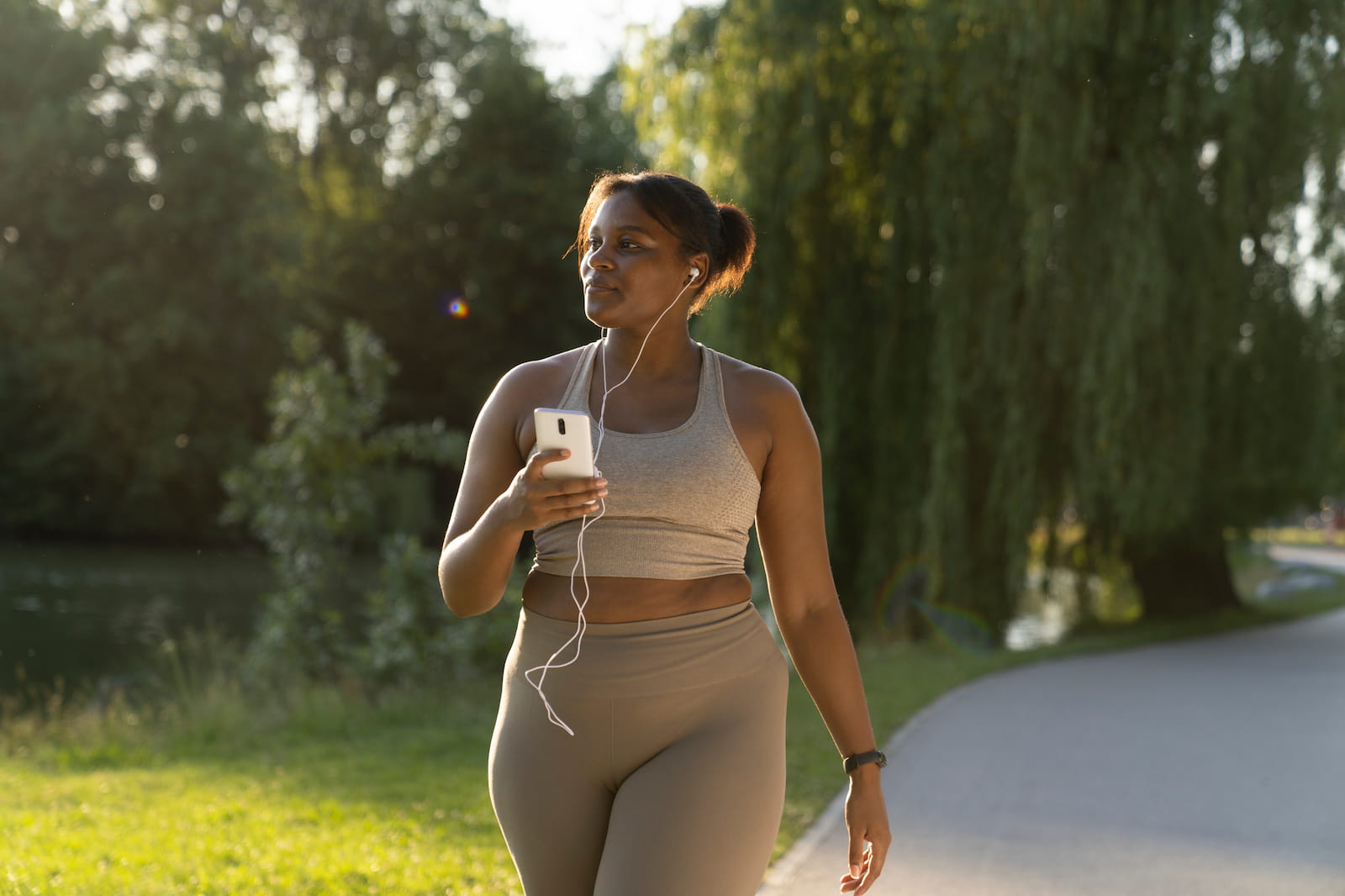
When it comes to walking, flexibility is key.
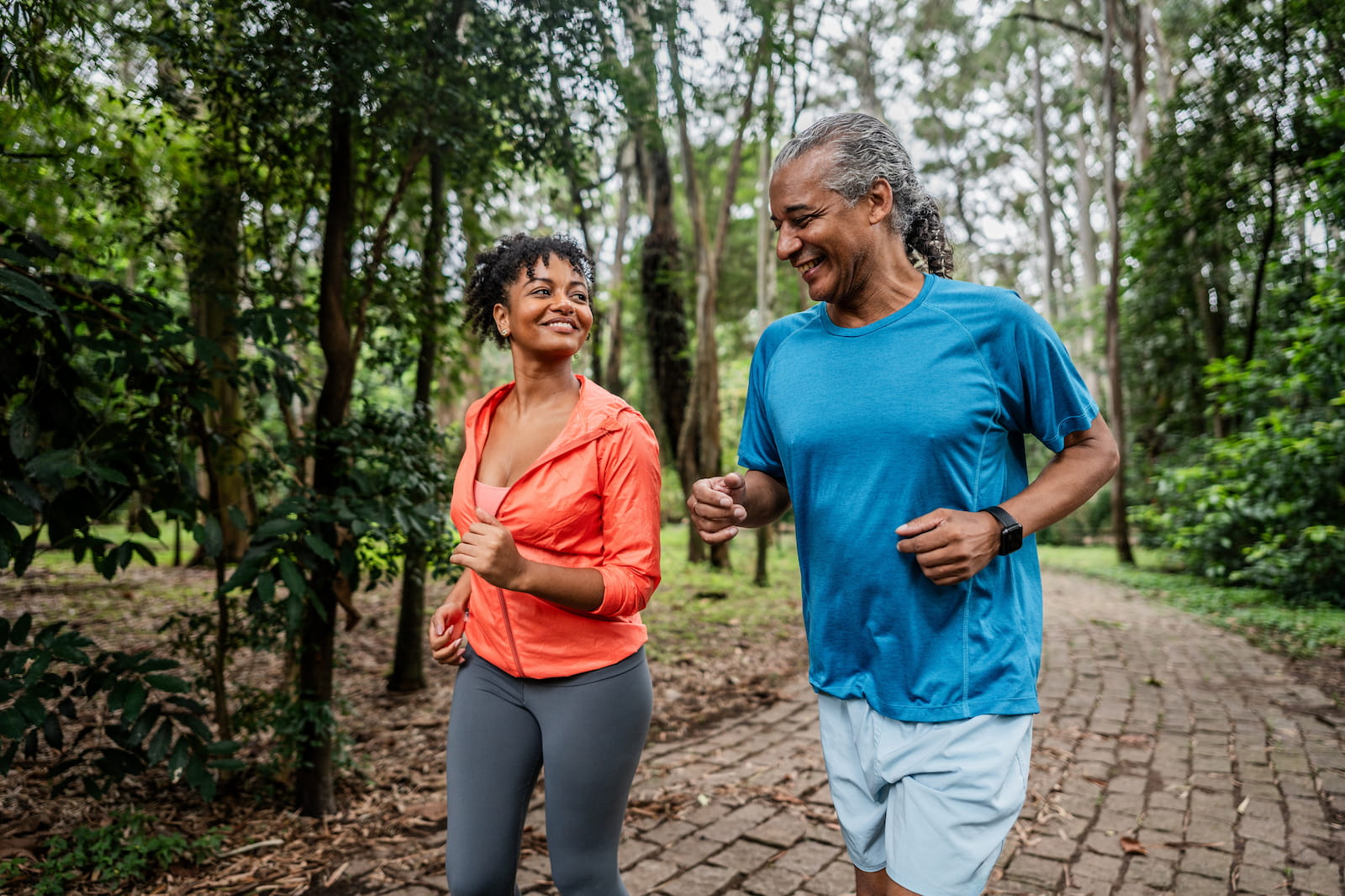
Not just the flexibility of your joints, but the flexibility of your schedule! You don’t need a gym or special shoes. All you need to get going is an easy 10-minute stroll around the block or in your apartment complex right after you finish eating.
For many people, post-dinner is the most convenient time.
Not into walking? Bring the kids or grandkids, or just generally try to make it a family time activity. If you’re moving up to the intermediate level, aim for 15 minutes at a brisker pace. Want to mix it up? Walk the dog, do laps around the church parking lot, or just stroll through the grocery store while shopping for the next meal.
Once walking becomes a habit, you can gradually increase your pace or extend your walks to 15–20 minutes if it feels comfortable. You can even add light intervals, with periods of faster walking alternated with normal pace. Hills or stairs offer more benefits, too, if you’re looking to really push fitness.
Looking for bigger gains? Some people even do bodyweight squats or marching in place if the weather doesn’t allow for outdoor activities.
Feeling busy all the time and don’t think this is feasible? For one, you can set a phone reminder for five to 10 minutes after finishing your meal, or you can link it to a habit you already have, such as making a phone call with a friend or family member.
Just make sure you have comfortable shoes near your door, and should the weather be unforgiving, walk in place while you watch TV, or do laps around your hallway.
RELATED: 3 Signs Your Walking Workout is Too Easy
Walking after meals can benefit almost anyone, but it may be especially helpful if you have:
People with high blood pressure may benefit because regular walking improves blood flow and, over time, may help support healthier blood pressure. For people who are overweight or obese, walking also burns calories and helps the body use glucose more efficiently. Research from the American Diabetes Association suggests these benefits may also be associated with reduced abdominal fat, a known risk factor for type 2 diabetes and heart disease.
Because diabetes and its complications—including kidney disease, vision loss, and amputations—disproportionately affect Black adults, small, sustainable habits like walking after meals can make a meaningful difference over time.
Turn your after-dinner walk into family time. Walk with your spouse, your kids, your grandkids, a neighbor, or someone from church. Making it social can help you stay consistent.
A walk after every meal isn’t necessary to see benefits. If three walks a day feels unrealistic, start with one—perhaps after dinner, when blood sugar often remains elevated, and many people have more flexibility.
Building a walking habit you can stick with is more important than aiming for perfection.
RELATED: Walking After a Stroke Can Boost Survival
You don’t need an expensive gym membership or a complicated workout plan to support healthier blood sugar. A simple 10- to 15-minute walk after meals can become a powerful daily habit—especially when paired with healthy eating, regular medical care, and other lifestyle changes.
Start with one walk a day and build from there. Small, consistent habits often lead to the biggest long-term results.



By subscribing, you consent to receive emails from BlackDoctor.com. You may unsubscribe at any time. Privacy Policy & Terms of Service.
Enter your name and email to receive the download link.