Marijuana may help you unwind — but using it too often could have the opposite effect on your stress response. Researchers say frequent marijuana use may be associated with higher levels of cortisol, also known as the “stress hormone.” These findings highlight why researchers continue to study how cannabis affects mental and physical health.
A study recently published in the journal Cannabis compared 39 frequent cannabis users with 43 non-users, who provided saliva samples and reported on their stress levels.
Everyone experiences a natural rise in cortisol during the first 30 minutes after waking.
While that rise was similar in both groups, frequent users had significantly higher levels the moment they opened their eyes, according to the results.
The findings do not prove cause and effect, but they suggest chronic use might negatively affect stress-response systems over time, according to the authors.
“Our research suggests cortisol levels upon awakening may serve as a neurobiological marker of problematic cannabis use, and that connection needs to be investigated further,” said lead author Anita Cservenka, an associate professor of psychological science at Oregon State University.
“Earlier studies by other researchers found cannabis awakening response to be blunted in frequent cannabis users, but we didn’t replicate that finding, which suggests there is a lot of nuance that could be related to analytic strategies and sample characteristics,” she added in a news release.
More long-term studies are needed to explore the connection, researchers said.
RELATED: A New Clinical Trial Shows Mixing Cannabis and Opioids for Knee Arthritis May Not Work as Expected
The body releases cortisol when you’re under pressure to help regulate blood pressure, blood sugar, and metabolism. But when it stays elevated too long, it can raise the risk of anxiety, depression, and heart disease. Short-term increases can be helpful, but long-term changes in stress hormones may affect health.
Researchers are now studying whether frequent marijuana use changes how the body responds to stress.
Stress doesn’t affect everyone the same. Many Black adults experience higher levels of chronic stress related to factors such as discrimination, financial strain, healthcare barriers, and unequal access to mental health resources. These stressors can influence overall health and may shape how people cope with stress. For example, chronic stress is associated with an increased risk for conditions such as high blood pressure, depression, and heart disease.
Some people may use marijuana to manage these stressors, with the substance helping lower stress levels. With this in mind, having healthcare conversations about cannabis should focus on understanding why a patient smokes rather than judgment.
People who may use marijuana to cope with anxiety, trauma, sleep issues, or emotional distress may benefit from talking with a healthcare provider. They should feel comfortable discussing cannabis use because it can affect treatment decisions. Getting mental health support — such as counseling, behavioral therapies, stress-management strategies, and other evidence-based treatments — can help you find more long-term ways to manage symptoms.
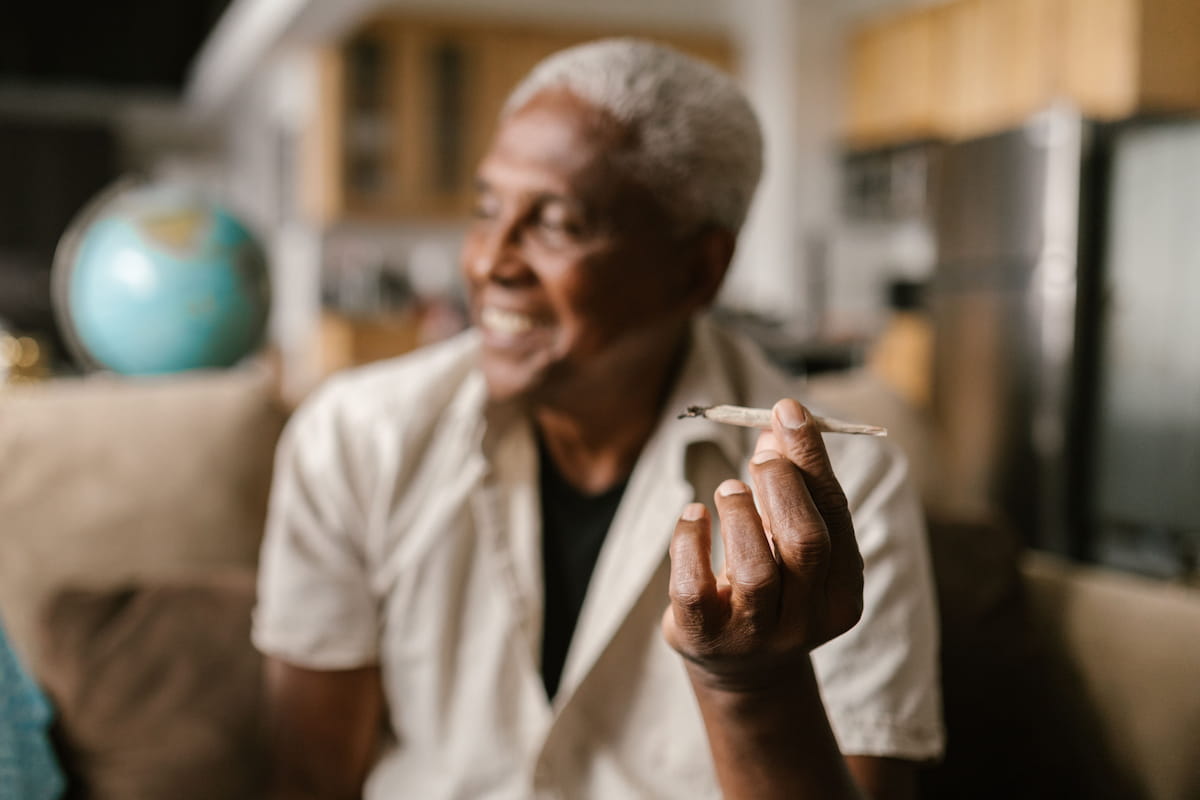
Researchers are still studying how cannabis affects stress hormones, mental health, and chronic disease risk. Clinical trials help scientists understand who may benefit from treatments and who may experience risks. Having a greater representation of Black participants in medical research is important to ensure findings apply more broadly.
RELATED: Why Black People Are Underrepresented in Clinical Trials
The latest research on frequent marijuana use and stress hormones adds another piece to the growing conversation about cannabis and health. While additional studies are needed to better understand whether frequent cannabis use directly changes stress responses, patients should feel empowered to discuss cannabis use openly with their healthcare providers.
Understanding the connection between stress, mental health, and physical health can help people make informed decisions about their care.
More information
The American Psychological Association has more on the effects of marijuana on the brain.
SOURCE: HealthDay TV, July 24, 2026


By subscribing, you consent to receive emails from BlackDoctor.com. You may unsubscribe at any time. Privacy Policy & Terms of Service.