If you have seen firsthand how mental health challenges like anxiety, depression, or post-traumatic stress disorder (PTSD) can impact one’s livelihood, whether in your own life, your child’s, or through a family member, you understand how essential it is to normalize conversations about mental health. While these discussions have become more common in recent years, there’s still significant work to be done, particularly within the Black American community and especially when it comes to Black children. A recent study conducted by The Child Mind Institute and the Steve Fund shows just how urgent this work remains.
The Mental Health Support for Black Families study is a unique study that was designed to capture the real-life experiences of Black families navigating mental health care. Conducted between July 30 and August 22, 2024, the study included both a comprehensive literature review and a nationally representative survey.
Some of the key findings included that:
Led by The Child Mind Institute and the Steve Fund, with data collected by global research firm Ipsos, the study surveyed 1,000 Black parents of children under 18 who have had concerns about their child’s emotional or behavioral well-being, and 500 Black young adults between the ages of 18 and 24. Both groups completed detailed questionnaires about their experiences seeking mental health care.
Participants were asked to share the types of care they sought, how they navigated the healthcare system, and what prevented them from receiving adequate support. To ensure the findings accurately reflect the broader U.S. Black population, the data was weighted using demographic information from the 2022 American Community Survey (ACS).
This study is groundbreaking because it addresses an area long overlooked in national discourse. It offers an intimate look at how Black families experience mental health care, revealing both systemic barriers and community-based strategies they use to cope.
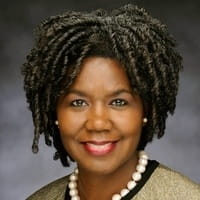
Dr. Annelle Primm, MD, MPH, a community psychiatrist and Senior Medical Director at the Steve Fund, told BDO that this research has the power to drive meaningful change. “One change that would be beneficial is to promote more collaborations between the mental health sector and faith communities. Nearly one-third of young adults and one-quarter of parents said that, rather than seek help from a mental health professional, they would prefer to seek help from their religious leader. If the faith community is a go-to for a segment of Black communities, establishing faith-mental health partnerships could facilitate access to mental health information, resources, and care, and underscore that observing one’s faith and accessing mental health services are not mutually exclusive.”
In addition to raising awareness, the findings offer a clear direction for how institutions can better support Black families’ mental health needs. Dr. Primm also highlighted how it could, “This research supports expanding mental health education efforts to include churches, mosques, community-based organizations, media outlets, and social media platforms. We also need to improve training, continuing education, and licensure requirements for mental health practitioners to ensure they can provide high-quality, culturally responsive care to Black children, youth, and young adults.”
This study opens doors to a broader, much-needed conversation and provides a clear call to action. By involving both parents and young adults, the research offers a valuable dual-generational perspective. As the mental health crisis continues to affect families across the country, this research shines a critical light on the unique challenges Black families face — and what can be done to ensure they are seen, heard, and supported.


By subscribing, you consent to receive emails from BlackDoctor.com. You may unsubscribe at any time. Privacy Policy & Terms of Service.