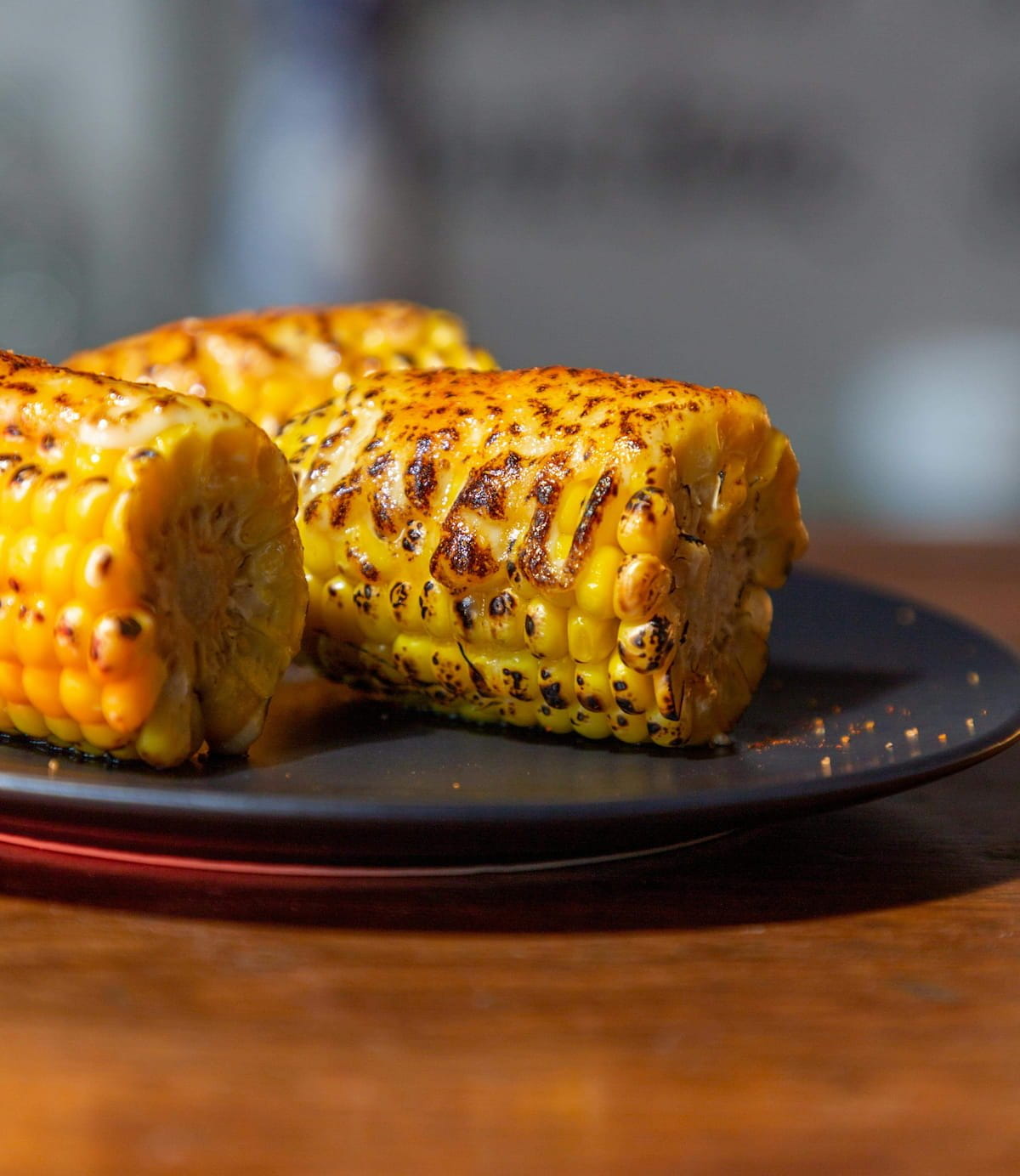
Corn is one of nature’s simplest, purest pleasures. Cooked to perfection and lightly buttered, it offers incredible, complex sweetness and an intoxicating texture.
But is it all that good for you?
RELATED: Mexican Street Corn Salad With Adobo Grilled Chicken
There are many corn myths out there that have convinced people to avoid it.
But here are some real truths about corn:
Many people confuse the vegetable they buy to eat with “field corn,” the virtually inedible commodity crop used to make everything from livestock feed to ethanol to high-fructose corn syrup. While most field corn is genetically modified, most of the corn at the grocery store is not. Last year, 3 to 4% of the sweet corn grown in the U.S. was genetically modified.
An ear of corn has about the same number of calories as an apple and less than one-fourth the sugar. In other words, it can be one of the healthier foods you eat. However, while corn by itself is healthy, some of the toppings people like to put on it aren’t. So don’t think that an ear of corn dripping in butter and covered in salt is still healthy.
READ: 7 Amazing Uses For Cornstarch
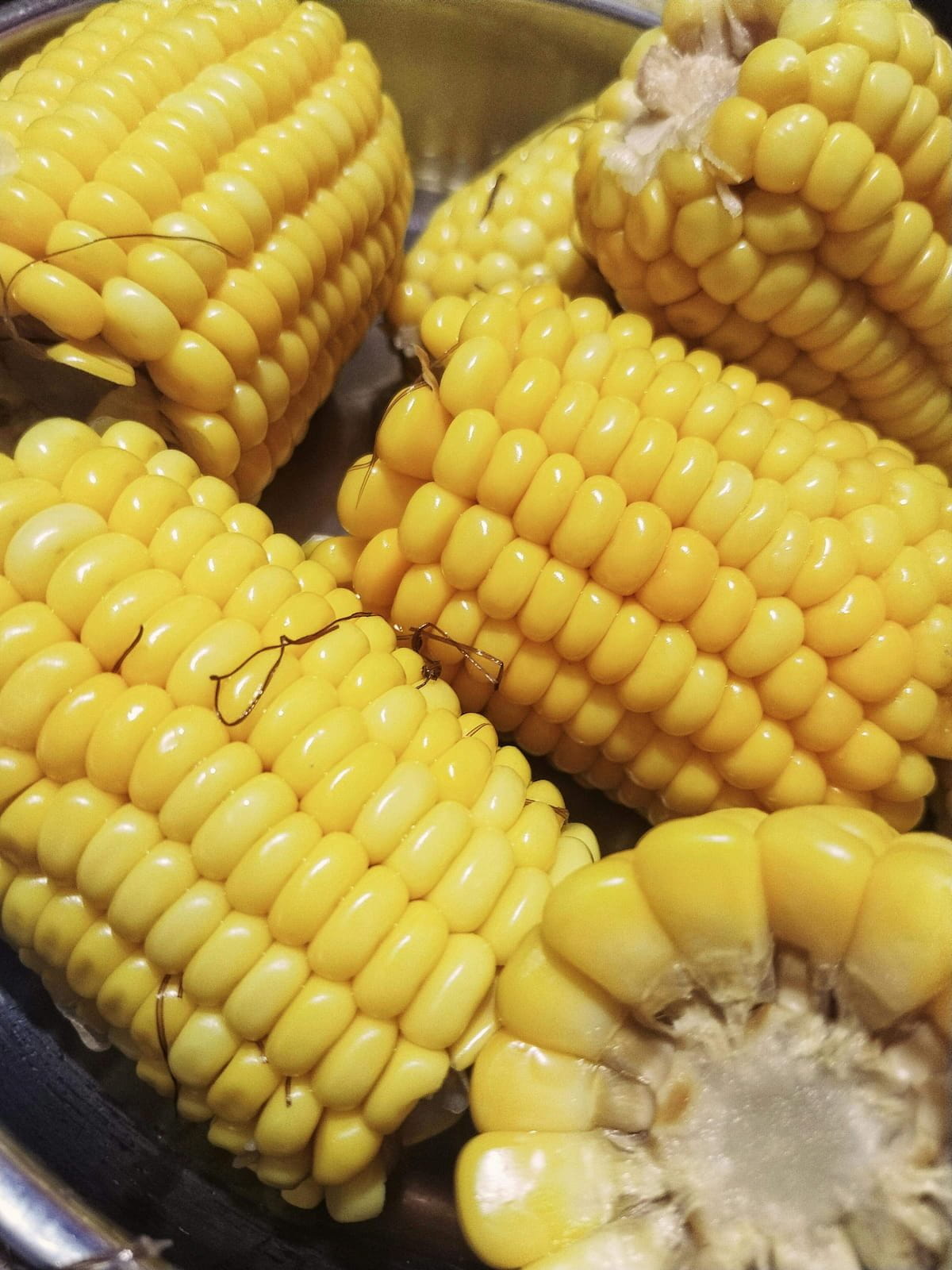
Surprisingly, the antioxidant activity of corn, which helps protect the body from cancer and heart disease, is actually increased when corn is cooked.
Sweet corn is rich in lutein and zeaxanthin, two phytochemicals that support healthy vision. A midsize ear (about 3/4 of a cup) also offers a helpful 3-gram dose of dietary fiber.
While corn lovers often have favorite varieties, most farmers agree that the variety is far less important than freshness and that color is not a key to quality.
RELATED: The Scary Truth About High Fructose Corn Syrup
Corn shopping tips: Avoid corn with dry, pale husks and silks that are excessively dry at the point where they enter the cob. If pricked, kernels should squirt whitish juice. As for choosing the best-tasting corn, don’t buy a cob that’s more than 24 hours out of the field (feel free to ask your grocer how fresh the corn in the produce section is). If you’re buying frozen or canned corn, these rules don’t apply, since, in general, corn is frozen or canned at the very peak of freshness.
At the end of the day, corn is far more than just a summer barbecue staple or a misunderstood starch. When you strip away the myths, you’re left with a nutrient-dense whole grain that supports your heart, your eyes, and your digestion.
While the “field corn” used in processed syrups often gives the crop a bad reputation, the fresh sweet corn found in your local produce aisle is a natural powerhouse. By choosing fresh ears and being mindful of heavy toppings, you can enjoy this seasonal favorite as a guilt-free addition to a balanced diet. So, the next time you see those vibrant green husks at the market, grab a few—your body (and your taste buds) will thank you.


By subscribing, you consent to receive emails from BlackDoctor.com. You may unsubscribe at any time. Privacy Policy & Terms of Service.