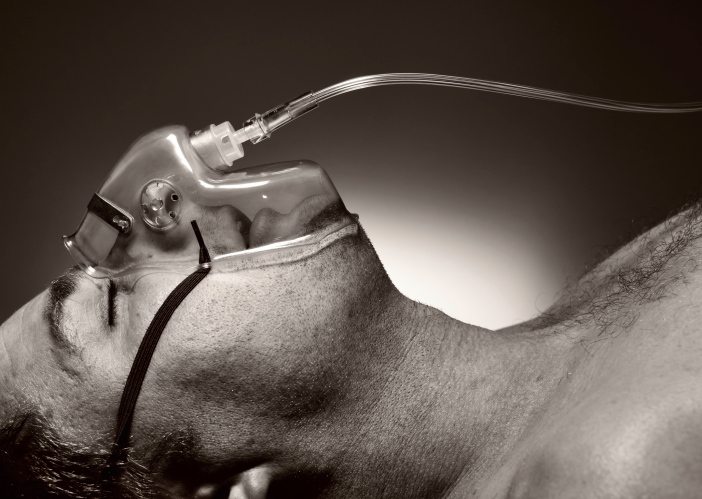
Is anesthesia dangerous? It’s already a question that anyone about to have surgery worries about.
Anesthesia comes in three main types. Local anesthesia, the mildest form, merely numbs a very small area, such as a single tooth. Regional anesthesia desensitizes a large section of someone’s body by injecting drugs into the spine that block nerve signals to the brain. Often a patient getting regional anesthesia also takes a relatively small dose of a powerful sedative drug, such as propofol—not enough to put them under but enough to alter brain activity in a way that makes the person less aware and responsive.
It is very common for it to take a 1-2 days to feel normal and coherent after anesthesia has been administered. But now, experts aren’t sure if this is caused by the surgery, or the anesthesia. A new study performed on mice showed that general anesthesia may negatively affect the brain cells that are responsible for memory and learning.
How To Prevent Anesthesia Side Effects:
“Research shows that if you’re exposed to these agents during the time neurons are growing, it disrupts their development,” said Jeffrey Silverstein, MD, professor of anesthesiology, Surgery and Geriatrics and Palliative Medicine at the Icahn School of Medicine at Mount Sinai in New York City. “But this is the first paper indicating that this happens in adults.”


By subscribing, you consent to receive emails from BlackDoctor.com. You may unsubscribe at any time. Privacy Policy & Terms of Service.