According to new data from the American Cancer Society, lung cancer incidence in women under 65 has now surpassed that of men in the same age group. Additionally, lung cancer remains the leading cause of cancer-related deaths in the U.S.
More than 84 percent of women and 90 percent of men diagnosed with lung cancer are current or former smokers. However, cases in non-smokers are rising, the American Cancer Society notes.
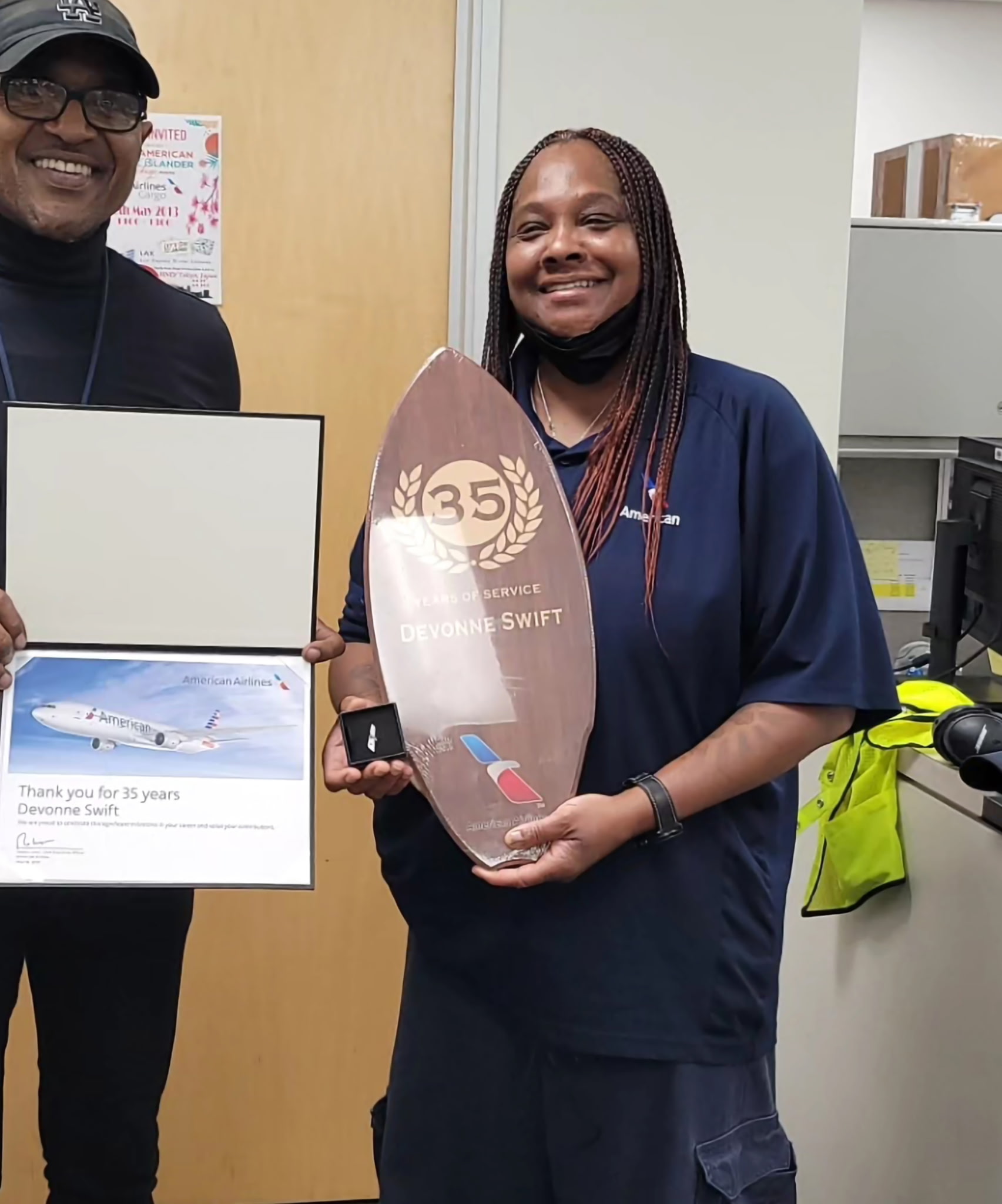
While lung cancer is often linked to smoking, Devonne’s diagnosis came as a complete shock—she had never smoked a day in her life. Yet, she found herself navigating an unexpected and life-altering journey.
According to new data from the American Cancer Society, lung cancer incidence in women younger than 65 has surpassed the rates it appears in men. Additionally, lung cancer is ranked as the number one cancer killer in the U.S.
RELATED: 10 Common Factors Increasing Your Risk for Lung Cancer
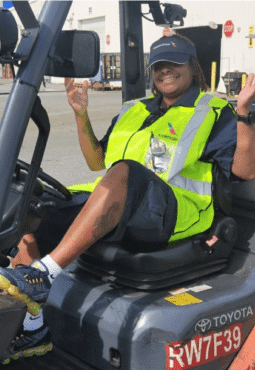
Devonne’s story began with something seemingly minor—a persistent cough.
“Honestly, I didn’t feel like anything was wrong at the time. I had a persistent cough, and I was just ignoring it. It was just a cough to me,” Devonne tells BlackDoctor.org.
It wasn’t until a concerned friend stepped in that Devonne sought medical attention.
“A friend of mine noticed and was like, ‘It’s been well over a week. I’m coming to pick you up and taking you to the hospital.’ If it wasn’t for her, I wouldn’t be in the position I am now, and I’m grateful to her,” Devonne adds.
At the hospital, doctors diagnosed Devonne with pneumonia, but an X-ray revealed something more concerning—a spot on her lung.
“When I saw my primary doctor, he prescribed a steroid. But when I went back after finishing the medication, the spot on my lung wasn’t shrinking. That concerned him, so he referred me to a specialist at the City of Hope. That’s where my journey really started,” Devonne shares.
This discovery set off a chain of medical evaluations that ultimately led to her lung cancer diagnosis.
“At City of Hope, I met with a specialist, and that’s when things started to become clearer. They wanted to do a robotic-assisted biopsy to get a better look at what was going on,” Devonne says.

Devonne was stunned when her doctors mentioned lung cancer as a possibility.
“When the oncologist mentioned that cancer was a possibility, I was in complete shock,” Devonne admits. “I was like, ‘Wait… me? Cancer? Especially lung cancer?’”
Like many people, Devonne had always associated lung cancer with smoking.
“They explained that while lung cancer is often associated with smoking, there are cases like mine where it develops without that risk factor. It was a lot to process,” Devonne notes.
Jae Kim, M.D., associate professor and chief of the Division of Thoracic Surgery at City of Hope, who treated Devonne, emphasizes that while lung cancer is most common in older individuals, there has been a troubling increase in cases among younger non-smokers, especially women.
“The reasons for this are not entirely clear,” Dr. Kim explains. “About 20 percent of lung cancers in the U.S. occur in women who’ve never smoked, while for men, it’s only about 10 percent. Factors like air pollution, genetic predisposition, and secondhand smoke exposure could all play a role.”
Fortunately, Devonne’s cancer was caught at an early stage—a crucial factor in her survival.
“If I had not gone in when I did, who knows what stage it would have been at? A lot of times, people don’t get diagnosed until it’s stage 4,” Devonne notes.
RELATED: Day 1: Just Diagnosed with Lung Cancer
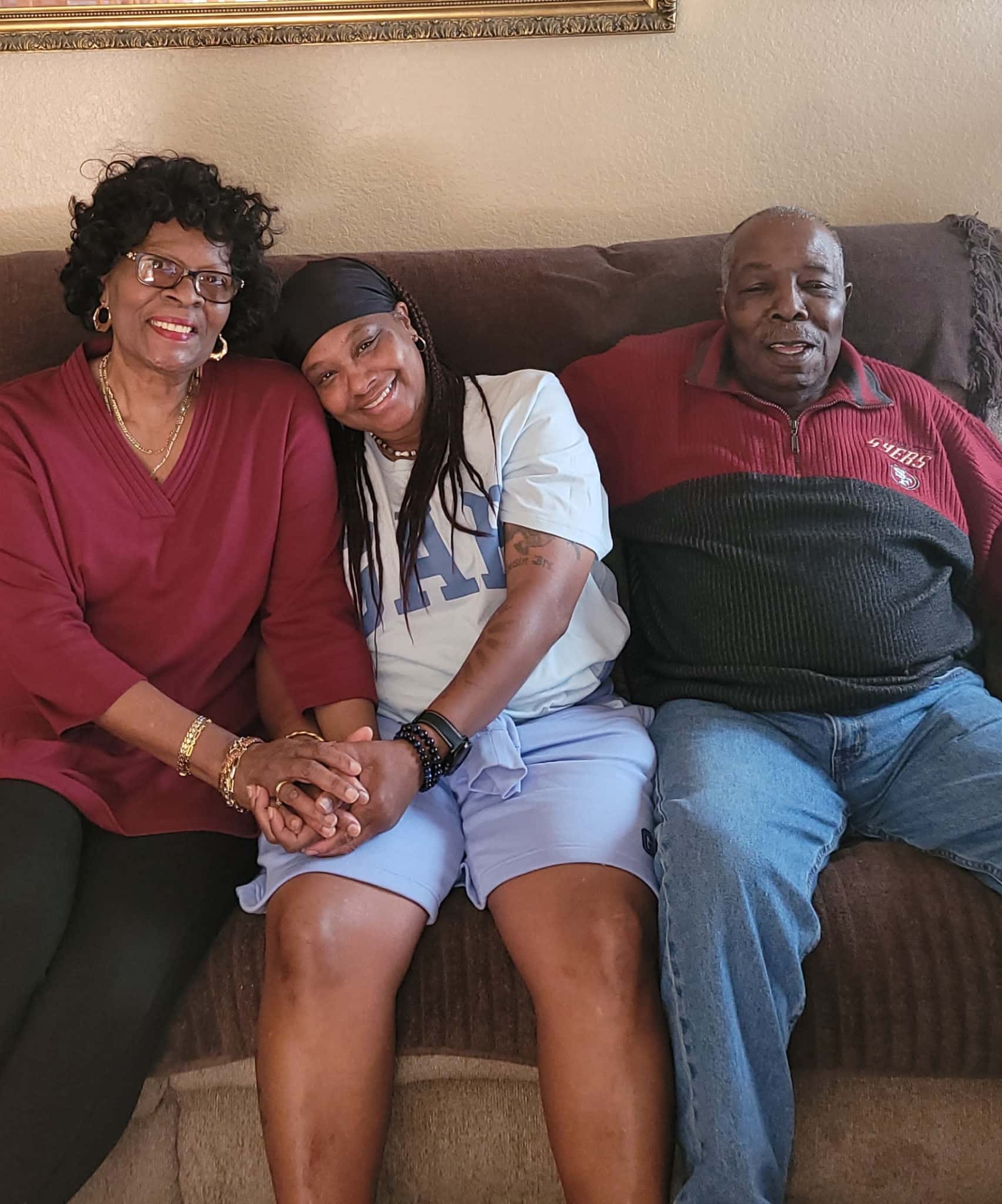
Devonne underwent a robotic-assisted surgical procedure to remove the cancerous tissue.
“Anytime you hear the word ‘surgery,’ it’s scary,” she admits. “But this was robotic-assisted, which was much less invasive. There was a small camera that went in, and they could see exactly where the problem was.”
“Her tumor was in a location that was relatively difficult to biopsy using traditional methods. We used a robotic bronchoscopy, where a small, flexible camera—about the width of a pen—is inserted through the mouth. This allows us to precisely locate and biopsy the tumor without puncturing the lung from the outside, significantly reducing risks,” Dr. Kim says.
Robotic surgery also made Devonne’s recovery much smoother.
“Most of our lung surgeries are now robotic,” Dr. Kim adds. “It allows us to make small incisions, avoiding the need to break or spread the ribs. This speeds up recovery, reduces pain, and helps patients return to their normal lives faster.”
For Devonne, that meant going home just a few days after surgery and starting chemotherapy soon after.
“I was in the hospital for maybe two or three days. Everything went well. I honestly didn’t even need any pain medication afterward,” she shares.
Her chemotherapy experience, while challenging, was made easier by the compassionate medical team at City of Hope.
“The oncologist team walked me through every step. They answered every question I had. The nurses were amazing—they made sure I was comfortable, provided snacks, and checked on me throughout the process,” Devonne says.
Despite the challenges, Devonne felt supported every step of the way.
“I was scared at first, not knowing what to expect. But they treated me like family. That made all the difference,” Devonne adds.

Today, Devonne is cancer-free and passionate about spreading awareness.
“I’m living my life, doing everything I did before. But now, I tell my story because I know how important early detection is,” she says.
She hopes to break the misconception that lung cancer only affects smokers.
“People think, ‘Oh, I don’t smoke, so I won’t get lung cancer.’ That’s not true. I never smoked, and yet I got it. You just never know,” Devonne adds.
Dr. Kim echoes the importance of early detection, noting that lung cancer screening is underutilized.
“Less than 10 percent of eligible people actually get screened for lung cancer,” he says. “That’s far lower than screening rates for breast or colon cancer. We need to increase awareness and encourage people to take advantage of screening, especially those with risk factors like a history of smoking or exposure to pollutants.”
Devonne’s message is clear: get your regular checkups.
“Don’t ignore the signs. Early detection saved my life, and it could save yours too,” she warns.
Even after beating cancer, Devonne understands that ongoing monitoring is key.
“I go in for checkups every six months. I’ve been cancer-free for three years now, and I plan to stay that way,” she says.
According to Dr. Kim, long-term follow-up is important for lung cancer survivors.
“Patients who’ve had lung cancer, even if they never smoked, are at a higher risk of developing a second lung cancer later on. That’s why we follow them with annual CT scans for life. It’s similar to how breast cancer survivors continue to get screened,” he notes.
Throughout her journey, Devonne leaned on her medical team for guidance and support.
“Dr. Kim is amazing. The entire team at City of Hope—they treated me like family. That made all the difference,” she shares.
For patients like Devonne, a multidisciplinary approach is an essential part of lung cancer treatment.
“Lung cancer care requires a team,” Dr. Kim says. “We have surgeons, oncologists, radiation specialists, and pathologists all working together. This allows us to personalize treatment, offer the latest therapies, and give patients the best chance at survival while maintaining quality of life.”
Looking back on her journey, Devonne is filled with gratitude—for her friend who insisted she get checked, for the doctors and nurses who guided her through treatment, and for the second chance at life.
“I never thought I would get cancer. But I’m here today because I caught it early. I know people who weren’t so lucky. So please, don’t wait. Your health is too important,” she says.
Devonne’s story is a powerful reminder that cancer can happen to anyone—but with awareness, early detection, and the right medical care, survival is possible.
“Anyone with lungs can get lung cancer. If you have symptoms like a persistent cough, chest pain, or shortness of breath—don’t ignore them. And if you’re eligible for screening, get screened. Lung cancer caught early can be cured,” Dr. Kim concludes.


By subscribing, you consent to receive emails from BlackDoctor.com. You may unsubscribe at any time. Privacy Policy & Terms of Service.