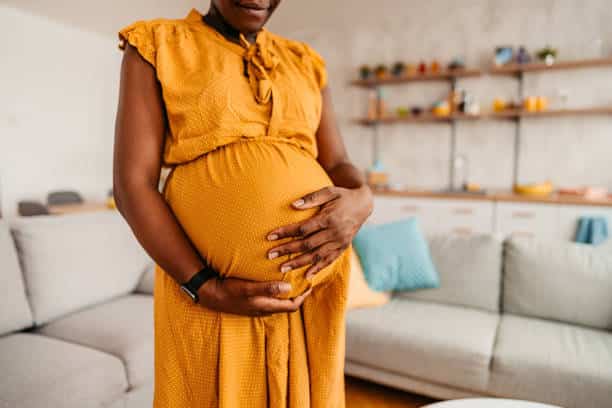
Non-hospital births have gradually increased. Birth reports a 77 percent rise in non-hospital births from 2004 to 2017. Pregnant women laboring in inflatable pools in their living rooms, surrounded by family, midwives, and doulas, are all over social media. Another trend, freebirth, is also growing.
Freebirth is unaided. In a freebirth, no medical staff is present throughout labor and delivery, unlike standard home births when a midwife is there to monitor the birth and notice any changes that might harm the mother or child.
Why is it on the rise? Due to birth trauma, institutional racism, the Black maternal health crisis, or the likelihood of problems from many delivery procedures, hospital deliveries may induce anxiety for many pregnant women. Others wish to avoid hospital deliveries but can’t afford a doctor.
“Mostly well-researched and educated women who are frustrated by not being seen and heard by their care providers but do not have the financial resources to hire an out-of-network care provider who can spend proper time with them or support the type of birth they desire,” says Claris Health CEO and labor and postpartum doula Talitha Phillips.
Given these circumstances and the dread of giving birth in a hospital during a worldwide epidemic like COVID-19, unaided births are expected to skyrocket. However, it’s crucial to recognize the hazards and take precautions for parent and child health.
RELATED: 3 Tips To Prep Your Mind & Body For Childbirth
Due to the danger to the infant and mother, the American Academy of Pediatrics does not encourage home deliveries, aided or unassisted. Even in healthy pregnancies, labor and delivery may be challenging. In May 2020, it amended rules to recognize that many would choose in-home delivery notwithstanding suggestions.
“We acknowledge that women have varied reasons for planning a home birth, such as cultural or religious beliefs—and right now, worries about the coronavirus epidemic,” says Kristi L. Watterberg, M.D., FAAP, lead author of the AAP policy statement announcing the amended guidelines.
Hemorrhage, breech placement, shoulder dystocia, umbilical cord issues, and a baby not breathing at birth are labor and delivery issues. They’re rare yet deadly. Unassisted delivery might be dangerous if issues emerge and support isn’t nearby.
Doulas frequently avoid planned freebirths owing to the hazards to both parent and child. Licensed doulas advocate for and assist laboring women in hospital and home births. A doula may help identify risk factors and impending difficulties in an unassisted delivery.
The AAP also cites evidence that home-based delivery has doubled or tripled infant mortality in the U.S. Dan Brennan, a Santa Barbara-based board-certified pediatrician, says that although the pandemic has affected some people’s hospital birth plans, safety is still paramount.
“Even with coronavirus, groups like the AAP still believe that hospitals and certified birth centers remain the safest venues for U.S. deliveries,” says Dr. Brennan. “More parents are considering delivery choices amid coronavirus outbreaks. Medical resources may become scarce in certain locations. Consider how long first responders may arrive if a baby is delivered at home and needs rapid medical assistance.”
If you’re not at a hospital or birthing center, aid may not arrive in time if you or your baby need it.
In every state, pregnant women may give birth without medical assistance. Unassisted delivery is risky, according to many birth specialists.
After home-birthing stillborn infants, moms have been charged with murder. Most of these incidents are considered government overreach and controlling pregnant people’s bodies. Yet, they nevertheless matter when choosing where to give birth.
RELATED: Childbearing While Black: Changing the Narrative for Black Maternal Health
Despite the concerns, pregnant women may take precautions to make their home birth as safe as possible for both mom and baby. Dr. Brennan states that the AAP or ACOG does not recommend planned home birth. “They acknowledge that women may choose home delivery. The AAP and ACOG recommend that midwives be American Midwifery Certification Board-certified and fulfill the International Confederation of Midwives Global Standards for Midwifery Education.”
Instead of giving birth an hour from a hospital, arranging your delivery close to a hospital so that aid is available if issues emerge is a crucial first step. Preparing for an unassisted delivery should include neonatal resuscitation lessons.
Pregnant women must see a doctor to be safe. Understanding labor’s phases, symptoms, and signs is crucial. Preparing for an unassisted delivery requires understanding how the body operates during labor. Online research and education materials are vital. A nurse-midwife or O.B. may provide prenatal care even with an unassisted delivery.


By subscribing, you consent to receive emails from BlackDoctor.com. You may unsubscribe at any time. Privacy Policy & Terms of Service.