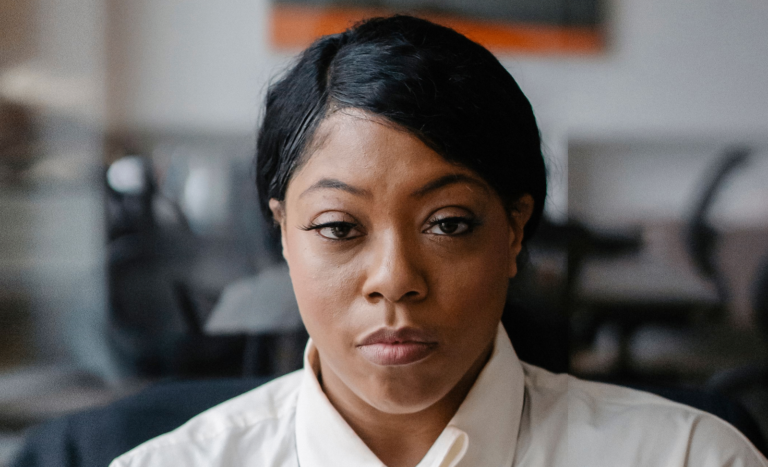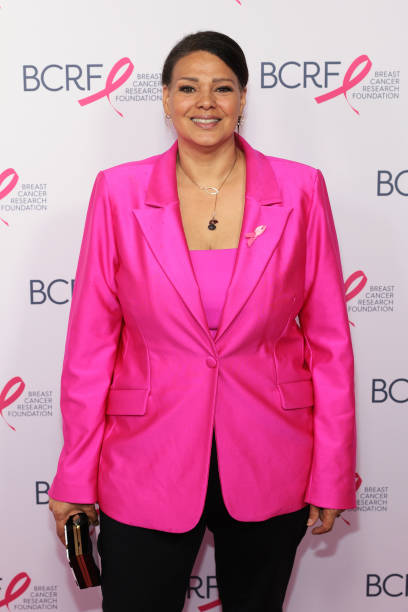
CNN anchor Sara Sidner is taking a significant step in her battle against breast cancer.
At 51, Sidner was diagnosed with stage 3 breast cancer in October 2023 and has been undergoing treatment since then. Despite five months of chemotherapy, she has not yet achieved a cancer-free status. In a courageous move, Sidner announced on CNN’s May 21 broadcast that she would be undergoing a double mastectomy on May 22 to improve her chances of survival.
“A 2016 study found that the 10-year survival rate for a bilateral mastectomy is 90.3%,” Sidner shared. “I like those odds, so I am going under the knife tomorrow and will be out recovering for a few weeks.”
Sidner’s announcement marks the next phase in her journey to become cancer-free. While she did not specify when she would return to the CNN anchor desk, she acknowledged the need for a period of recovery. Kate Bolduan and John Berman, who have co-anchored CNN News Central since April 2023, will fill in for her during her absence.
Reflecting on her diagnosis in an interview with PEOPLE in January, Sidner recalled the initial shock and emotional processing she underwent. After spending a few days alone to grapple with feelings of helplessness, she resolved to fight the disease with every available resource.
“I just made a decision. I’m like, ‘No, you’re going to live and you’re going to stop this and you’re going to do every single thing in your arsenal to survive this. Period.’ And I have been so much happier in my life since … I mean happier than I was before cancer,” she said.
Despite undergoing chemotherapy, Sidner has continued to fulfill work commitments and attend events, although she has noticed a decline in her energy levels. “I am fatigued and I am slower, and I have to be more thoughtful about how I take care of myself,” she admitted.
Sidner’s decision to publicly share her journey aims to encourage others to stay vigilant about their health. She hopes her story will inspire women to perform regular self-checks and seek medical attention promptly. She emphasizes that one in eight women will develop breast cancer in their lifetime, a statistic that underscores the importance of early detection.
“I don’t put my personal stuff out there that often, but I can do something for someone because I have cancer. I can warn somebody,” she said. “To all my sisters, Black, White, and Brown: Please, for the love of God, do your checks yourself. … Don’t play with this, just please try to catch it before I did.”
According to the American Cancer Society, Black women in the U.S. have a four percent lower incidence rate of breast cancer compared with white women but are still more likely to die from the disease. Since 2019, breast cancer has been the primary cause of
cancer-related deaths in Black women.
Economic, social, geographic, and lifestyle factors may partially contribute to the disparity in breast cancer rates and outcomes among Black women.
Black women are less likely to breastfeed after giving birth and have a higher likelihood of having diabetes, heart disease, and obesity — all of which are risk factors for breast cancer, according to the Breast Cancer Research Foundation. Black women are also more likely to have inadequate health insurance or access to healthcare facilities, which could compromise therapy completion, follow-up care, and screening.
Additionally, Black women are more likely to be affected by aggressive subtypes like triple-negative breast cancer and inflammatory breast cancer and get diagnosed at younger ages and more advanced stages of the disease.
A double mastectomy, also known as bilateral mastectomy, involves the surgical removal of both breasts, typically to treat or prevent breast cancer. Here’s what to expect before, during, and after the procedure:
Before Surgery:
During Surgery:
After Surgery:
Recovering from a double mastectomy involves physical and emotional healing. Here are some tips to aid in a smoother recovery:
1. Pain Management:
2. Care for Surgical Sites:
3. Rest and Activity:
4. Nutrition and Hydration:
5. Emotional Support:
6. Follow-up Appointments:
7. Scar Management:
Recovering from a double mastectomy is a significant process that requires patience and care. Each person’s journey is unique, and it’s important to listen to your body and seek help when needed.


By subscribing, you consent to receive emails from BlackDoctor.com. You may unsubscribe at any time. Privacy Policy & Terms of Service.