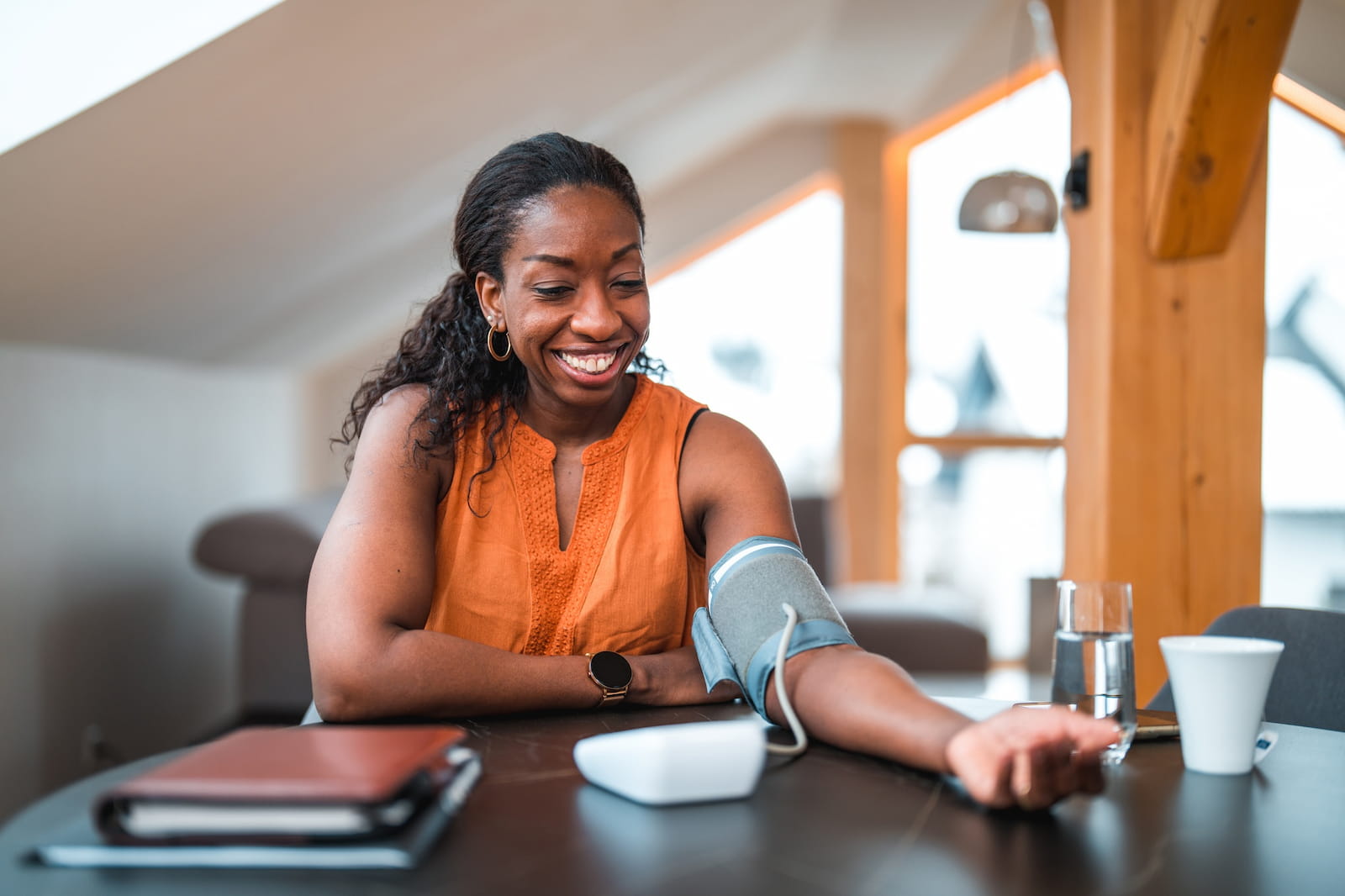
A blood pressure reading is only one piece of the puzzle. Keeping hypertension under control often requires ongoing support, access to medication, and a treatment plan that works in real life. Researchers at Wake Forest University are testing whether a personalized, virtual approach can help Black patients overcome barriers to hypertension management.
High blood pressure is often called a silent killer because it can damage the heart, blood vessels, and brain without causing noticeable symptoms. For Black Americans, the stakes are particularly high. Black adults experience higher rates of hypertension and are more likely to experience a first stroke than their white counterparts.
Researchers are now investigating whether combining at-home blood pressure monitoring, medication management, and virtual self-management support can improve hypertension care. The clinical trial comes amid ongoing efforts to address racial disparities in cardiovascular health.
According to the Centers for Disease Control and Prevention (CDC), approximately 60 percent of non-Hispanic Black adults have high blood pressure, compared with 45 percent of non-Hispanic white adults.
The disparity extends beyond diagnosis. Among adults for whom blood pressure medication is recommended, just 32 percent of non-Hispanic Black adults have their blood pressure under control, compared with 40 percent of non-Hispanic white adults.
The consequences can be serious. Black adults have nearly twice the risk of experiencing a first stroke compared with white adults and experience the highest rates of stroke-related death among racial and ethnic groups, according to the CDC.
These differences reflect a complex combination of factors, including healthcare access, socioeconomic conditions, chronic stress, and opportunities for consistent preventive care. They are not simply a matter of individual behavior.
Nationally, the CDC also reports that nearly half of U.S. adults have hypertension, defined as a systolic blood pressure of at least 130 mmHg, a diastolic pressure of at least 80 mmHg, or taking medication for the condition. Yet only about one in four adults with hypertension has their blood pressure under control.
RELATED: This Clinical Trial Offers New Hope for Uncontrolled High Blood Pressure
The study aims to enroll approximately 60 Black adults experiencing social disadvantage and uncontrolled hypertension.
Participants must have a systolic blood pressure of at least 140 mmHg at their two most recent clinic visits, along with a baseline systolic reading above 130 mmHg. They must also have been taking stable blood pressure medication for at least six weeks.
Researchers will compare a telemedicine-based hypertension management intervention with usual care.
The personalized intervention includes three primary components:

Researchers want to know more than whether participants’ blood pressure numbers improve. They’re also looking at whether patients can realistically keep up with home monitoring, participate in virtual support sessions, and take their medications as prescribed.
Just as importantly, do patients find the program helpful and easy to navigate? And what would healthcare teams need to make it work beyond the study?
Those details matter because even a promising approach can fall short if patients face barriers like limited internet access, difficulty using technology, medication costs, or competing demands at home.
A related Wake Forest pilot study, published in 2025, offers some encouraging early insight. Of the 20 participants enrolled, 17 were Black, and 18 completed the study. Participants checked their blood pressure an average of 9.4 times a week, exceeding researchers’ expectations.
The findings suggested that a team-based telemedicine approach was feasible, although researchers also identified areas where participants needed additional support.
The new trial builds on those findings. Whether this more personalized approach can actually improve blood pressure control compared with usual care, however, remains to be seen.
RELATED: A Simple, Low-Cost Care Approach Helped High-Risk Patients Lower Blood Pressure
Telehealth has expanded opportunities for patients to connect with healthcare providers without traveling to a clinic. For people balancing work, transportation challenges, caregiving responsibilities, or other barriers, remote care may offer additional flexibility.
But the Wake Forest study goes beyond simply moving appointments online. Its approach combines frequent blood pressure readings, medication adjustments, and support from healthcare professionals, including nurses, pharmacists, community health workers, and social workers.
This team-based model recognizes that controlling hypertension involves more than prescribing medication. Patients may also need assistance navigating the practical and social circumstances that affect their ability to follow a treatment plan.
With approximately 60 participants, the study is relatively small. However, its findings will help researchers evaluate feasibility and preliminary outcomes rather than establish whether the intervention can be broadly replicated.
Ultimately, the research explores whether care designed around patients’ individual circumstances can help address persistent gaps in hypertension management. For Black Americans, who continue to experience higher rates of high blood pressure and stroke, identifying ways to make consistent treatment more accessible could inform future efforts to reduce cardiovascular risk.


By subscribing, you consent to receive emails from BlackDoctor.com. You may unsubscribe at any time. Privacy Policy & Terms of Service.