
High blood pressure, or hypertension, can often be a “silent” condition, with many people not experiencing any symptoms. But even without warning signs, it can lead to serious complications like heart disease, stroke, and kidney problems if left unmanaged. Black adults are more likely to develop high blood pressure earlier and experience more severe outcomes. Getting blood pressure under control — which can involve a mix of lifestyle changes and potentially medication — can help prevent more severe outcomes.
A new study from the National Institutes of Health (NIH) reveals how a simple, low-cost care approach can significantly improve outcomes.
In an NIH-funded clinical trial, researchers worked with 36 federally qualified health centers (FQHCs) in Louisiana and Mississippi that serve low-income and underserved communities. The study, originally published in The New England Journal of Medicine, involved more than 1,270 adult participants aged 40 or older with uncontrolled high blood pressure.
“Evidence-based strategies to treat uncontrolled hypertension among low-income Americans are severely lacking, even though we know this condition is a huge risk factor for more serious heart complications,” said NIH Director Jay Bhattacharya, M.D., Ph.D., in a news release. “This study shows us that we can deploy an affordable, tested program to help reduce the burden of heart disease in this population.”
The researchers tested a team-based, low-cost care approach against regular care over 18 months. At the study’s conclusion, they found that a team-based care model reduced long-standing, uncontrolled high blood pressure, helping ease provider workload while improving patient self-management and medication adherence.
A team-based, low-cost care approach to managing high blood pressure looks a bit different from the typical care you might receive from a primary care provider. It can involve a provider, nurses, and community health workers to support your health goals. And instead of a typical doctor’s appointment that can involve a quick visit and a prescription, this approach involves ongoing support and follow-up.
In addition to in-clinic support, team-based care also includes at-home monitoring, in which patients check their blood pressure at home to help detect issues early. Patients may also work with a health coach — in person or virtually — for support with eating healthier, staying physically active, and taking medications consistently.
This care model is about having a team keep you on track, so you’re not alone on your health journey.
Patients in the team-based program saw bigger drops in blood pressure than those receiving usual care. They also experienced program experienced greater reductions in blood pressure than those receiving usual care.
When it comes to high blood pressure, even the smallest drops can lower your risk of stroke and reduce the chances of a heart attack.
Having the right support system can lead to real, lasting health improvements.
RELATED: Heart Health Clinical Trials: A Black Doctor’s Perspective
Black adults are more likely to have high blood pressure, can develop it at younger ages, and face higher rates of complications. These disparities are typically linked to barriers such as less access to consistent care, medication costs, lack of follow-up support, stress, and environmental factors.
The clinical trial’s team-based care approach could help close these care gaps in our community by bringing more care into community-based settings, offering more consistent, culturally sensitive support, and focusing on trust and ongoing relationships.
As this team-based approach expands to more communities, there are still everyday steps you can take now, such as:
Be sure to check with your pharmacist or provider before starting any new supplements or OTC medications.
You don’t have to do all these things at once — progress matters the most.
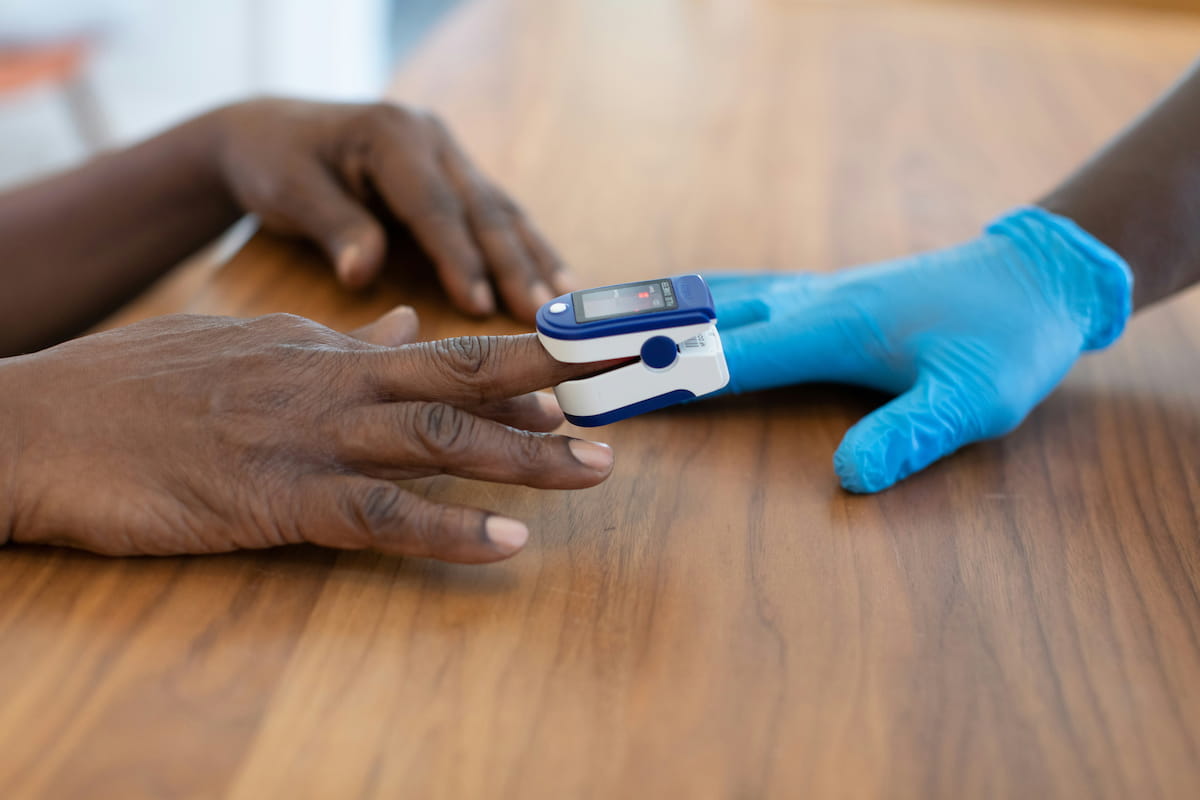
What’s important to highlight about this clinical trial is that the team-based program didn’t require expensive technology or the involvement of specialty clinics. This shows that effective heart healthcare doesn’t need to be complicated or expensive to work — and can be accessible to more people.
High-quality healthcare is often associated with higher costs — but this study shows that this isn’t necessarily the case. Better health outcomes don’t always require high-cost solutions.
High blood pressure is a serious condition that can lead to complications if left uncontrolled — but it is manageable with the right support. This NIH-backed clinical trial highlights how consistency, teamwork, and access to care can improve outcomes. Taking control of your blood pressure can start with small, yet meaningful steps — as well as a strong support system. Ask your doctor if team-based care or home blood pressure monitoring could be part of your treatment plan.
By subscribing, you consent to receive emails from BlackDoctor.com. You may unsubscribe at any time. Privacy Policy & Terms of Service.