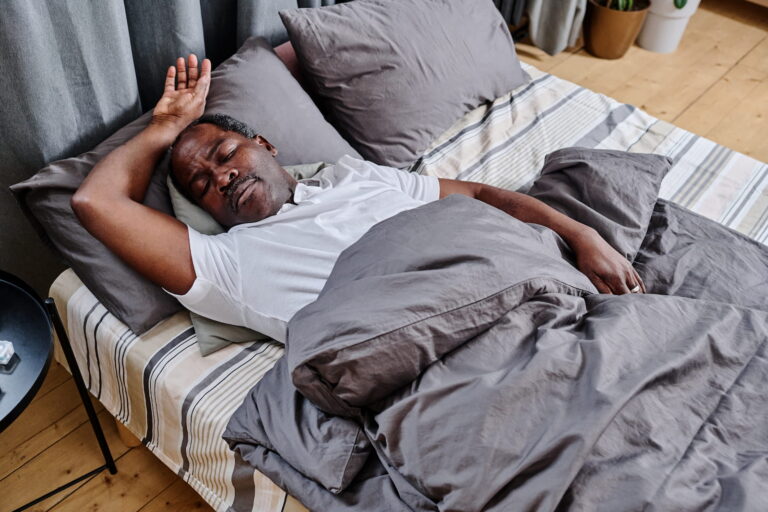
It hits like a tsunami and leaves you dragging all day long.
If your feet touch the floor first thing in the morning, and you’re already exhausted – no matter how much sleep you got – it’s more than just normal fatigue. In some cases, even with a routine of eight hours of sleep or more, you feel absolutely awful.
So what could it be?
Coffee doesn’t solve it, energy drinks fail, and no matter what you try, it feels like daily tasks are becoming overwhelming. You’re simply… totally… exhausted.
Turns out, for millions of Black adults, this isn’t “just tiredness.” It could be obstructive sleep apnea (OSA), a serious but often silent condition in which your breathing actually stops and starts during sleep.
The numbers are startling. According to the National Heart, Lung, and Blood Institute, sleep apnea is really quite common – but underdiagnosed – in Black Americans, with nearly 95 percent of moderate or severe cases being undiagnosed and untreated.
In Black adults, especially men, the symptoms of OSA often present with more severe disease at diagnosis, which is also linked to higher rates of high blood pressure, more daytime sleepiness, and other related conditions.
But enough bad news, here’s the good news: awareness empowers action.
Let’s go over five key signs that your exhaustion might signal sleep apnea, and what comes next.
RELATED: Hidden Warning Signs of Sleep Apnea
Does this sound like you?
Maybe you crash into bed early, but still wake up groggy and sluggish throughout the day. Unlike regular tiredness, this type of fatigue doesn’t just go away with rest. The reason for this is pretty simple. OSA fragments your sleep, with dozens and even hundreds of breathing pauses. In other words, you’re not getting the continuous oxygen you need.
Because of these micro-arousals, you lack deep, restorative sleep, and unfortunately, many of the symptoms get written off as stress or normal aging.
Ask yourself this: Do you fight the urge to nap midday or feel dangerously drowsy while driving? If so, this may not just be typical tiredness. It could be your brain starving for oxygen-rich rest!
Do you have a partner? A significant other or spouse?
If so, keep an open mind. If your partner constantly complains about thunderous snoring interrupted by silence, then sudden gasps or choking, it’s time to get checked out. Why? Because these are classic red flags.
During apnea episodes, the airway collapses, cutting off airflow. This is why your body jolts awake. It’s basically your body’s attempt to reopen the airway, and in many Black communities, where heavy snoring is dismissed as just how people sleep, these warning signs can go unheeded.
RELATED: I Was Exhausted for Years Until a Sleep Apnea Diagnosis Changed Everything
If you’re waking up with a pounding head, cotton mouth, or fuzzy thinking, it could be sleep apnea-related. See, when oxygen drops and carbon dioxide spikes overnight, this may have a dilating effect on your blood vessels. Basically, they widen, which can lead to headaches.
Poor sleep also impairs focus and memory, and these are hallmarks of the “brain fog” many people describe. If your concentration at work or in life in general feels harder than it should, it could be due to untreated pauses in your breathing.
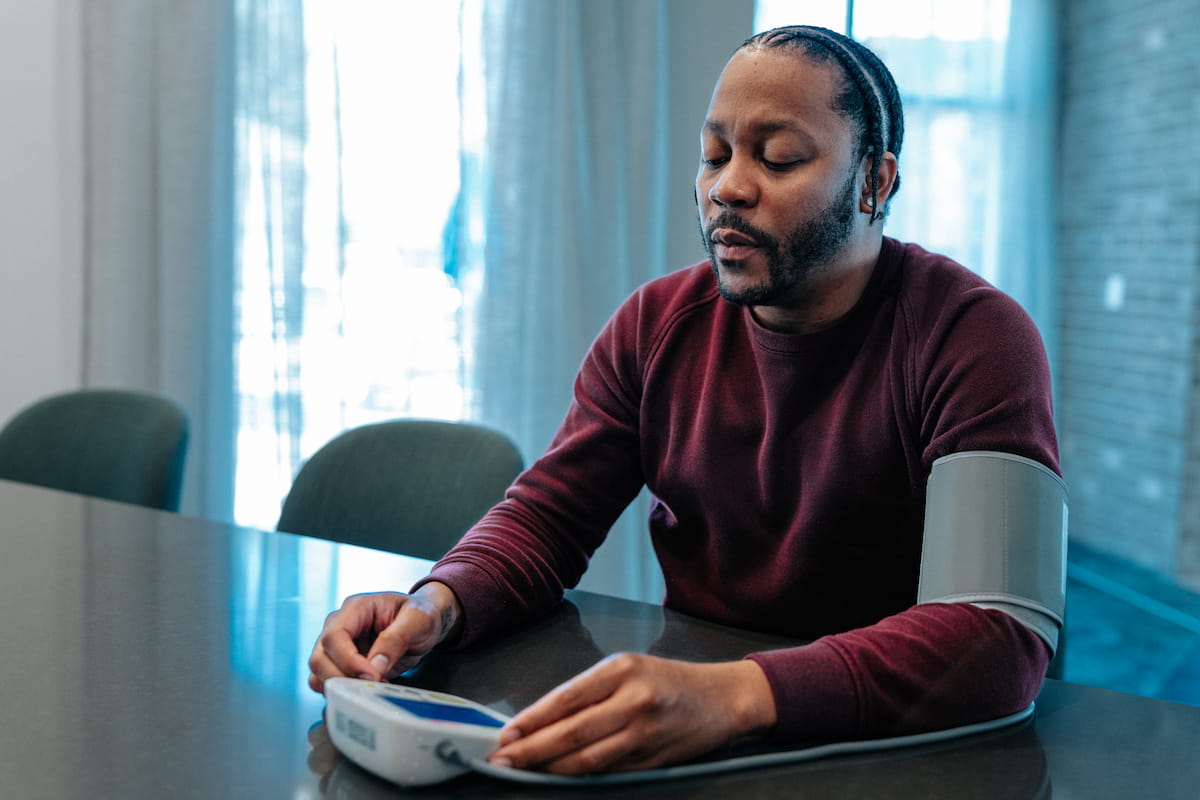
Has your doctor noted a rise in your blood pressure despite lifestyle efforts to keep it in check? Many times, untreated sleep apnea repeatedly stresses the cardiovascular system through oxygen deprivation. As a result, your body has a surge in stress hormones, furthering the high blood pressure issue.
Because Black adults face higher rates of severe OSA linked to uncontrolled high blood pressure, keeping an eye on your heart is crucial.
Remember: this isn’t a coincidence. OSA is a direct pathway to long-term cardiac strain.
This can manifest in many ways.
Do you find yourself losing your temper more than usual? Are you struggling to stay sharp? Are you just ‘on edge’ more than ever and can’t pinpoint why?
If you’ve noticed these changes, they could be due to fragmented sleep from apnea. Without proper rest and oxygen utilization, your mood and cognition can definitely take a dive.
Finding yourself walking to use the bathroom multiple times during the night? This nocturia can further compound the issues.
First things first: don’t brush it off as “normal tiredness.”
Be diligent and honest in tracking your symptoms. Keep a simple log of snoring patterns (ask your partner), any gasping episodes, and daily fatigue levels for a week. Share it with your doctor.
It’s also a great idea to consider the following:
If you do receive a diagnosis, you’ll usually use continuous positive airway pressure (CPAP). This machine delivers steady air through a mask to keep your airways open.
But it’s all about proper setup.
Firstly, ensure the mask fits. Try nasal pillows, nasal masks, or full-face options. Before you start using your CPAP, an actual technician can measure for a seal that feels natural. Basically, you don’t want any leaks or pressure sores.
Test your mask while lying down in your usual sleeping position, and avoid overtightening the straps.
Also, look into humidification features. Heated humidifiers prevent dry mouth and nasal irritation, and are absolutely necessary for long-term use. Over time, adjust your settings gradually for optimal comfort.
Speaking of gradual acclimation, start with daytime trials. Wear the mask while watching TV, then add the hose and low pressure. This way, you can build tolerance over days or even weeks. Most CPAP users will adapt fully within a month.
And finally, aside from using the machine, make some lifestyle changes.
Back sleeping often worsens airway collapse, while side sleeping, especially on the left side, keeps airways open. You can use a body pillow or tennis-ball trick with your pajama top to keep the position.
Weight management is also important. Even moderate weight loss can reduce neck fat, keeping it from pressing on your airways. And don’t forget to be consistent. Not just in regular exercise and balanced eating, but also with your sleep schedule.
As hard as it can be, aim for the same bedtime and wake time every day. Try to reduce blue light from screens one to two hours per day before bedtime, using things like night-mode filters or even specialized glasses.
And if you’re struggling to drift off, look into adding more magnesium-rich foods to your diet, such as spinach and almonds, or discuss supplementation with your doctor.
By applying the details outlined in this article, you’ll stand a much stronger chance of reclaiming your energy and vitality. So, don’t be ashamed. Black adults already face elevated cardiovascular burdens, and when untreated OSA amplifies them, the rates of mortality can increase significantly.
If your body is signaling a treatable condition, now’s the time to act.
What if tonight’s sleep test is the first step toward waking up truly refreshed? The power is yours – start asking the questions today!


By subscribing, you consent to receive emails from BlackDoctor.com. You may unsubscribe at any time. Privacy Policy & Terms of Service.