Living well with HIV typically means sticking to the medical regimen your doctor prescribes, having regular check-ups, eating well, and staying physically active. Another aspect of your healthcare to consider is your dental health. That’s because people living with HIV may be more likely to have problems with certain aspects of their oral health. If you take a proactive approach, though, you can stay on top of potential issues.
The American Dental Association (ADA) notes that, though antiretroviral therapies have reduced the likelihood of certain oral conditions, up to 80 percent of HIV-infected people still deal with them. For children, eight to 19 percent can experience swelling of the salivary glands, dry mouth, and fungal infections. With their compromised immune systems, they’re also at risk of opportunistic viral infections like herpes, HPV, Epstein-Barr, and the infection-related pre-cancerous lesions that can further develop into oral cancer, warts, or hairy leukoplakia. Children who are living with HIV are also more likely to have gingivitis, gum disease, and cavities.
The numbers are even higher for adults. Of the 30-80 percent dealing with oral abnormalities, up to 40 percent of them can have dry mouth. They’re also likely to have fungal infections, cavities, enlargement of the salivary glands, and opportunistic infections that can lead to warts, cancer, Epstein-Barr virus infection, herpes, ulcerative gingivitis, and oral ulcers. In some people, these conditions can progress more quickly than in those who aren’t HIV-positive.
RELATED: Diabetes and Oral Health: Your Path to a Healthy Mouth
According to the ADA, 30-80 percent of people with HIV can deal with oral care issues. This percentage may or may not be influenced by how much your immune system is being suppressed. This means you have a higher risk of dry mouth, gum disease, a fungal infection known as thrush, mouth ulcers, canker sores, gingivitis, oral cancer, and ulcerative periodontitis.
Additionally, you’re more prone to developing oral HPV, herpes, Kaposi’s sarcoma, and oral hairy leukoplakia. When you know what you’re up against, you know what to look out for and what to tell your dentist about.
While you may be more prone to dealing with certain oral care issues, it doesn’t mean you can’t prevent them. Your dentist can determine if you’re being affected through a thorough examination. That’s why it’s recommended for you to see a dentist at least every six months. Your dentist may suggest a different schedule based on your health. Of course, you should tell your dentist about any other health conditions you’re living with and all the medication you’re taking.
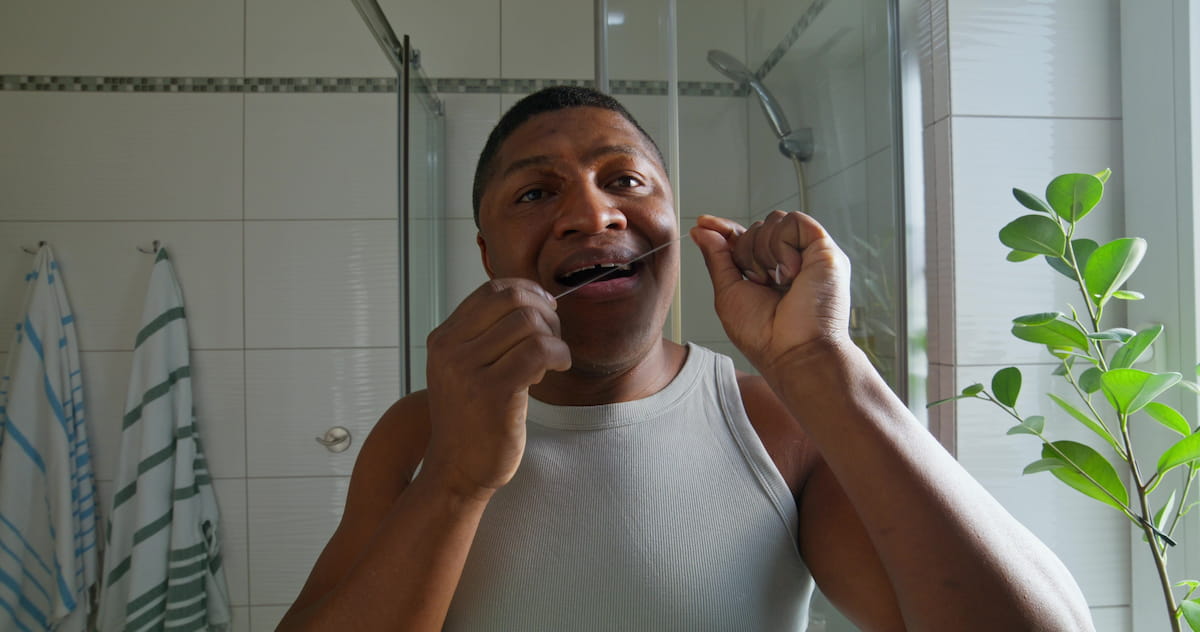
Ideally, you should brush and floss your teeth after every meal. You should at a minimum brush twice per day. Your toothbrush should have soft bristles so they won’t hurt your gums, but should still be strong enough to clean your teeth effectively.
If you have sensitive gums, though, ask your dentist about your options. Opt for dental floss that can reach the root of your teeth so you can adequately remove any food or debris that your toothbrush missed. It’s also best to use toothpaste that contains fluoride, as it helps strengthen your teeth. After brushing and flossing, use mouthwash to kill microorganisms in your mouth. You can ask your dentist if they have any specific mouthwashes that you should use.
While oral conditions can range from uncomfortable to painful, they can take some time to reach that point. That’s why it’s important for you to keep checking your mouth for any changes. When checking, look at your lips, gums, cheeks, the roof of your mouth, and tongue. If you see white, purple, or red patches, bumps, or sores that don’t heal after seven to 10 days, then tell your dentist immediately. These issues could signal that you’re developing thrush, gum disease, or mouth sores. You should also tell your dentist if you see any signs of cavities or bleeding gums.
Dry mouth can increase your risk of tooth decay and developing certain fungal infections because saliva is important to maintaining a healthy mouth. To keep your mouth hydrated, you should drink at least eight glasses of water per day. It can also help to chew sugar-free gum between meals. It’s best to avoid alcohol, caffeinated drinks, and tobacco as they dry out your mouth further.
Taking your medication as prescribed is integral to your oral and overall health. It can reduce your risk of developing certain issues, so it’s important to stick to the plan. If you’re still experiencing problems with your oral health, talk to your doctor about adjusting your routine to better suit your needs.
Eating properly when you’re dealing with HIV can boost your immune system, enhance the effectiveness of your medication, and improve your overall health. Generally, a good diet for you would include whole grains, fresh fruits and vegetables, dairy, lean proteins, and healthy fats. Avoiding sugary foods and drinks can help your teeth stay healthy as well.
When you’re looking for a dentist, it’s best to find one who is used to working with people who are living with HIV. Your primary care physician may be able to recommend one, so that’s a good place to start. If that’s not an option, official government sites like HIV.gov can help you locate dentists within your state that specifically care for people with HIV. Your state website may also have resources available for you.
If you’re interested in low or no-cost options, look into the Ryan White HIV/AIDS Program (RWHAP), which offers healthcare options to those who qualify as low-income. These criteria are usually determined at a state level, but may be open to you if you have been diagnosed with HIV, need help with healthcare, don’t have health insurance, or have health insurance that doesn’t cover the care you need.
Health centers across the country should also provide necessary healthcare regardless of your health insurance status or ability to pay. Another option is local or nearby colleges. Some colleges have a school of dentistry that will provide low or no-cost care to people with HIV. You will need to make an appointment and confirm if you qualify for their care. While some services may not be available, some typical ones include preventive treatment, same-day emergency dental care, fillings, root canals, dentures, and oral surgery.
Finally, state-based HIV hotlines may be able to guide you to the resources that are available for you locally.
People who are living with HIV usually need a robust dental care regimen. If you haven’t established one already, now’s the time to start. It’s important to take care of your teeth at home while also seeing a dentist regularly. Your doctor should have recommendations, but that’s not your only option for finding the right match, so do your research.

By subscribing, you consent to receive emails from BlackDoctor.com. You may unsubscribe at any time. Privacy Policy & Terms of Service.

Enter your name and email to receive the download link.