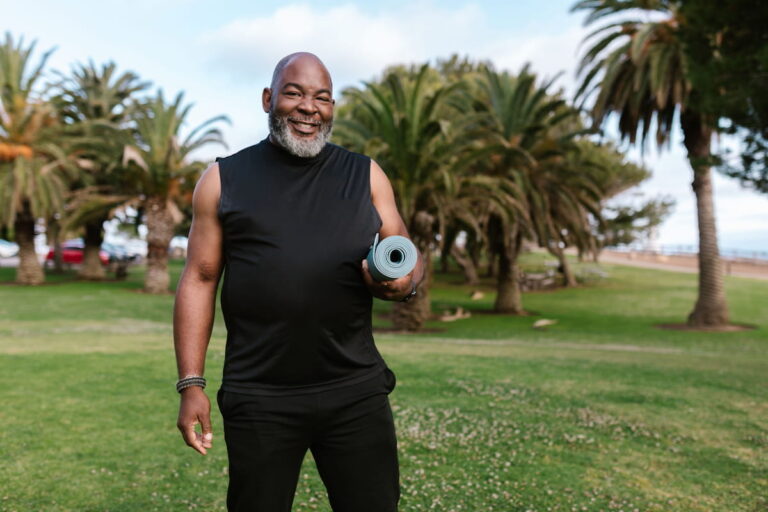
Our summer cookouts are sacred.
It’s where cousins reconnect, aunties compare recipes, uncles debate who makes the best ribs, and somebody’s old-school playlist becomes the family reunion soundtrack.
But if you’re living with diabetes, cookout season can also come with a side of anxiety.
You know the spread: ribs glazed in sweet barbecue sauce, creamy potato salad, baked beans, mac and cheese, watermelon, peach cobbler, sweet tea, and lemonade. Suddenly, what should be a fun afternoon feels like a series of decisions about blood sugar.
The good news? You don’t have to sit on the sidelines, bring your own sad meal, or spend the entire cookout explaining what you can and can’t eat.
The truth is, the cookout isn’t the whole problem. The combination of foods is.
Understanding how certain foods work together can help you enjoy the day without feeling deprived or sending your blood sugar on a roller coaster ride.
RELATED: Diabetes, Dating & Sex
A plate of ribs usually isn’t the issue. The bigger blood sugar spike often comes from stacking multiple carb-heavy foods together, like potato salad, baked beans, a bun, sweet tea, and cobbler all at once.
Start with protein, choose your favorite sides, and remember: you don’t have to skip the cookout to manage your blood sugar.
Many people assume the biggest blood sugar culprit at the cookout is dessert.
Not necessarily.
According to the American Diabetes Association (ADA), carbohydrates have the greatest impact on blood glucose levels because they’re broken down into glucose during digestion. That means foods like bread, potatoes, beans, sugary drinks, fruit, and desserts all contribute to a meal’s total carbohydrate load.
The challenge isn’t usually one item. It’s when several carbohydrate-heavy foods show up on the same plate.
Think about this common cookout meal:
None of these foods is off-limits individually, but together they can create a much larger blood sugar spike than many people realize.
The ADA recommends focusing on overall carbohydrate intake rather than labeling individual foods as completely off-limits. In other words, diabetes management is often more about portions and combinations than perfection.
RELATED: Confused About Carbs? This Might Help

If you’re scanning the setup at the cookout and wondering where to begin, start at the grill.
Protein helps slow digestion and can help reduce the rapid blood sugar spikes that often happen when carbohydrates are eaten alone.
Good cookout choices include:
Registered dietitian and diabetes educator Tiffany “Posh,” known on TikTok as @theycallme_posh, frequently encourages people to prioritize protein and fiber throughout the day to help support blood sugar management, maintain lean muscle mass, and stay fuller longer.
One of her memorable rules of thumb?
“The less legs, the better.”
Fish have no legs. Chicken has two. Beef and pork come from animals with four legs.
While all proteins can fit into a balanced eating pattern, her point is simple: leaner protein choices often come with less saturated fat and can be especially helpful when you’re building a diabetes-friendly plate.
Think of protein as the anchor that helps keep the rest of the meal balanced.
RELATED: 5 Steps for a Heart-Healthy Grilling Season
Let’s talk about the foods people often stress over: potato salad, mac and cheese, baked beans, and corn on the cob.
These foods are staples at many Black family cookouts and summer gatherings. But the goal isn’t to avoid them forever. The goal is to be intentional.
Instead of taking large portions of every side, choose one or two favorites and keep portions reasonable.
For example:
You might enjoy a scoop of potato salad and a serving of corn on the cob while skipping the baked beans.
Or choose baked beans and a small serving of mac and cheese.
What tends to get people into trouble isn’t the potato salad itself, it’s taking generous servings of every carbohydrate-rich dish on the table.
Diabetes educators often recommend pairing carbohydrates with protein and fiber whenever possible. For example, eating potato salad alongside grilled chicken typically affects blood sugar differently than eating a large serving of potato salad on its own.
Protein, fiber, and healthy fats slow digestion, which can help reduce sharp blood sugar spikes after meals, says the Centers for Disease Control and Prevention (CDC).
RELATED: Mac and Cheese Makeover: Creamy, Cheesy and Waistline-Friendly
One of the easiest places for blood sugar to sneak up on you is your cup of sugary drink.
Sweet tea, fruit punch, lemonade, and regular soda can contain a surprising amount of added sugar.
Because liquid sugar is absorbed quickly, these drinks can cause blood sugar levels to rise fast.
That doesn’t mean you can never enjoy them.
But it does mean they’re worth paying attention to.
Some alternatives include:
If sweet tea is part of the tradition and you want a glass, consider balancing it by being more mindful about carbohydrates elsewhere on your plate.
RELATED: Sugary Drinks Could be Linked to Colon Cancer in Younger Patients

Few cookout foods create more confusion than watermelon.
Some people with diabetes have been told to avoid it completely.
That’s not necessary.
Watermelon contains natural sugars, but it can absolutely fit into a balanced eating plan.
The key is portion size.
A moderate serving of watermelon enjoyed alongside a meal that includes protein and other foods will affect blood sugar differently than eating several large bowls by itself, according to the experts of the online diabetes community, Diabetes Team.
The same principle applies to most fruit.
RELATED: 5 Amazing Facts About Watermelon: Nature’s Most Powerful Food
Here’s something diabetes educators often emphasize: deprivation tends to backfire.
If your grandmother’s peach cobbler only shows up twice a year, forcing yourself to skip it completely may leave you feeling frustrated and more likely to overdo it later. Instead, think about planning for it.
Maybe that means:
The goal is enjoyment, not perfection, because perfection isn’t what helps people manage diabetes long term. Consistency does.
Instead of trying to avoid every carbohydrate, focus on balance:
✅ Start with a protein like grilled chicken, fish, a burger, or ribs
✅ Add vegetables when they’re available
✅ Pick one or two favorite carb-heavy sides instead of sampling them all
✅ Choose water or unsweetened beverages most of the time
✅ If dessert matters to you, plan for it and enjoy it mindfully
The goal isn’t a perfect plate. It’s a plate that lets you enjoy the cookout and feel good afterward.
Showing up hungry enough to eat the folding table is rarely a winning strategy.
When you arrive overly hungry, your portion sizes tend to grow, and it’s harder to make mindful choices.
In fact, TikTok’s Posh often recommends prioritizing protein and fiber earlier in the day, noting that the combination can help support steadier blood sugar levels while reducing cravings later on.
A small snack before the gathering, such as nuts, Greek yogurt, cheese, or another protein-rich option, can help take the edge off and make it easier to enjoy the cookout without feeling out of control.
RELATED: 10 High-Protein, High-Fiber Recipes You’ll Love
Cookouts are about more than what’s on your plate. They’re about catching up with family, laughing with old friends, hearing the stories you’ve heard a hundred times, and making new memories.
Living with diabetes doesn’t mean missing out on any of that. It simply means being mindful of your choices so you can enjoy the food, the people, and the moments.
Summer is meant to be lived, enjoyed, and feeling your best after every cookout.


By subscribing, you consent to receive emails from BlackDoctor.com. You may unsubscribe at any time. Privacy Policy & Terms of Service.