Black men are tracking macros, buying supplements, and visiting testosterone clinics—but a world-renowned Johns Hopkins urologist says some of them may be optimizing around symptoms that deserve a doctor’s attention.

In fitness and wellness culture, “optimization” means fine-tuning your body for peak performance — better sleep, more muscle, higher testosterone, sharper focus. It sounds like self-improvement. But doctors are starting to ask: what happens when men optimize around symptoms instead of addressing them?
Imagine a man in his early 40s. He’s consistent at the gym. He tracks his protein, gets his steps in, and has recently started a testosterone supplement he found on Instagram, mostly because he’s been feeling a little slower, a little less like himself. He doesn’t think he’s sick. He thinks he needs to optimize.
According to Dr. Arthur Burnett, MD, MBA, FACS, a professor of urology at Johns Hopkins University and one of the most respected urologic surgeons in the country, that man is not unusual. And what’s underneath that story—the cultural wiring that turns a symptom into a performance problem—is one of the most important health conversations Black men are not having.
“There may be a bit of a disconnect,” Dr. Burnett tells BlackDoctor, “in terms of how guys really need to understand what their normal body functioning is and what’s maybe conveyed out there.”
Wellness culture, by itself, isn’t the enemy. Dr. Burnett acknowledges there’s real value in messaging around fitness and diet. The problem is what happens when that culture collides with unrealistic standards of male performance—and when men begin chasing fixes before they’ve understood what’s actually going on with their bodies.
“Modern wellness culture has some drawbacks,” he says. “Various dietary supplements, testosterone misuse, maybe various kinds of devices thought to enhance your penile size or look—some of these things cross a bit of a line.”
Dr. Burnett is seeing patients who have undergone penile enhancement surgeries—silicone implants marketed largely through social media—and arrived at Johns Hopkins with complications. He’s watching younger men absorb a media landscape that presents an image of the male body that is, in his words, “more extraordinary than real.”
Testosterone, he warns, is widely misunderstood: “The most significant misconception is that it’s some sort of fountain of youth—just give me some testosterone and it’ll fix it all. That’s just not true.” Many men who lose weight and improve their diet find their levels normalize on their own.
“Let’s not look at testosterone as some sort of magic pill.”
RELATED: Answers to Penis Questions You Were Afraid to Ask
Prostate cancer is the most commonly diagnosed cancer among Black men in the United States, with an estimated 57,300 new cases expected in 2025, accounting for 44 percent of all cancer diagnoses in Black men, per the American Cancer Society Cancer Action Network. Black men are nearly 70 percent more likely than white men to develop prostate cancer in their lifetime, and twice as likely to die from it. The five-year survival rate for distant-stage disease is only 38 percent, compared to nearly 100 percent for earlier-stage diagnosis.
Yet Dr. Burnett has watched men in their 30s and 40s focus on body composition while skipping the screenings that could catch something far more serious.
He also notes younger Black men are increasingly presenting with cardiovascular problems—hypertension, early metabolic disease—at ages when most assume they’re fine.
The recommendation: build a relationship with a physician even in your 20s.
“Even the most asymptomatic person, no symptoms, may still have something going on with them,” he says. “Get a checkup.”
Arthur Burnett, MD, MBA, FACS
“You can be obsessing over performance while completely missing a silent health condition.”
To understand why this pattern is particularly prevalent among Black men, Dr. Burnett doesn’t start with social media. He starts with history.
“Black men have been so taken advantage of over generations,” he says, “that they may be even more acutely sensitive about, ‘I’ve got to be a man, I’ve got to be tough.'”
That historical weight—reinforced by systemic exclusion from healthcare, documented medical mistreatment, and a culture that has rewarded stoicism over self-care—doesn’t exist in a vacuum. The “alpha male” messaging flooding social media today lands in that context and amplifies it.
“Toxic masculinity refers to creating a mystique that’s unhealthy—’just tough it out,’ ‘don’t worry about it until you’re ill,’ take things that short-circuit proper medical care,” he says. “That’s when we find that guys are diagnosed too late.”
He’s careful to acknowledge the structural realities Black men face: food access, environmental exposures, economic barriers, and a healthcare system that has not always treated them well.
But all of that context makes the stakes higher, not lower. “We’re creating a set point reset,” he says, “that is going to be detrimental, particularly to young men.”
RELATED: Black Men Aren’t Superman: Health Screenings at Any Age

Something has to break before he calls the doctor. Optimization culture, Dr. Burnett worries, has raised that threshold further. If a man believes his fatigue is a testosterone issue, his slow recovery is a supplement deficiency, his erectile function is a performance problem—he has a framework that lets him keep managing without seeking care.
The result: men arrive in his office not for initial evaluations, but for complications. Not for early intervention, but for something that has already progressed. Partners can help—but carefully. “Be supportive, be encouraging, create a dialogue without being judgmental,” Dr. Burnett suggests. “And don’t diminish who he feels he is. Recognize that you want him to be the best man he can be.”
On prostate screening specifically, Dr. Burnett is direct: don’t wait until 55. New Prostate Cancer Foundation guidelines recommend Black men consider PSA screening between the ages of 40 and 45. “Waiting until guidelines say you’re 55 just to get a PSA is probably inaccurate,” he said.
According to Dr. Burnett, these are the signs that should prompt a doctor’s visit, not a supplement order:
RELATED: Peyronie’s Disease: How to Start the Conversation With Your Doctor
“Accept that you’re no less of a man to get a checkup,” Dr. Burnett says. “We still recognize that you are the male you want to be—and we can make you even stronger.”
Arthur Burnett, MD, MBA, FACS
“I’m fighting against a tide that’s much bigger than I am,” he said. “Everybody’s attracted to what’s sensational, what seems like a quick fix. Everything I’m talking about is probably what people should be hearing—if they really sit down and have a good heart-to-heart talk.”
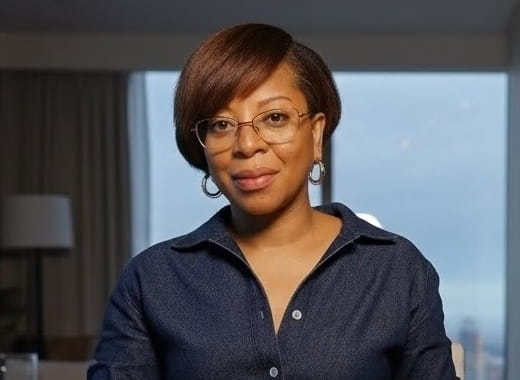
Dr. Arthur Burnett is a professor of urology at Johns Hopkins University School of Medicine and one of the leading urologic surgeons in the United States. His research focuses on sexual medicine, erectile function, and urologic oncology.

By subscribing, you consent to receive emails from BlackDoctor.com. You may unsubscribe at any time. Privacy Policy & Terms of Service.