In the age of meal-prepped containers, protein bars with 20-ingredient labels, and “discipline-driven” fasting protocols, many men believe they’re doing everything right for their health.
They train hard.
They eat “clean.”
They avoid junk food.
They control calories.
Yet more men in their 20s and 30s are reporting symptoms associated with low testosterone: reduced libido, fatigue, slower recovery, brain fog, and decreased muscle gains. Testosterone is not just about masculinity or muscle size. It regulates:
Walk into any gym, and you’ll see it:
While aging, sleep deprivation, and stress are known contributors to declining testosterone, modern fitness nutrition trends may also be playing a quiet role. Let’s unpack three popular “healthy” patterns that may unintentionally suppress testosterone — even when calorie intake looks adequate on paper.
RELATED: 7 Drug-Free Ways To Boost Your Testosterone Level
1. Ultra-Processed “Health” Eating: When Gym Food Isn’t Whole Food
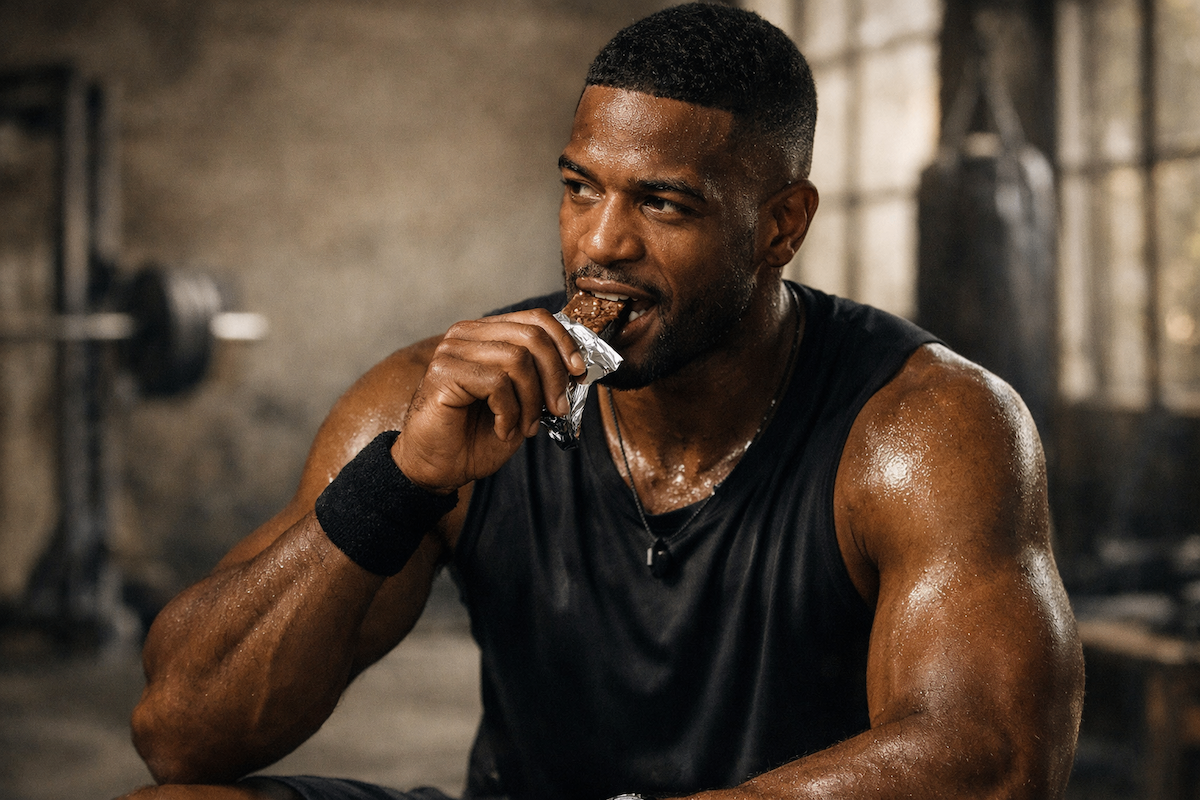
These products are marketed as fitness-friendly and “macro-optimized.” But many fall into the category of ultra-processed foods. Ultra-processed foods often contain:
According to reporting in Men’s Journal, excessive reliance on packaged “fitness” foods can lead to chronic inflammation and metabolic disruption, both of which are linked to lower testosterone levels.
Why This Matters for Testosterone
Testosterone production occurs in the Leydig cells of the testes and depends on:
Highly processed diets can:
Even if total calorie and protein intake appear sufficient, systemic inflammation can interfere with optimal hormonal signaling. Not all protein powders or convenience foods are harmful. But when the majority of intake comes from engineered products rather than whole foods — red meat, eggs, fruit, vegetables, full-fat dairy — the hormonal environment may suffer.
2. Time-Restricted Eating and OMAD: Discipline or Downregulation?
Time-restricted eating (TRE) and One Meal A Day (OMAD) are often framed as elite-level discipline strategies. Many men adopt them to stay lean while building muscle. However, testosterone production is sensitive to energy availability and stress signaling. When fasting windows become extreme:
Research has shown that prolonged calorie restriction and low energy availability can suppress testosterone. Even without intentional calorie cutting, compressed eating windows may inadvertently reduce total intake or create physiological stress.
In the Men’s Journal article cited above, nutrition experts note that overly aggressive dieting — even under the banner of “intermittent fasting” — can lead to hormonal suppression.
The Biology Behind It
The body prioritizes survival over reproduction.
If energy intake appears unpredictable or insufficient, the brain may reduce gonadotropin-releasing hormone (GnRH) signaling. That reduces:
This effect is well-documented among athletes under conditions of low energy availability. Short fasting windows (12–14 hours) are unlikely to cause harm in most men. But extreme OMAD protocols combined with intense training and low body fat can create a chronic stress state that downshifts testosterone. Discipline is not always synonymous with optimization.
3. Ultra-Low-Fat, No-Oil Dieting: The Testosterone Trap
One of the most overlooked factors in testosterone production is dietary fat. Testosterone is synthesized from cholesterol. When men aggressively eliminate fats — especially saturated and monounsaturated fats — testosterone levels may decline. The “no oil,” ultra-low-fat clean-eating trend is often driven by fear of gaining body fat. But the hormonal cost can be significant.
According to an analysis highlighted by Muscle & Brawn, diets extremely low in fat — particularly those that replace fat with refined carbohydrates — are associated with lower total and free testosterone levels.
Why Fat Matters
Healthy testosterone production depends on:
Research has consistently shown that men consuming higher-fat diets (within reasonable limits) tend to have higher testosterone compared to men on very low-fat diets. Extremely low-fat diets can:
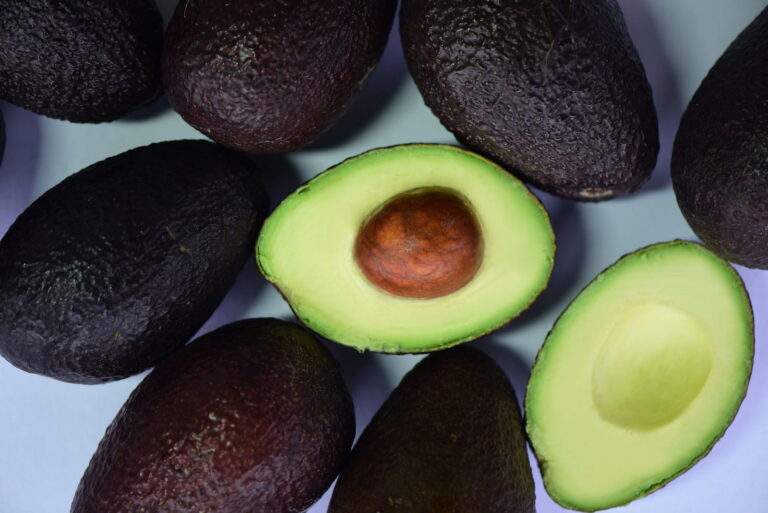
Sources of testosterone-supportive fats include:
The goal is balance — not excess — but eliminating dietary fat in pursuit of “clean” eating may unintentionally suppress hormones.
The Overtraining + Undereating Combination
Modern fitness culture often stacks multiple stressors:
Individually, each may seem manageable. Combined, they can create chronic physiological stress. Elevated cortisol over time can interfere with testosterone production. Low body fat percentages (especially under ~10 percent for men) are also associated with reduced testosterone levels. In other words, visible abs are not always a sign of optimal hormonal health.
Rethinking Healthy Eating for Testosterone
So what does evidence-based nutrition for testosterone optimization actually look like?
1. Prioritize Whole Foods Over Engineered “Fitness” Foods
2. Ensure Adequate Dietary Fat
3. Avoid Chronic Energy Deficits
4. Use Fasting Strategically — Not Religiously
5. Support Micronutrient Status
Key nutrients for testosterone:
When to Investigate Further
Diet is one variable among many. If symptoms of low testosterone persist — including:
— blood testing through a qualified medical professional is essential. Total testosterone, free testosterone, SHBG, LH, and cortisol provide a clearer picture than guesswork. Diet can support hormone health. It cannot override:
The Bottom Line
Clean eating is not inherently harmful. Whole foods, balanced nutrition, and mindful eating are foundational to good health. But modern fitness culture sometimes confuses:
Testosterone is sensitive to:
Men optimizing hormone health should think beyond macros and aesthetics. The goal is not just looking lean. The goal is metabolic resilience, hormonal stability, and long-term vitality. If your diet is ultra-clean but your libido, recovery, and energy are declining, it may not be a willpower problem. It may be time to rethink what “healthy” actually means.


By subscribing, you consent to receive emails from BlackDoctor.com. You may unsubscribe at any time. Privacy Policy & Terms of Service.