Just a single dose of psilocybin can provide rapid relief from depression, a new small-scale clinical trial has shown.
Within a week, people treated with one psilocybin dose had four times the decrease in their depression symptoms compared to a control group given the vitamin niacin, researchers reported May 15 in JAMA Network Open.
And after six weeks, half (nearly 53 percent) of the psilocybin patients had no depression at all, compared with about 6 percent in the control group, the study found.
“Our results suggest that psilocybin can provide rapid, clinically meaningful improvement in depression and may serve as an alternative to standard treatment when fast symptom reduction is important,” said lead researcher Dr. Hampus Yngwe, a doctoral student and consultant psychiatrist at the Karolinska Institute in Sweden.
“However, the long-term effects are uncertain,” Yngwe said in a news release. “Repeated treatments may be needed to prevent relapse. This needs to be investigated in larger studies.”
Previous studies have found that psilocybin, found in “magic mushrooms,” might have an antidepressant effect in people.
Current antidepressant drugs don’t work for all patients, and their effects can take several weeks to kick in, researchers noted.
For the new study, researchers recruited 35 people ages 20 to 65 who had at least a 22 score on the 60-point Montgomery-Asberg Depression Rating Scale (MADRS). A score of 20 to 34 points indicates moderate depression, and 35 to 60 points severe depression.
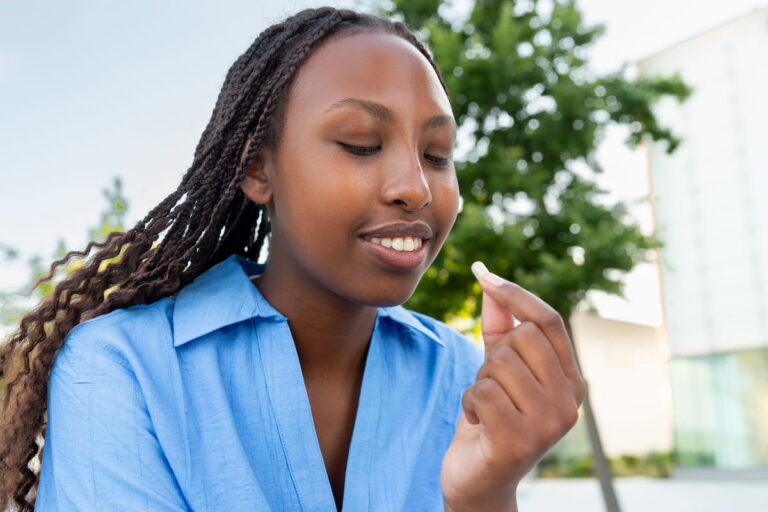
Half of the patients were randomly assigned to take a single 25 milligram dose of psilocybin. The other half took niacin, a vitamin that can cause noticeable physical reactions like flushing.
All participants were asked to lie down on the day of treatment and focus inwardly while wearing an eye mask and listening to music.
Eight days after treatment, the psilocybin patients had an average decrease of 9.7 points in their MADRS score, compared to 2.4 for the placebo group.
The effect persisted for at least six weeks, with half the psilocybin patients in remission from depression at that point.
After a year, the same number of psilocybin patients were still in remission, but by then, as many of those who had taken niacin also had recovered, researchers said.
Researchers noted that two of the participants who took psilocybin reported severe and persistent anxiety that needed medical attention. Psychotherapy support was available to all participants during the treatment day.
“It is important to emphasize that the treatment is not risk-free and that some patients may need extra support,” senior researcher Dr. Johan Lundberg said in a news release. Lundberg is a professor of clinical neuroscience at the Karolinska Institute.
One drawback – almost all the participants could tell whether they’d taken psilocybin or niacin, which might have influenced their outcomes, researchers noted.
Researchers next plan to analyze brain scans, as well as blood and spinal fluid samples, that were taken before and after people received their dose.
“Research suggests that the interaction between parts of the brain is impaired in depression and that this may be linked to changes in the connections between nerve cells, known as synapses,” Yngwe concluded. “In preclinical studies, psychedelics have been shown to stimulate synaptic growth. We therefore want to investigate whether psilocybin alters synaptic density in the brain.”
RELATED: Wrist May Predict Depression Relapse — and What That Means for Black People
Psilocybin is the active, naturally occurring psychedelic compound found in certain mushrooms, sometimes called “magic mushrooms.” Several research studies are exploring psilocybin-assisted therapy as a potential treatment for treating several mental health conditions, including:
Because of its potential, the FDA has granted psilocybin a “Breakthrough Therapy” designation for major depressive disorder (MDD) and treatment of depression, helping speed the development and review of clinical research.
Psilocybin is not currently FDA-approved to treat depression just yet. It remains classified as a Schedule I controlled substance under the Controlled Substances Act, although researchers continue to study its potential benefits in clinical trials.
Outside of approved research settings, psilocybin or other psychedelic substances should not be used to self-treat depression. Clinical trials involve careful patient screening, medical monitoring, and therapeutic support before, during, and after treatment — safeguards that help reduce risks and ensure patient safety.
Depression often goes untreated in many Black communities due to stigma, lack of culturally sensitive care, and limited access to quality mental health services. Research shows that Black adults are less likely to receive mental health treatment, even when symptoms are severe.
New treatment options — such as psilocybin — could expand options for people who haven’t responded to traditional antidepressants or therapy. As researchers expand research on this psychedelic drug and other treatment methods, the hope is that there will be more diverse study participants so they can truly understand how these treatments work across different populations.
RELATED: 5 Natural ‘Antidepressants’ You Should Try
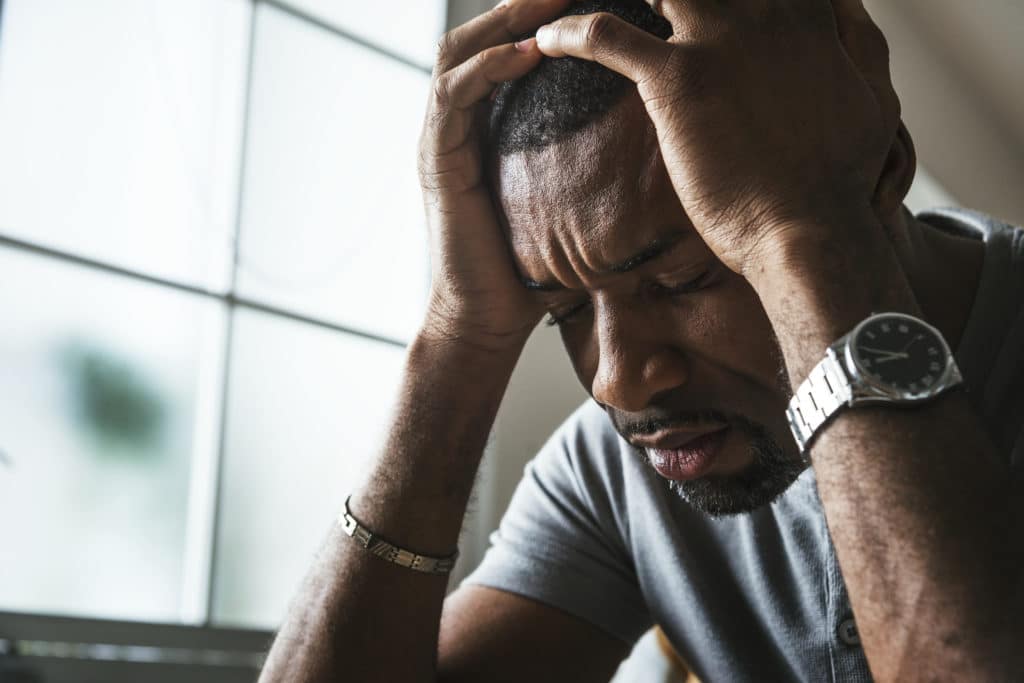
While psilocybin research is still in the early stages, the findings offer hope for people struggling with depression. For Black Americans, who often face barriers to mental healthcare, emerging therapies like psychedelic-assisted treatment could eventually expand the range of available options. However, researchers stress that more research is necessary, especially among diverse populations, before psilocybin can become part of standard depression treatment.
Patients interested in psychedelic-assisted therapy should speak with their healthcare provider about ongoing clinical trials and other evidence-based treatment options for depression.
More information
The National Institutes of Health has more on psychedelic drugs and depression.
SOURCES: Karolinska Institute, news release, May 15, 2026; JAMA Network Open, May 15, 2026


By subscribing, you consent to receive emails from BlackDoctor.com. You may unsubscribe at any time. Privacy Policy & Terms of Service.