Fibroids, or uterine leiomyomas, are not cancerous.
But that doesn’t mean they can’t cause problems. Affecting up to 80 percent of women by age 50, fibroids come in all shapes and sizes. For many women, these uterine tumors are silent, existing for years without serious issues. For others, however, they can be absolutely life-changing, causing issues like heavy bleeding, pelvic pain, and fertility struggles.
Black women, in particular, may struggle with fibroids. Their rates are higher, their fibroids are larger, and their symptoms hit earlier in life. As Fibroid Awareness Month nears, you might know these basics, but what about those hidden truths you’ve never heard of?
Let’s dig into the science and spotlight what many women, especially in the Black community, need to know…
Fibroids feed on estrogen, and it is this hormone that can cause them to grow aggressively. But the opposite is true also. This is why, when menopause hits and estrogen levels diminish, many fibroids shrink on their own. As many as 60 percent of women may see their fibroids get smaller after menopause. A relief, but not a guarantee. Unfortunately, some fibroids persist or even grow, especially for women on hormone replacement therapy.
Just be sure you’re aware of this. If you’re undergoing therapy to ease hot flashes or other symptoms, talk to your doctor first. Assess your fibroids (if any), and discuss possible consequences of treating menopause. Knowing about fibroid behaviors can help when talking to your doctor, and you’ll be much better prepared to manage your health during this shift.
The typical symptoms associated with fibroids are heavy periods and pelvic pressure. If you have these consistently, you can reliably get examined and start addressing the issue right away.
But what if your symptoms are something else?
In some cases, larger fibroids will not just put pressure on the pelvis, but also on your ureters, which are the tubes that carry urine from your kidneys to your bladder. When this happens, the fibroids can actually block the flow, leading to more serious problems down the road.
This is what’s known as hydronephrosis, a condition where your kidneys swell up with urine.
Many women may also notice leg pain. This happens because fibroids sometimes squeeze the nerves in your pelvis, leading to shooting pain down your legs. This can be difficult to diagnose, too, because many people will think it’s sciatica.
So don’t let any of these symptoms fly under the radar. Don’t ignore them, and if they persist, definitely get them checked out.

RELATED: 8 Supplements for Black Women with Fibroids
Did you know that Black women are two to three times more likely to develop fibroids than white women? According to the American Journal of Obstetrics and Gynecology, we’re talking bigger fibroids, more fibroids, and fibroids showing up at a younger age. Sometimes, they even creep up during your 20s and 30s, so it’s always a good idea to get screened early.
Wondering why Black women are affected so disproportionately? It’s part genetics, with certain gene variants more common in Black women that lead to these growths. It’s also environmental, however, thanks in part to vitamin D deficiency.
For people with darker skin, it’s harder to absorb vitamin D, but if you make an effort to get more sun and supplements, you can reach proper levels fairly easily.
In fact, the risk of developing fibroids may drop by over 30 percent in women who have optimal vitamin D levels.
The term ‘parasitic’ sounds like an alien or something, but what we’re talking about is simply abnormal growth. While most fibroids stay put in the uterus, some go rogue. Parasitic fibroids basically break off and latch onto other organs. In some cases, they may attach to your bowel or bladder, even siphoning off the blood supply to survive.
Sounds kinda scary, doesn’t it?
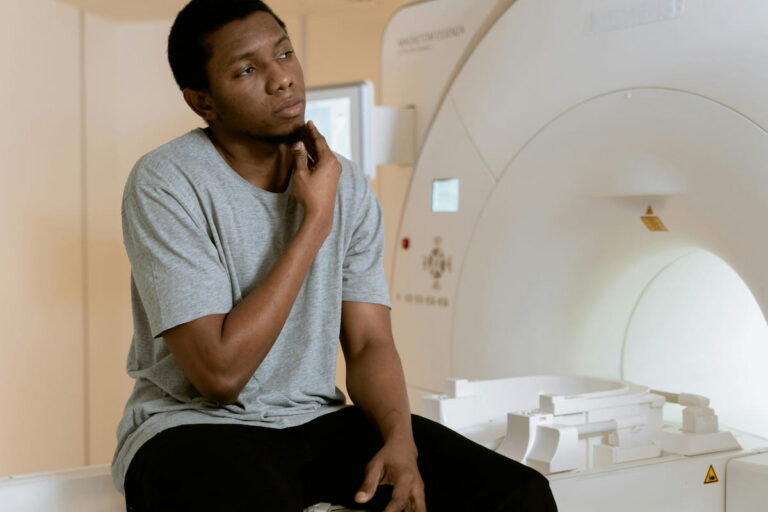
Fortunately, there are many ways to track the growth and movement of your fibroids. If a routine pelvic exam isn’t cutting out, your doctor can always use other diagnostic tests like an ultrasound, hysteroscopy, or MRI.
As always, it’s a good idea to get regularly examined, especially if a fibroid has been previously diagnosed. The last thing you want is to go through extensive surgery for a ‘parasitic fibroid’ because this may require a lot of skill to safely remove!
RELATED: Is It Fibroids? 5 Uncommon Symptoms Black Women Should Keep An Eye On
We often don’t think of the chemicals in our environment as causing fibroids, but turns out, they are a very real factor. Whether it’s unsafe ingredients in your hair products or hormone disruptors in plastic containers, all of these things might be messing with your health.
Specifically, endocrine-disrupting chemicals (EDCs) like phthalates—found in plastics, fragrances, and yes, some relaxers and lotions—will actually do a number inside your body. This is because they can act like hormones, thereby possibly boosting fibroid growth.
In an alarming 2016 study in Environmental Health Perspectives, higher phthalate levels were linked to a 30 percent increased fibroid risk. Because Black women often use more of these products, it’s important to keep an eye on these ingredients. The research doesn’t lie. Black women consistently test at higher phthalate levels in their bodies.
Wherever possible, opt for more natural and organic products. From perfumes to hair sprays, nail polishes, and deodorants, always read the labels. Look for “phthalate-free” labeled products, and choose brands showing EWG (Environmental Working Group) verified labels. These include products from Dr. Bronner’s, Acure, Beautycounter, and others.
Unfortunately, avoiding phthalates entirely is not easy. They’re also contained in numerous cleaning products, food packaging, and baby toys. So, don’t stress yourself endlessly. Databases like EWG Skin Deep and the Think Dirty app are great places to find healthier products.
As long as you stay proactive and know your facts, there’s no need to worry. By arming yourself with the critical information in this article, you’ll stand a much better chance of both preventing and addressing fibroids overall. Do your best, stay the course, and never hesitate to consult a medical professional.
You’ve got this!


By subscribing, you consent to receive emails from BlackDoctor.com. You may unsubscribe at any time. Privacy Policy & Terms of Service.