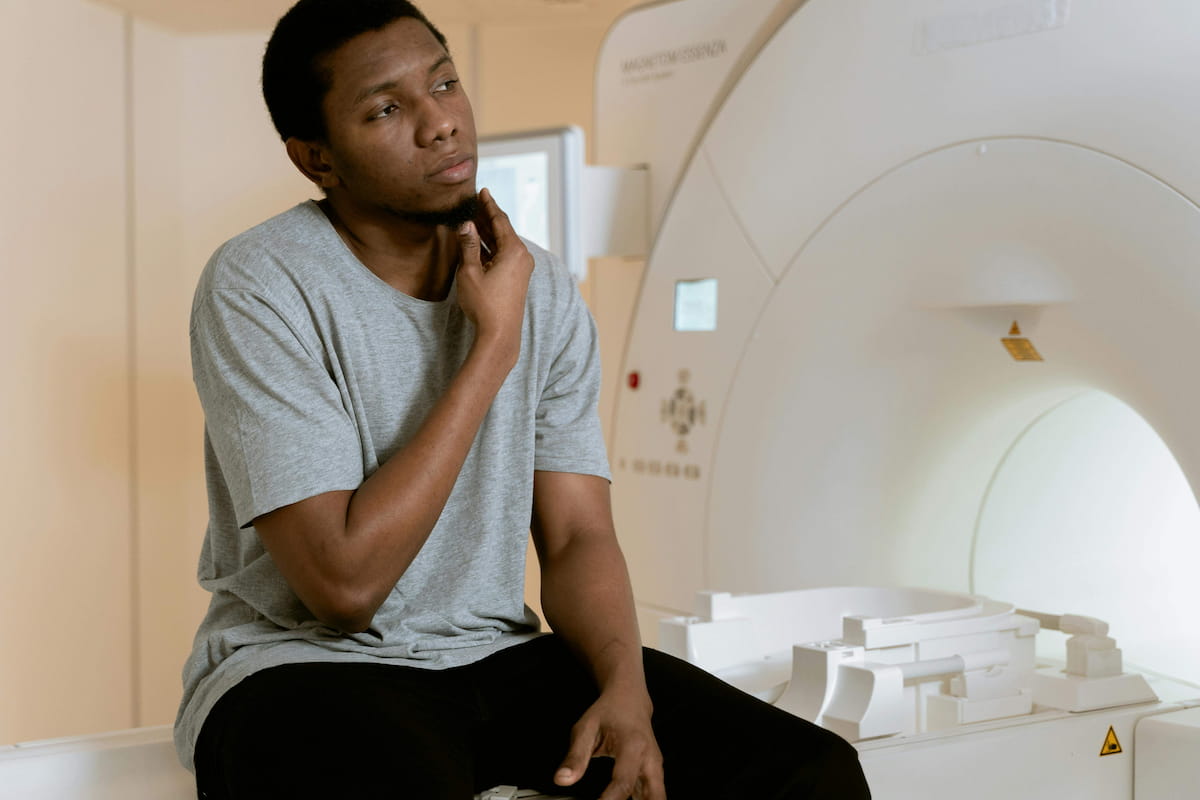
Are clinical trials safe? Clinical trials are opportunities for people to participate in potentially life-changing research that can lead to better outcomes for a variety of medical conditions. However, in the Black community, there’s concern that this research doesn’t have our best interests in mind, and many of us steer clear of it.
One of the primary reasons why Black people don’t engage in clinical trials is because of historical incidents like the Tuskegee Syphilis. This event has caused long-standing medical mistrust in the Black community, with the idea that the healthcare system isn’t worried about our safety.
In the present day, we’re still seeing an underrepresentation of Black people in clinical trials, not only due to medical mistrust but also due to a lack of awareness or structural barriers that hinder our ability to contribute to medical research.
So, when it comes to answering the question, “Are clinical trials safe?” most of us are really asking if and how participants are protected, and what we should know before joining.
If you’re concerned about safety during clinical trials, keep reading to learn what they entail and how you can protect yourself.
Clinical trials are research studies involving human participants that are designed to evaluate the safety and effectiveness of new medical drugs, procedures, or approaches.
Clinical trials have four phases:
There are two main types of clinical trials: interventional and observational. In interventional studies, participants are assigned to receive one or more interventions/treatments (or no intervention), and researchers evaluate the outcomes of the treatment.
Observational studies are designed to assess potential causes and health outcomes in participants according to the research plan and are not assigned a specific intervention/treatment.
Clinical trials are critical for a variety of reasons. Having a diverse group of participants test a new treatment can help researchers determine its safety and effectiveness across multiple populations.
When underrepresented groups aren’t involved in clinical trials, it can lead to gaps in care and poorer outcomes. This is especially important for the Black community, which faces disparities across several conditions, including heart disease, cancer, stroke, and diabetes.
By participating in a clinical trial, you not only gain access to new treatments but also help improve outcomes in your community.
All clinical trials have guidelines about who can participate. The factors that allow someone to participate in a clinical trial are called “inclusion criteria,” and those that disallow participation are called “exclusion criteria.” Using inclusion and exclusion criteria is an important principle of medical research that helps to produce reliable results and ensure safety and scientific accuracy.
These criteria are based on factors such as age, gender, the type and stage of a disease, prior treatment history, and other medical conditions.
Before joining a clinical trial, a participant must qualify for the study. Some research studies seek participants with specific illnesses or conditions for the clinical trial, while others need healthy participants.
It is important to note that inclusion and exclusion criteria are not used to personally reject people. Instead, the criteria are used to identify appropriate participants and keep them safe. You can always ask why you were or weren’t eligible for a specific trial.
The clinical trial process depends on the kind of trial being conducted. The research team can include doctors, nurses, social workers, and other healthcare and public health professionals.
They assess the participant’s health at the beginning of the trial, provide specific instructions for participating, monitor the participant closely throughout the trial, and stay in touch after the trial is completed.
Some clinical trials involve more tests and doctor visits than the participant would normally have for an illness or condition.
For all types of trials, the participant works with a research team. Clinical trial participation is most successful when the protocol is carefully followed, and there is frequent contact with the research staff.

Informed consent is the process of learning the key information about a clinical trial before deciding whether or not to participate. The research team provides an informed consent document that includes details about the study, such as its purpose, duration, required procedures, and key contacts. Informed consent is not a one-time signature; it’s an ongoing process to ensure you’re well-informed about what’s happening in the study.
Risks and potential benefits are explained in the informed consent document. The participant then decides whether or not to sign the document. Informed consent is not a contract, and the participant may withdraw from the trial at any time.
The short answer: yes. All clinical trials undergo a rigorous approval process and ongoing review to ensure participants’ safety. Institutional Review Boards (IRBs) and the U.S. Food and Drug Administration (FDA) are oversight bodies that protect human subjects in medical research. If harm is detected, clinical trial teams are required to follow protocols and monitoring and stop further research.
Here are the potential benefits and risks of joining a clinical trial:
It’s important to remember that benefits are guaranteed. Some participants may not experience improvement, especially in early-stage trials.
Like any medical treatment, clinical trials can come with risks. These can vary depending on the type of study and the trial’s stage.
Possible risks include:
To help manage these risks, clinical trials must follow strict safety protocols and be closely monitored. Participants are informed of known risks before enrolling and may leave the study at any time.
Side effects are any undesired actions or effects of the experimental drug or treatment. Potential symptoms may include headache, nausea, hair loss, skin irritation, or other physical problems.
All clinical trial participants are closely monitored for side effects, and any issues are promptly reported and tracked.
People should know as much as possible about the clinical trial and feel comfortable asking the research team members about it, the care expected while in the trial, and the cost of the trial.
The following questions might be helpful to discuss with the research team:

If you decide to participate in a clinical trial, remember that you are in control. You can ask as many questions as you need and withdraw at any time if you feel uncomfortable with the research.
To view open trials seeking diverse participants, visit BlackDoctor’s Clinical Trials Resource Center or ClinicalTrials.gov.


By subscribing, you consent to receive emails from BlackDoctor.com. You may unsubscribe at any time. Privacy Policy & Terms of Service.