Spring is near and we’re still in the middle of a global pandemic. While some still opt-out of wearing a mask for their health’s sake or their fellow man, it may do those some good who struggle with seasonal allergies. Looking for some relief? Check out these seven allergy relief tips that are sure to help ease your symptoms.
A number of natural remedies have been used to treat allergy symptoms. Treatments that may help include:
Avoid Outdoor Activities During Peak Times for Pollen
Small amounts of pollen may be seen from August and the pollen season may extend to April in some years; but, the major peak of grass pollen is usually seen in October/November with a smaller summer peak around January/February. You can reduce your exposure to allergens by:
Before heading out, make sure to check your local TV or radio station, a local newspaper, or online news source for pollen forecasts and current pollen levels. If high pollen counts are forecasted, seal all doors and windows, and consider taking your allergy medications before your symptoms start.
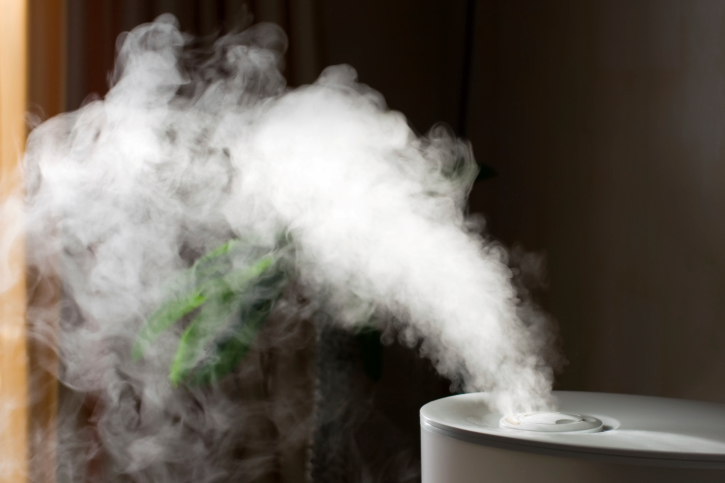
Keep Indoor Air Dry and Clean
Keeping indoor air dry and clean is actually easier said than done. Some of the most common home allergens are dust mites, insects, cat dander and pollen. However, there are some ways that you can avoid these allergen triggers altogether:
Clear Your Sinuses with Nasal Rinsing
Also known as saltwater flushes, help keep the nasal passages open by washing out thick or dried mucus. They can also help improve the function of cilia that help clear the sinuses. This can help prevent the spread of infection to the other sinuses and reduce postnasal drip. It also can make the nose feel more comfortable by keeping the mucous membranes moist. At-home saline solution recipe:
Start by filling a squeeze bottle, or a Neti Pot with the saline solution, insert the tip into your nostril and squeeze gently. Aim the stream of the saline solution toward the back of your head, not toward the top. The saline wash should go through the nose and out the mouth or the other side of the nose. Blow your nose gently after and repeat as needed. You can store homemade saline solution at room temperature for three days.
Consider Alternative Natural Herbs and Healing Treatments
Don’t have the time and money to go the natural route? Here are some nonprescription over-the-counter medications to help ease your allergy symptoms this season. They include:

Oral antihistamines – You may be familiar with Zyrtec Allergy, Claritin, and Allegra Allergy. These are all antihistamines like loratadine, cetirizine, or fexofenadine that can help relieve sneezing, itching, a runny nose, and watery eyes.
Decongestants – Sudafed, Afrinol, and others are what you would call oral decongestants. They include pseudoephedrine which can provide temporary relief from nasal stuffiness. Decongestants also come in nasal sprays, such as oxymetazoline found in Afrin and phenylephrine in Neo-Synephrine. It’s suggested to only use nasal decongestants for a few days in a row. Longer-term use of decongestant nasal sprays can actually worsen symptoms which is called rebound congestion.
Cromolyn sodium nasal spray – This more effective nasal spray can ease allergy symptoms and doesn’t have serious side effects, though it’s most effective when you begin using it before your symptoms start.
Combination medications – Allergy medications like loratadine-pseudoephedrine found in Claritin-D and fexofenadine-pseudoephedrine in Allegra-D combine an antihistamine with a decongestant to bring you fast relief.
If all else fails, seek help from your primary care physician for recommended treatments or medications. For more information on allergy symptoms and relief, visit our Health Conditions page on BlackDoctor.org.


By subscribing, you consent to receive emails from BlackDoctor.com. You may unsubscribe at any time. Privacy Policy & Terms of Service.