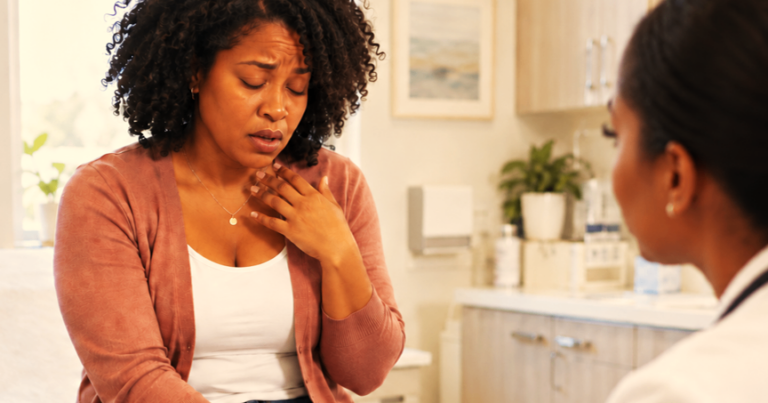
A chronic inflammatory bowel disease, Crohn’s disease impacts millions of Black women worldwide. While symptoms usually present as issues with the digestive tract, there are also less common problems that arise.
In fact, Crohn’s Disease affects Black women differently. These patients are more likely to need hospitalization, more likely to need surgery, and more likely to get diagnosed late when symptoms have already progressed.
From infertility to abscesses, the impacts on Black women cannot be overstated.
Let’s cover eight ways Crohn’s hits the Black woman differently, and what can be done…
A significant issue for any woman of childbearing age, infertility can become more common with Crohn’s. For Black women, it’s even more common. Due to genetic, environmental, and socioeconomic risk factors, the outlook can be distressing. And it’s all due to inflammation. Thanks to the inflammation and scarring common with Crohn’s, Black women may experience issues with their reproductive organs, causing infertility.
The best way to treat this naturally is through consistent exercise, an anti-inflammatory diet, and stress management. Beyond that, medical intervention may always be necessary. Consider working with a team of experts in Crohn’s and women’s reproductive health.
Turns out, Crohn’s Disease isn’t the only thing responsible for bone loss. The treatments for Crohn’s, such as corticosteroids, may also decrease bone density. Over time, this can significantly increase your risk of osteoporosis, made worse by healthcare disparities and misdiagnoses.
For Black women, getting plenty of vitamin D and calcium is crucial. Consider combining supplements with weight-bearing exercises. Moderate, consistent strength training can keep your bones hard while preventing injuries.
Your doctor may even prescribe meds to improve your bone health.
Did you know Crohn’s Disease can mess up your hormones? As a result, these imbalances can lead to irregular menstrual cycles. And for Black women, these impacts may be especially intensified by cultural attitudes toward fertility and motherhood.
The best way to address this is through regular doctor visits. You and your gynecologist can monitor your periods, tweaking things such as diet and exercise if needed. While medications can help adjust hormone levels, stress reduction is also critical. Meditating, mindfulness, and therapy are all helpful for regulating your menstruation.
Because Crohn’s Disease leads to inflammation and immune system problems, it may lead to urinary tract infections. A simple way to address this is by constantly hydrating to excrete bad bacteria. Good hygiene is also important – as always!
Beyond that, ask your doctor about antibiotics and other useful medicines. While potentially painful and distressing, UTIs can be treated effectively when addressed early.
If you haven’t heard of abscesses, you’re not alone. These are pockets of pus triggered by infection. They can be unsightly and bothersome, and unfortunately, are pretty common with Crohn’s Disease. For Black women, delays in diagnosis and treatment may make them even worse.
That’s why early detection and routine checkups are so important. Doctors may perform drainage procedures and prescribe antibiotics to help further. Preventing these infections, however, is the first step. And to do that, it’s all about strengthening the immune system. Eat well, exercise, limit drugs and alcohol, and sleep!
As previously discussed, the inflammation and scarring from Crohn’s Disease can affect the reproductive organs. Even if this doesn’t cause infertility, it can still cause disruptions in normal intimacy and sexual health.
So be honest. Communicate with any partners about potential worries or issues. Don’t be bashful and seek medical professionals if it’s impacting your life. In some cases, psychological counseling may be the answer. If there’s no direct physical basis for issues, cognitive behavioral therapy (CBT) can help!
RELATED: Crohn’s Disease: Causes, RELIEF, & Prevention
According to various studies, Black women report greater pain from Crohn’s Disease than any other race. Unfortunately, Black patients are also less likely to get the care they need, which can exacerbate pelvic discomfort.
To address pelvic pain, make sure to start with gentle exercises. Walking, stretching and yoga have all been shown to ease discomfort. Your doctor can also provide medication, physical rehabilitation, and non-traditional healing modalities (i.e., hydrotherapy).
And as with any disease, look into support networks. You’ll be surprised what nuggets of wisdom or atypical treatments others like you can share!
At the end of the day, Crohn’s Disease is different for every sufferer. Although Black women may face unique challenges and more difficult diagnoses, they are not hopeless. Rather, there are numerous ways anyone with Crohn’s can overcome the symptoms.
Talk with your healthcare providers, speak with family and friends, and tackle this thing once and for all!



By subscribing, you consent to receive emails from BlackDoctor.com. You may unsubscribe at any time. Privacy Policy & Terms of Service.
Enter your name and email to receive the download link.