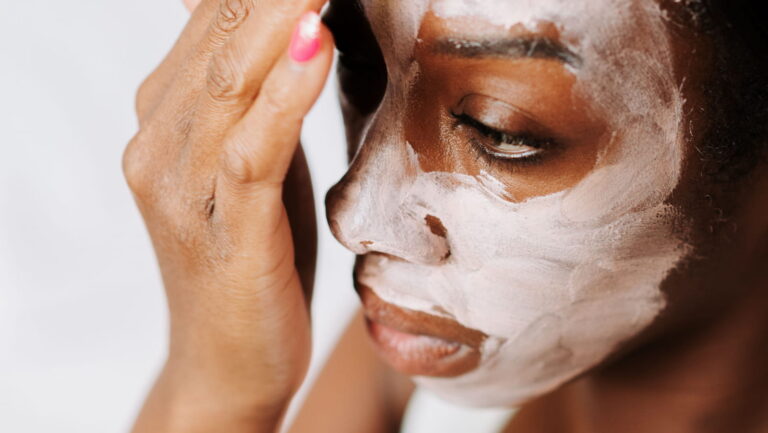
Acne is a prevalent skin condition that affects nearly 10% of the world.
Many factors contribute to the development of acne, including acne-causing bacteria, hormones, blocked pores, and inflammation.
Recent research has proven that diet may play a significant role in acne development.
Read on to find out the 7 foods that can commonly cause acne.
RELATED: Here’s What’s Causing Your Adult Acne & How To Treat It

People with acne tend to consume more refined carbohydrates than people with little or no acne.
Refined carbohydrates include:
Eating lots of refined carbohydrates may increase blood sugar and insulin levels, therefore contributing to the development of acne.
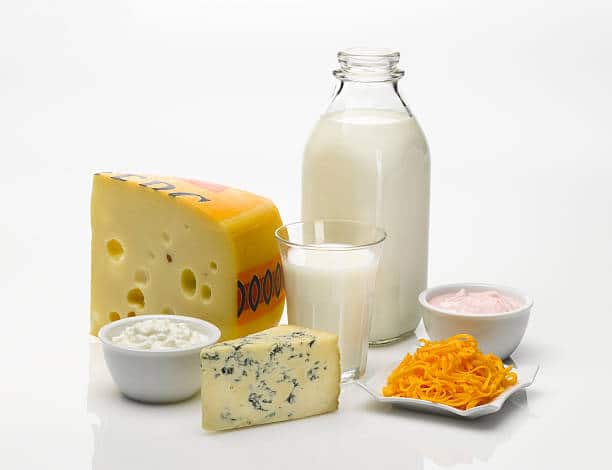
Many studies have found a link between milk products and acne severity, especially in teenagers. Young adults who regularly consume milk or ice cream are potentially four times more likely to suffer from acne.
It is not yet clear how milk may contribute to the formation of acne, but there are several theories.
Milk is known to increase insulin levels, which may worsen acne severity.
Cow’s milk also contains amino acids that stimulate the liver and are linked to the development of acne.

Acne is commonly associated with Western-style diets rich in calories, fat, and refined carbohydrates.
Fast foods like burgers, nuggets, hot dogs, French fries, sodas, and milkshakes may increase acne risk.
High-fat diets are associated with an increased risk of developing acne – regularly eating fast food further increases that risk.
It is unclear why eating fast food may increase the risk of developing acne, but some researchers propose that it may alter hormone levels in a way that promotes acne development.

Diets containing large amounts of omega-6 fatty acids like corn and soy oils have been linked to increased levels of inflammation and acne.
An imbalance of omega-6 and omega-3 fatty acids may push the body into an inflammatory state, worsening acne severity.
Supplementing with omega-3 fatty acids may reduce levels of inflammation and has been found to reduce acne severity.

Chocolate has long been a suspected acne trigger.
Acne-prone males who consume 25 grams of 99% dark chocolate daily have increased acne lesions after just two weeks.
Exactly why chocolate may increase acne is unclear, although it is believed that eating chocolate increases the immune system’s reactivity to acne-causing bacteria.

Whey protein is a popular dietary supplement rich in leucine and glutamine – two amino acids that make skin cells grow and divide more quickly, which may contribute to the formation of acne.
The amino acids in whey protein can also stimulate the body to produce higher levels of insulin, which has been linked to the development of acne.
Acne is, at its root, an inflammatory disease. Anti-inflammatory drugs, like corticosteroids, are effective treatments for severe acne.
Food may contribute to inflammation through food sensitivities.
Food sensitivities occur when your immune system mistakenly identifies food as a threat and attacks it. This results in high levels of inflammatory molecules in the body, which may aggravate acne.
The best way to figure out your food triggers is by completing an elimination diet under the supervision of a registered dietitian or nutrition specialist.
Elimination diets temporarily restrict the number of foods in your diet to eliminate triggers and achieve symptom relief.
Some foods and nutrients may help to keep your skin clear. These include:
READ: Here’s What’s Causing Your Adult Acne & How To Treat It


By subscribing, you consent to receive emails from BlackDoctor.com. You may unsubscribe at any time. Privacy Policy & Terms of Service.