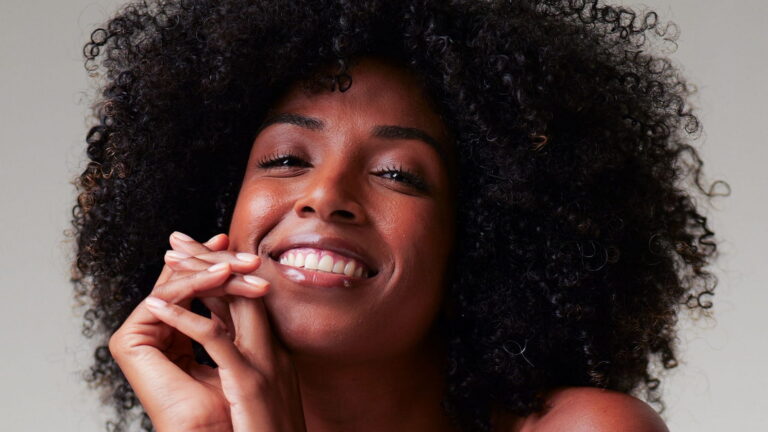
For many Black women, booking a salon appointment involves more than choosing a convenient location or finding a stylist within budget. It often comes with a question that many of our non-Black friends have never had to ask: Does this person actually know how to care for my hair?
There have been many times in my life when I’ve walked into salons feeling hopeful and left absolutely disappointed. I’ve sat in chairs where I was asked questions that suggested the stylist had little experience with textured hair. I’ve worried about excessive heat, improper product recommendations, use of chemicals, and whether someone understood the difference between caring for coily hair and simply styling it. Those experiences are not unique to me. They’re part of a reality many Black women have navigated for years.
That is why New York’s decision to require textured hair education in cosmetology programs feels significant. It acknowledges something Black women have long known: understanding textured hair should not be considered a specialty skill. It should be a standard part of beauty education.
Starting in fall 2026, beauty schools across New York will be required to include instruction on textured hair as part of the training students complete before pursuing professional licensure. Rather than treating curly, coily, and tightly textured hair as an elective topic, the state is making it a foundational component of cosmetology education.
The updated training is intended to help future stylists develop a stronger understanding of diverse hair textures and the techniques commonly used to care for them. Students will learn skills related to natural hair care, textured styling, and other services that many Black clients regularly seek.
While this may sound like a simple curriculum update, it represents a much larger shift in how the beauty industry views hair education. For decades, many aspiring stylists graduated with limited exposure to the needs of textured hair clients. This new requirement recognizes that serving a diverse population requires a more inclusive approach to training.
For years, many Black women have needed to do extensive research before trusting a new salon. We scroll through portfolios, search social media, read reviews, and ask friends for recommendations because experience has taught us that not every licensed stylist has been trained to work with our hair.
The challenge has never been that textured hair is too difficult to learn, but that beauty education has not always prioritized teaching it.
As a result, many Black women have experienced everything from uneven cuts and damaged curls to awkward consultations where stylists openly admitted they lacked confidence working with textured hair. When those experiences happen repeatedly, they can create a sense of anxiety around something that should be routine.
Hair is deeply personal. It is connected to identity, culture, self-expression, and confidence. Walking into a salon should feel exciting, like an act of self-care, not an experience that triggers insecurity, anxiety, or uncertainty.
This policy will not transform every salon overnight. Current professionals are not suddenly being retrained, and meaningful change takes time. However, it has the potential to change the experience for future generations of clients.
As newly trained stylists enter the workforce with a broader understanding of textured hair, more clients may feel comfortable exploring salons outside of the limited list of specialists they have traditionally relied on. Better education can lead to better consultations, more informed recommendations, and services that reflect the unique needs of different hair textures.
Perhaps most importantly, it can help build trust and inclusivity.
When clients feel seen, understood, and respected, they are more likely to return, recommend businesses to friends, and establish long-term relationships with a wider variety of beauty professionals.
This initiative is a major benefit for clients and professionals alike. Stylists who receive comprehensive training are better prepared to serve a wider range of customers, expand their expertise, and grow their businesses. In a state as diverse as New York, that knowledge is essential for the highest level of salon success.
For Black women, this policy feels like an acknowledgment of concerns we’ve voiced for years. It recognizes that our experiences in salons matter and that textured hair deserves the same level of attention and expertise as any other hair type.
The beauty industry still has work to do, but this is an important step forward. My hope is that one day Black women won’t have to wonder whether a stylist knows how to care for their hair. Instead, we can walk into any salon with confidence, knowing that the education behind the chair reflects the diversity of the people sitting in it.

By subscribing, you consent to receive emails from BlackDoctor.com. You may unsubscribe at any time. Privacy Policy & Terms of Service.