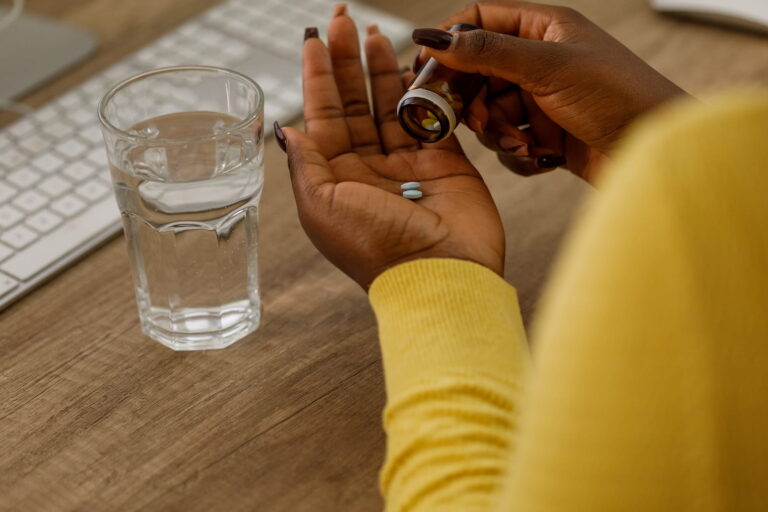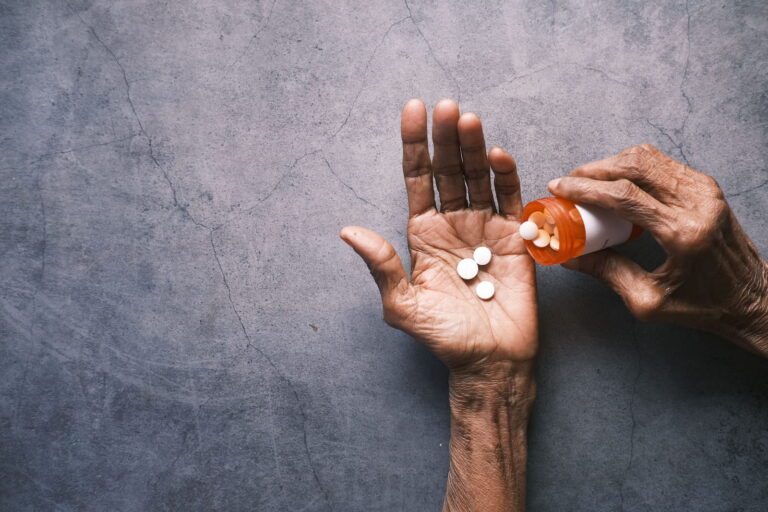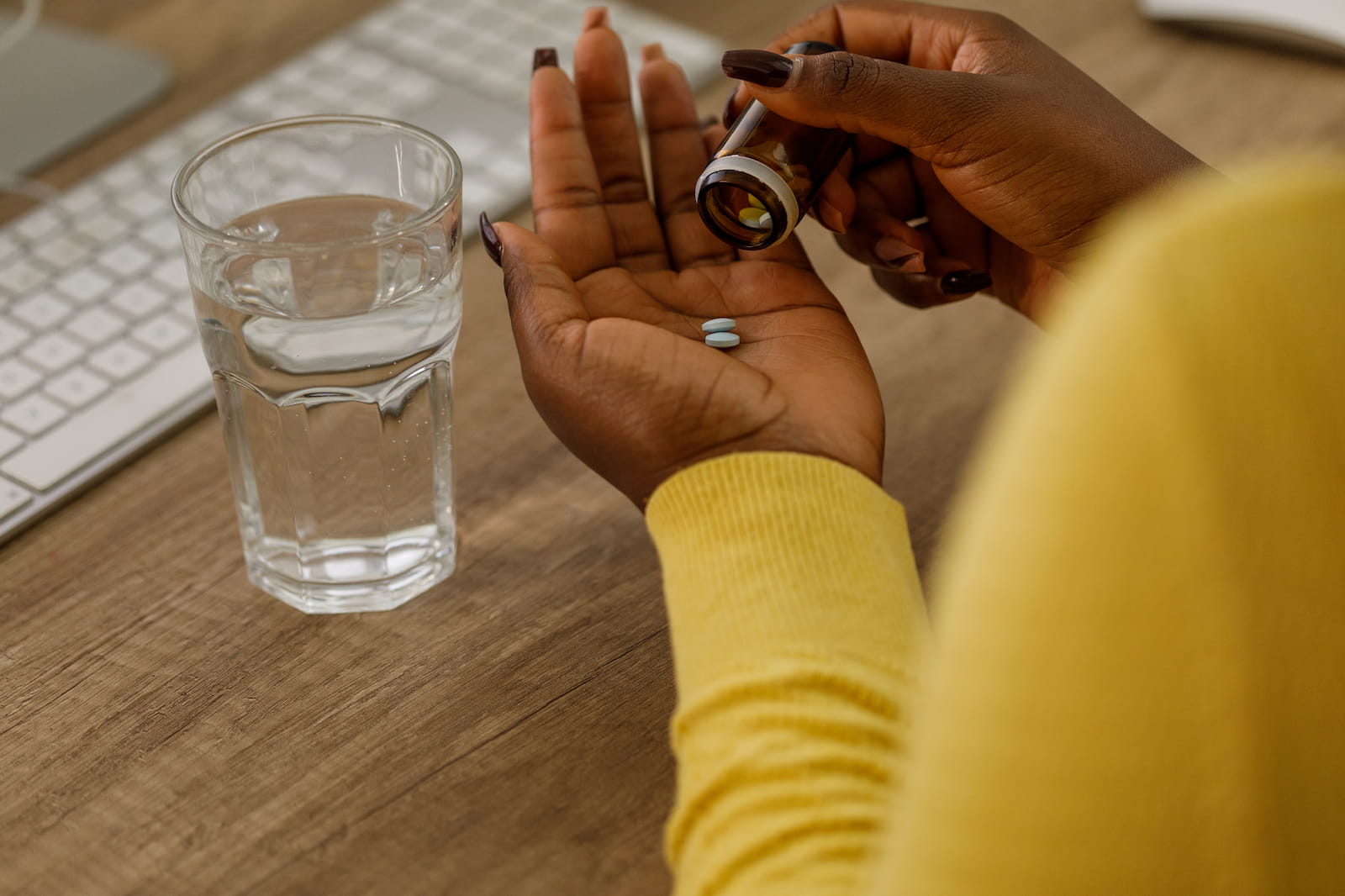
Do you take a calcium chew or a vitamin D softgel every morning without a second thought? If you started because a doctor, a pharmacist, or your mama told you it would keep your bones strong, you’re in good company. Millions of older adults treat these supplements as bone insurance. A major 2026 review asks whether that insurance pays out.
The review, published in The BMJ, pooled 69 randomized trials and 153,902 adults. For most older adults living independently, calcium alone, vitamin D alone, or the two combined offered little to no clinically meaningful reduction in fractures or falls. That finding challenges one of the most routine pieces of health advice out there.
Your bones still matter deeply as you age. Take a moment to look at what the evidence supports and decide whether your supplement routine still earns its spot on the counter.
A team of Canadian researchers gathered every randomized trial they could find that compared calcium, vitamin D, or both against a placebo or no treatment. They only included adults who weren’t already taking medication for osteoporosis. The main question was simple: did the supplements lower the chance of breaking any bone? They also looked at hip fractures, spine fractures, and falls.
Most of the people in these trials lived at home and weren’t considered high risk for fractures or falls. That describes a lot of us in our 50s, 60s, and 70s who manage our own households, drive ourselves to appointments, and take a supplement because it seemed like the responsible thing to do.
Here’s what the researchers reported:
The results held for hip fractures, which are among the most dangerous breaks as we age, and for falls. Based on this, the authors concluded their findings don’t support routine supplementation to prevent fractures and falls.
Before looking at the results, they agreed on how large a benefit would need to be to matter to real patients, measured by the actual drop in how many people broke a bone. None of the supplement approaches cleared it. The calcium-and-vitamin-D combination was tied to a slightly lower fracture risk, but the difference was too small to count as a real-world benefit. Judging results this way makes the review rigorous and harder to dismiss.
The logic behind these supplements makes sense. Bone is built largely from calcium, and vitamin D helps your gut absorb it. When vitamin D runs severely low, children can develop rickets, and adults can develop soft, weak bones. So more of both sounded like a straightforward way to keep a skeleton strong.
Some of the early research was encouraging, too. A well-known French trial in the early 1990s gave calcium and vitamin D to older women living in nursing homes and saw fewer hip fractures. Those women were frail, often deficient, and rarely outdoors. Over time, advice from that group spread to nearly everyone over 50.
Meanwhile, the evidence for healthy adults living at home kept coming back weak. Back in 2018, the U.S. Preventive Services Task Force recommended against daily doses of 400 IU or less of vitamin D and 1,000 mg or less of calcium for postmenopausal women living in the community. For higher doses, and for men and premenopausal women, the Task Force said the evidence was too thin to call. It also found that taking the two together slightly raises the risk of kidney stones.
Still, the habit stuck. Supplements are cheap, easy to find, and feel proactive. Taking one feels like doing something for your future self, and that feeling is powerful. The 2026 review asks us to hold that feeling up against the data.
RELATED: 7 Questions to Ask Before Buying One More Supplement
Calcium and vitamin D remain essential nutrients. The review answered a narrower question: whether adding pills on top of everyday life prevents breaks in people who aren’t deficient or at high risk. For some people, a supplement still has a clear role. That may include you if:
The standard check is a blood test called 25-hydroxyvitamin D. It’s worth asking about and understanding what your number means for your body specifically. Melanin slows how much vitamin D our skin makes from sunlight, so Black Americans often get flagged as low. But a study in the New England Journal of Medicine found that Black participants had lower total vitamin D and lower levels of the protein that carries it, which left them with similar amounts of usable vitamin D and higher bone density than white participants. The researchers suggested that a low total number may not always signal a true deficiency. A single lab value is a starting point for a conversation with your doctor, and your full picture should guide the next step.
Many of us grew up hearing that Black folks have strong bones and don’t need to worry about osteoporosis. On average, bone density does run higher. That average can hide real risk for an individual woman, and the belief has shaped care.
Research shows Black women are screened for osteoporosis less often than white women, and those who break a hip face nearly twice the risk of dying afterward. For a lot of us, the more important question may be when you last had a bone density scan, rather than which supplement to buy.
Bone is living tissue. It responds to the demands you place on it, rebuilding where it’s challenged and thinning where it isn’t. That’s why movement keeps coming up in research on stronger bones and fewer falls.
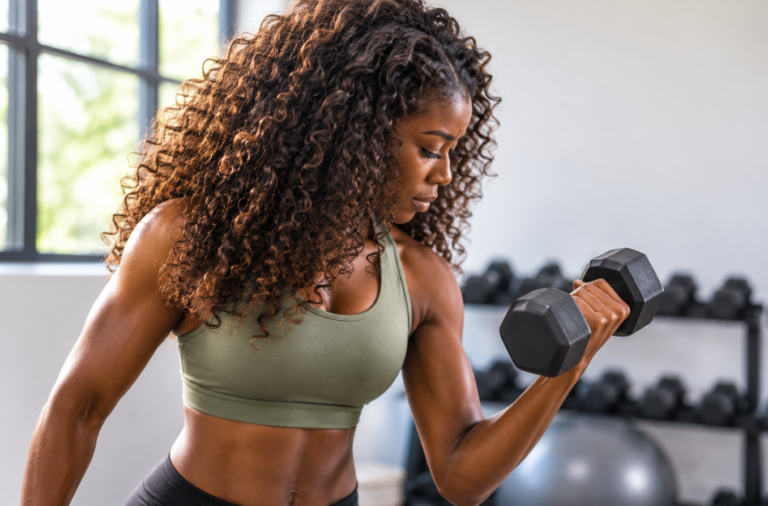
In Australia’s LIFTMOR trial, postmenopausal women with low bone mass did supervised, high-intensity strength and impact training for 30 minutes twice a week. After eight months, they had better bone density at the spine and hip and stronger physical performance, while the group doing gentle home exercise lost ground or held steady. A follow-up analysis found the heavier training didn’t cause spine fractures, a common worry. If lifting is new to you, start with a trainer or physical therapist who can build you up safely. Squats to a chair, wall push-ups, and resistance bands are all fair game on day one.
Most hip fractures start with a fall, so balance training may protect your bones as much as anything you swallow. About 27 percent of adults 65 and older report a fall each year. In 2024, the U.S. Preventive Services Task Force recommended exercise programs to prevent falls in adults 65 and older at higher risk. Tai chi, a gentle yoga class that works balance, or standing on one foot while you brush your teeth all build the steadiness that keeps you on your feet.
Walking, climbing stairs, and dancing load your bones with your own body weight. Those church steps count. So does the Electric Slide at the next family reunion. Aim for movement you’ll repeat most days, because your skeleton responds to consistency.
Strong muscles steady your balance and cushion you if you do fall. Many older adults eat less protein than they did when they were younger, which makes muscle mass harder to maintain. Spread protein across your meals with foods like eggs, beans, fish, chicken, and Greek yogurt.
Food can also cover much of your calcium and vitamin D. Collard and turnip greens, canned salmon or sardines, yogurt, and fortified plant milks provide calcium. Fatty fish, egg yolks, and fortified foods add vitamin D. Getting nutrients from your plate also brings fiber, other minerals, and flavor that a pill can’t match.
Before you toss the bottle or buy a new one, make it a conversation. Bring your supplements to your next appointment, or snap a photo of the labels, so your doctor can see exactly what you take and how much. Then ask:
That last question matters. Calcium can interfere with how well some medications are absorbed, including certain thyroid medications and antibiotics. And if your doctor prescribed calcium or vitamin D alongside an osteoporosis treatment, keep taking it until the two of you decide otherwise.
You may walk out with permission to drop a pill you never needed. You may learn yours is doing important work. Either way, you’ll be making the choice on purpose, based on your body and your numbers.
The habits that protect your bones are ones you can start this week. A 20-minute walk most days beats the perfect gym plan you never start. A few squats to a chair while the coffee brews count. So does standing on one foot at the bathroom sink. You have everything you need to keep your bones strong and your feet steady for years to come.


By subscribing, you consent to receive emails from BlackDoctor.com. You may unsubscribe at any time. Privacy Policy & Terms of Service.