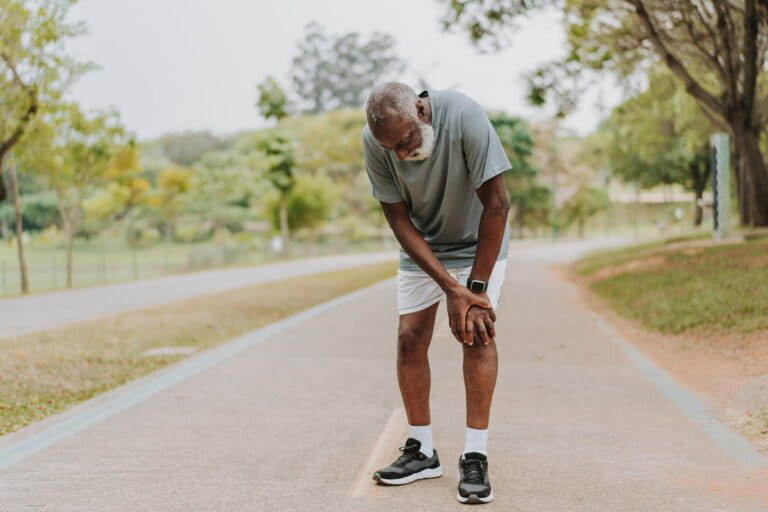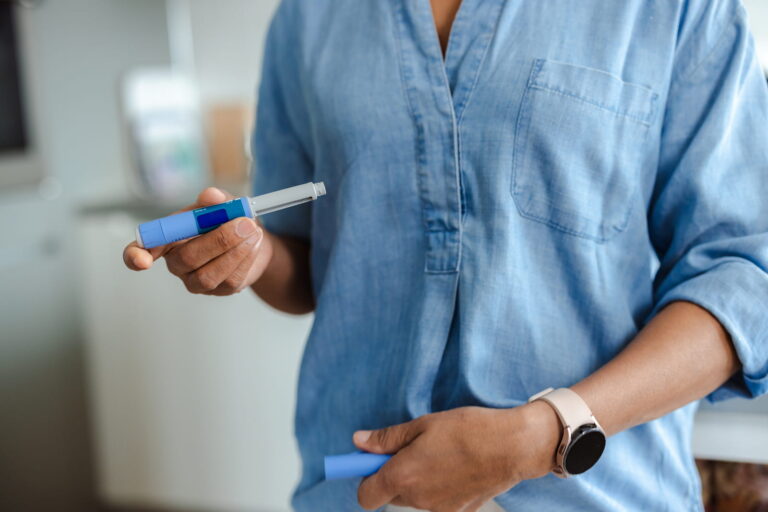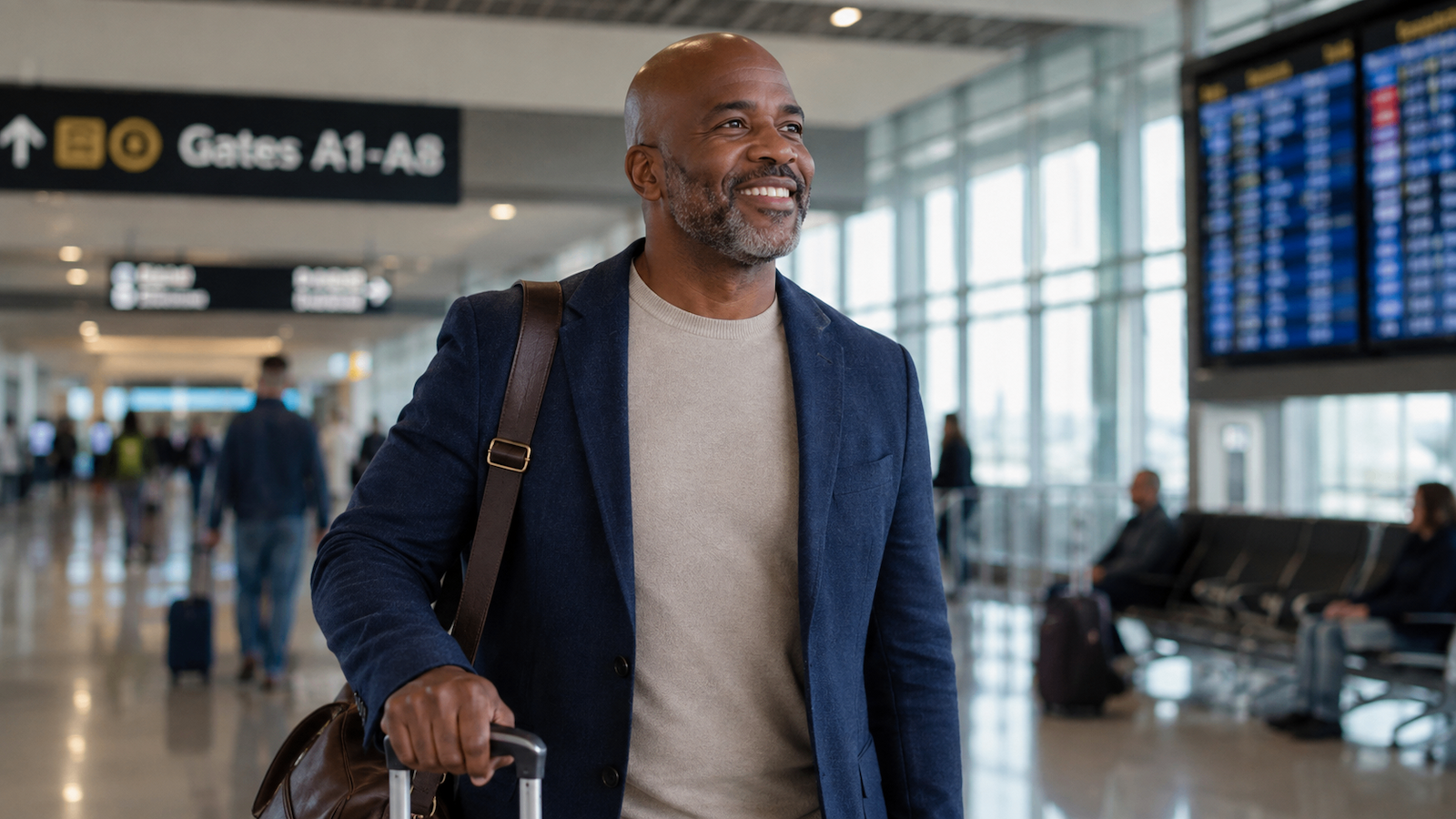
For many men, finishing prostate cancer treatment comes with a mix of emotions: relief that treatment is over, gratitude for making it through surgery, radiation, hormone therapy, or another treatment plan, and hope for the future.
But there is often something else, too: uncertainty. Many men wonder when life will feel normal again.
Can I travel?
Can I sit on a plane for hours?
What if I need the bathroom constantly?
What if I’m still dealing with fatigue?
What happens if I have a catheter?
Will traveling be more stressful than it’s worth?
These questions are incredibly common. The good news is that many prostate cancer survivors successfully return to traveling, whether that’s visiting family, taking vacations, traveling for work, or finally taking the retirement trip they’ve been dreaming about. The adjustment may require some planning, but treatment does not automatically mean the end of independence.
In fact, many men in prostate cancer support communities report that getting back to travel was an important part of feeling like themselves again. Discussions from the ZERO Prostate Cancer community highlight that many men successfully resume domestic and international travel after treatment with a few practical adjustments.
One of the biggest barriers to travel after prostate cancer treatment isn’t physical. It’s psychological. Many men spend weeks, even months, imagining everything that could go wrong: What if I can’t find a bathroom? What if I get exhausted? What if symptoms flare up? What if I have an accident?
These concerns are understandable. Treatment can change your relationship with your body, and things that once felt automatic may require more thought and planning. But many survivors report that their confidence grows quickly after their first trip. Often, the anticipation is far more stressful than the actual experience.
According to the American Cancer Society, returning to activities you enjoy can be an important part of emotional recovery and quality of life after cancer treatment. The goal isn’t pretending challenges don’t exist. It’s learning how to navigate them confidently.
For men recovering from prostate surgery, traveling with a catheter may be a temporary reality. The idea can feel intimidating, but many men successfully travel short distances while using one. The key is preparation.
Experienced patients often recommend wearing:
UCLA Health notes that understanding catheter care and having backup supplies available can reduce anxiety during recovery. If you’re planning a longer trip while using a catheter, it’s worth discussing specific travel plans with your healthcare team first. Every recovery timeline is different.
One of the most common concerns after prostate cancer treatment is urinary urgency. Many men experience temporary urinary changes following surgery or radiation, including increased frequency, urgency, leakage, and nocturia, or frequent nighttime urination. While symptoms often improve over time, travel may require some adjustments.
Many experienced travelers recommend choosing aisle seats on airplanes, researching rest stops during road trips, locating airport bathrooms before boarding, using restroom finder apps, and booking accommodations with easy bathroom access.
The National Association for Continence offers resources for people managing urinary symptoms while maintaining active lifestyles. Planning doesn’t mean you’re limited. It means you’re prepared.

Air travel creates a unique set of concerns, including long periods of sitting, security screenings, limited access to bathrooms, and fatigue. The good news is that most men can fly safely after treatment once cleared by their healthcare team.
Frequent travelers recommend several simple strategies: choose an aisle seat whenever possible, stand and stretch periodically during longer flights, stay hydrated, avoid excessive alcohol, wear comfortable clothing, and allow extra time at the airport. Many survivors also suggest booking direct flights when possible to reduce stress and minimize disruptions.
RELATED: Flying With a Catheter? Here’s Honest Advice From Men Who’ve Done It
One of the most surprising side effects for many prostate cancer survivors is fatigue. Even after treatment ends, energy levels may not immediately return to normal. Cancer-related fatigue can persist for months and sometimes longer following treatment. This can be particularly noticeable during travel. Vacations often involve walking more, sleeping differently, changing routines, managing logistics, and being constantly active. Many men discover they need to pace themselves differently than they did before treatment.
That doesn’t mean staying in the hotel room. It means building recovery time into the schedule. Consider planning one major activity per day, scheduling breaks, taking afternoon rest periods, and avoiding overly packed itineraries. Many survivors report enjoying trips more when they stop trying to do everything.
RELATED: 7 Things To Expect After Prostate Cancer Surgery
Ask prostate cancer survivors what they would pack differently, and you’ll hear similar answers. Some commonly recommended travel items include extra medications, incontinence products if needed, a change of clothes, travel-size toiletries, a summary of medical records, the doctor’s contact information, a water bottle, comfortable walking shoes, and copies of prescriptions.
Many men intentionally drink less water while traveling because they’re worried about access to bathrooms. Unfortunately, this strategy can backfire. Dehydration can contribute to fatigue, dizziness, constipation, urinary irritation, and general discomfort.
The American Cancer Society recommends maintaining hydration during recovery and while traveling. Rather than avoiding fluids entirely, many survivors find it helpful to drink consistently throughout the day while remaining aware of restroom availability. Hydration supports recovery and often improves overall comfort.
For some men, driving feels easier than flying after treatment because you control the schedule, choose the stops, and can adjust plans if needed. But road trips still benefit from preparation.
Many survivors recommend mapping rest stops in advance, stretching every couple of hours, packing snacks and water, bringing medications within reach, and avoiding marathon driving days. Prolonged sitting can increase stiffness and fatigue. Regular breaks help improve circulation and comfort. The journey may take slightly longer. But it often feels much more manageable.
What many people don’t talk about is the emotional significance of that first trip after treatment. For some men, it feels like proof that life is moving forward, that they are more than a diagnosis, and that cancer has not taken away their freedom.
Many survivors describe feeling nervous before traveling again, then surprised by how normal it felt once they got there. Travel often becomes a reminder that recovery isn’t just about medical outcomes. It’s also about reclaiming experiences that bring joy. Whether that’s a weekend getaway, a family reunion, a fishing trip, or an international vacation, these moments matter.
RELATED: How To Have A Healthy Sex Life After Prostate Treatment
Before booking a major trip, consider discussing a few questions with your provider:
Having answers beforehand can provide valuable peace of mind. Prostate cancer treatment may change how you travel for a while. You may need to think more about bathrooms, plan for fatigue, pack extra supplies, and adjust your expectations. But treatment does not mean giving up travel, independence, or adventure.
Thousands of prostate cancer survivors continue to fly, drive, cruise, hike, visit family, and explore the world after treatment. The key is preparation, flexibility, and giving yourself grace as your body continues to heal.



By subscribing, you consent to receive emails from BlackDoctor.com. You may unsubscribe at any time. Privacy Policy & Terms of Service.
Enter your name and email to receive the download link.