Many Americans consider spring cleaning to be an annual staple. In fact, Statista reports that about 80 percent of Americans say they spring-clean their homes every year, while only six percent say they never do. Despite how many people vow to thoroughly clean, some spots may still be missed. Whether you’ve already jumped into your spring cleaning or you’re making plans to start, here are a few areas to look out for. Taking care of them will bring your home to a whole new level of cleanliness.

Deep cleaning kitchen appliances like your oven and refrigerator is often overlooked because the surfaces look clean. However, the experts recommend going the extra mile to remove dust, debris, and buildup. With your oven, start with the self-cleaning function if it has one. You can then use soap and water to remove what the cycle missed. If it doesn’t have one, soap and warm water can help. Don’t forget to remove the knobs and soak them in warm, soapy water, and thoroughly clean the glass door.
For your refrigerator, you’ll want to pay close attention to the inside and the outside. Usually, both areas can be cleaned with soap and water, but check the appliance’s instructions to be sure. Removing dust from the refrigerator’s coils can also help to keep it running efficiently.
RELATED: 8 Tips To Spring Clean Your Kitchen

You might not think about your drains much, but they can get clogged over time. Some items, such as oils, hair, and food debris, can build up over time, making your drains inefficient and smelly. It can help to pour a little baking soda and vinegar down them, followed by some boiling water. If this doesn’t help, the issue may require a plumber’s attention.
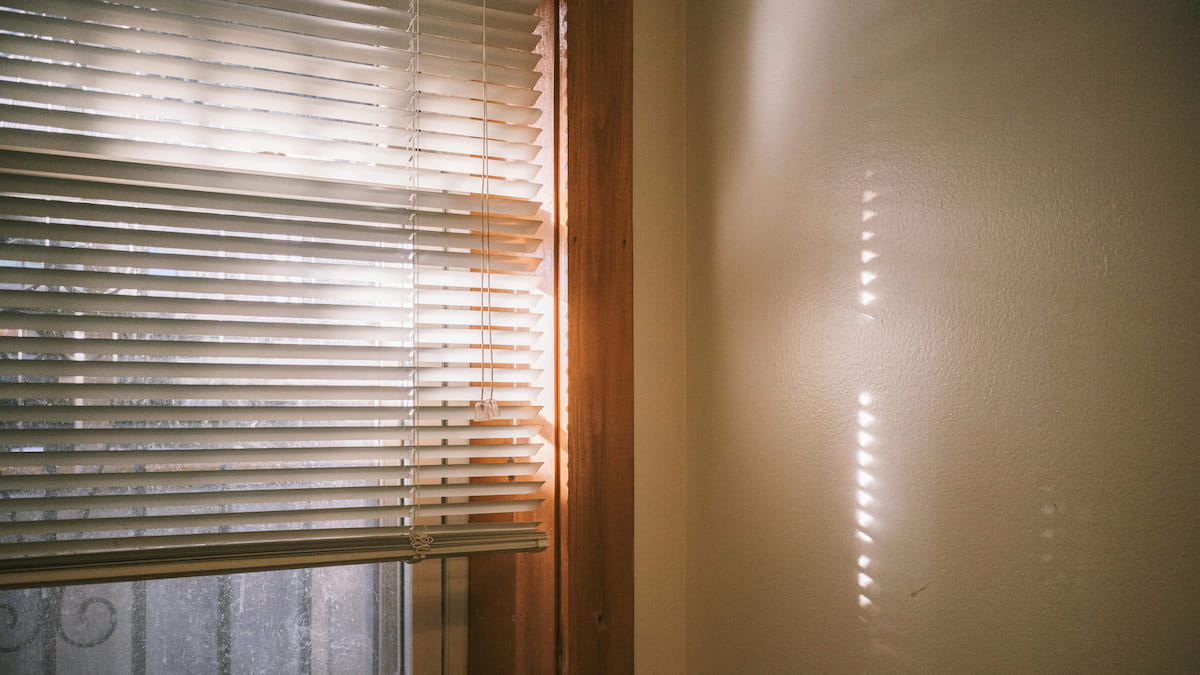
You may have remembered to clean your windows, but what about the blinds and sliding tracks? These areas can easily accumulate dust and debris. Depending on where you live, the sliding track may have a residue that seems oily to the touch. The best way to clean these is with soap and water.
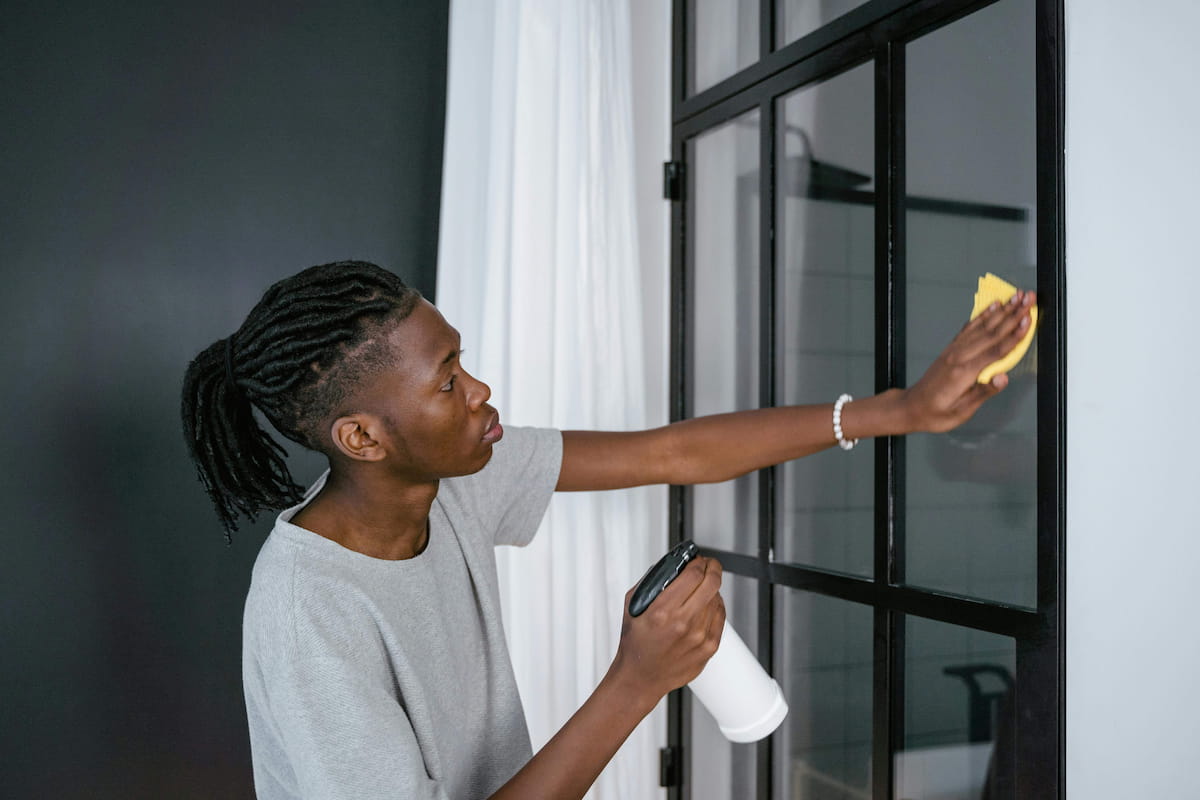
While you’re cleaning your windows, don’t forget about the outside. That’s the part that faces the worst of the elements. Over time, the exterior of your windows can accumulate dust, debris, pollen, pet dander, and other particles that may affect how well you can see outside. A good window-washing solution should be able to handle it.
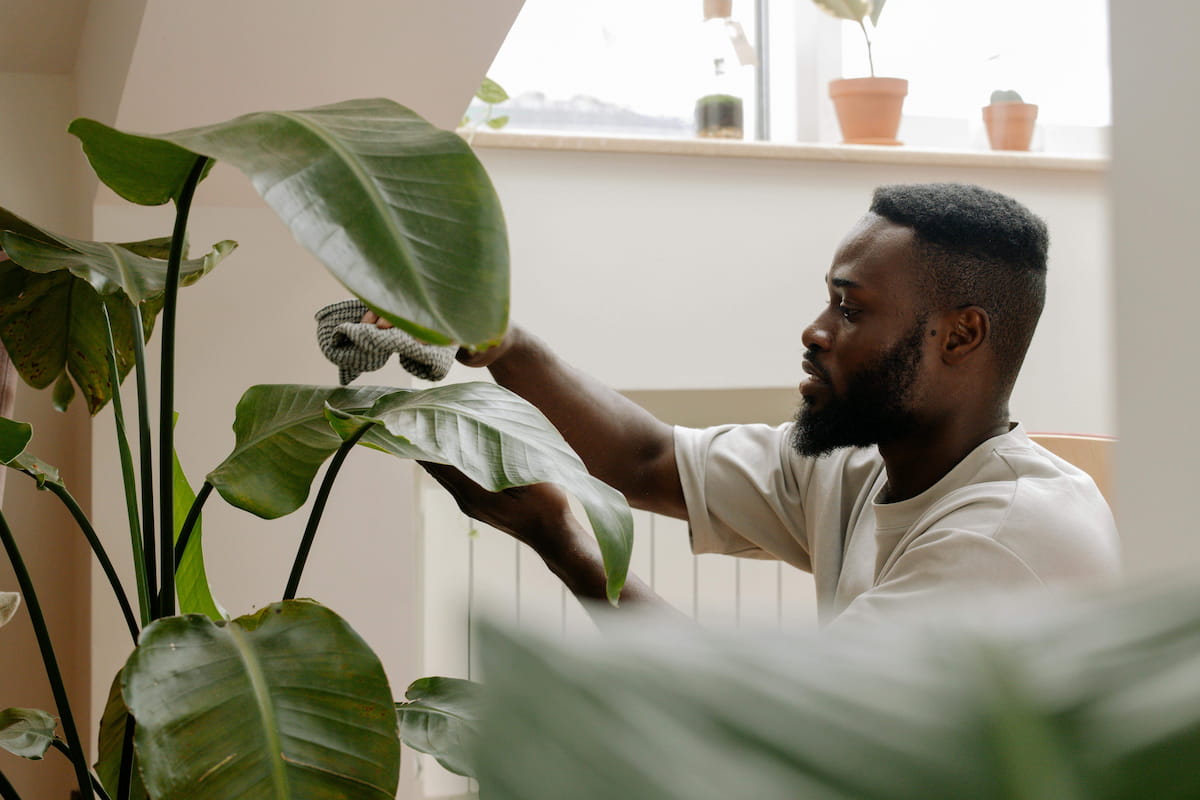
Plants usually need dirt to grow, but that doesn’t mean allowing dust and debris to settle on their leaves is a good idea. Not only can this affect how well they thrive, but it can also contribute to poor air quality. A microfiber cloth or duster can help clean them up, since some plants don’t do well if their leaves get wet.
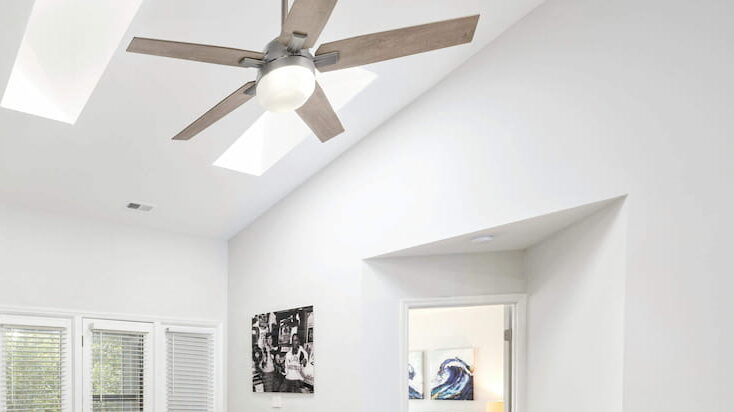
Sometimes, people assume their ceiling fan is clean because the part of the blades that faces them doesn’t look dirty. If you look at the top of the blades, though, you’ll likely find a different story. Dust and debris can build up on that section of the blades, so you need to get up there and wipe it off.

Remote controls are one of those items that everyone touches and then never thinks about. Unfortunately, studies show that remote controls can harbor even more bacteria than your toilet seat because they’re rarely – if ever – cleaned. To clean your remote, remove the batteries and wipe it down with a soft cloth that’s been soaked in diluted bleach or disinfectant. Rinse the cloth and then use it to wipe the remote again to remove any chemical residue.

You might not think your shower curtain can get dirty, but it’s important to remember that any dirt you remove in the shower can splash onto the curtain. If you’re showering with hard water, this can also lead to mineral buildup on your shower curtain. Finally, the bathroom’s moist environment also encourages the growth of microorganisms, such as bacteria and mold, which can be harmful to your health. Cleaning your shower curtain generally means using a soapy sponge. If it’s machine washable, then you can also wash it in your washing machine.
RELATED: Spring Clean Without The Chemicals! Use These 8 Natural Cleaners Instead
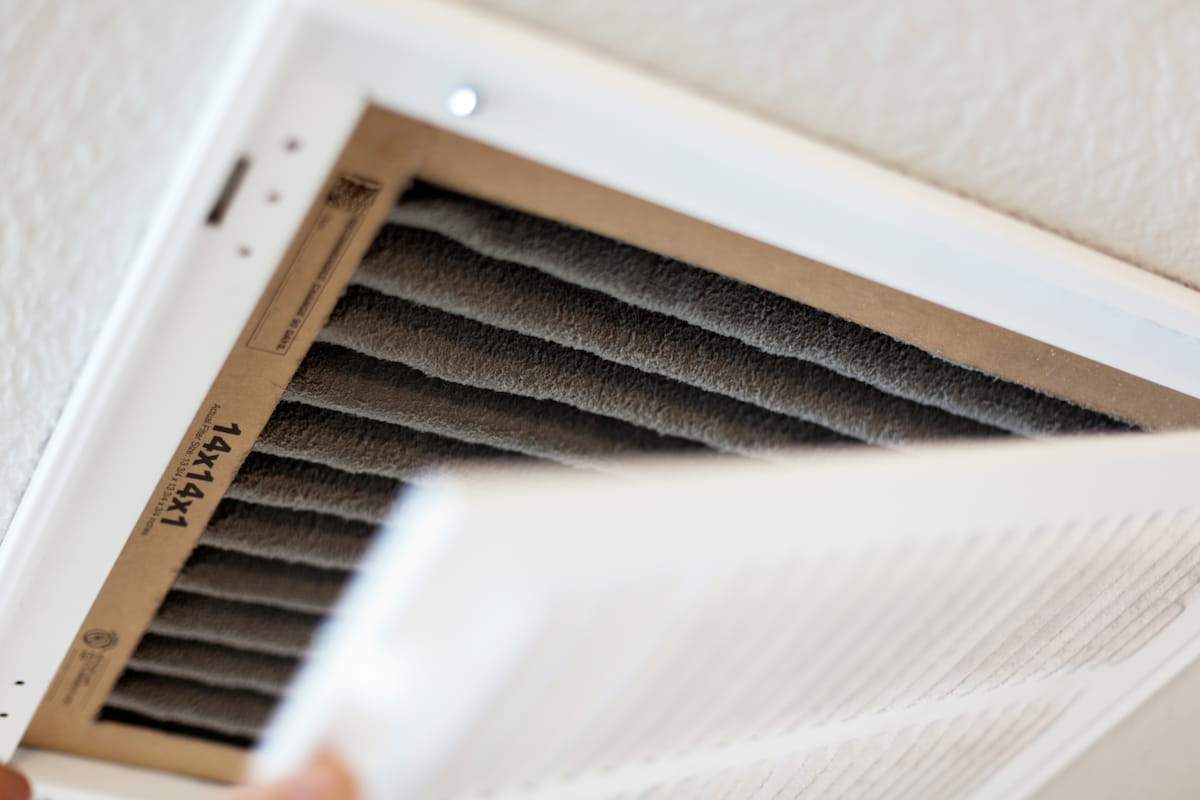
Depending on your home, you may need to replace a variety of filters. This can include the air filters in your ventilation system, water filters, and the filters in your dishwashing and washing machines. These filters usually accumulate a lot of dirt, debris, and residue, which can make them less effective, so you need to replace them before they start affecting your health.
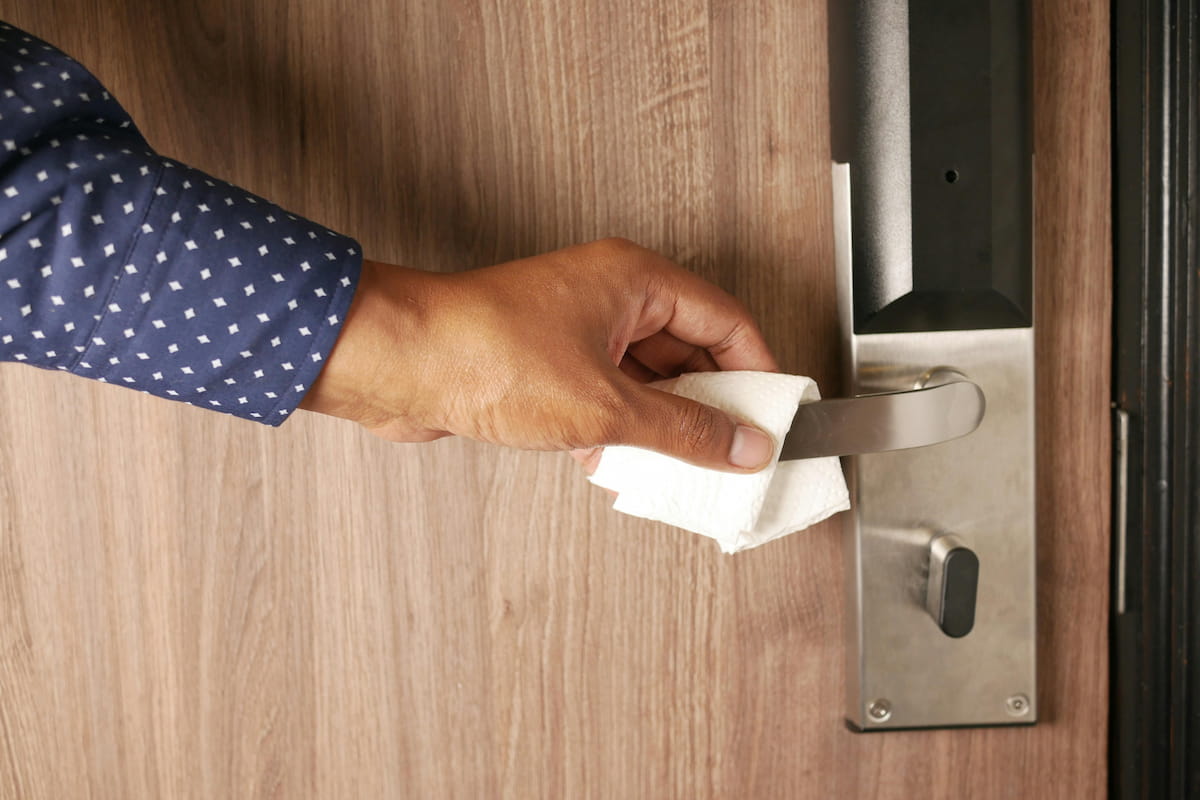
Door knobs are among the dirtiest areas in your home, and yet, few people ever think to clean them. They’re touched multiple times per day, and microorganisms can linger for hours after someone with dirty hands has held them. Soap and water, followed by disinfectant, are highly effective for cleaning your doorknobs.
As you might expect, doing an annual spring cleaning can vastly improve your home’s air quality. Cleaning can remove irritants such as dust, dirt, debris, chemical buildup, and pet dander that can worsen chronic respiratory conditions like asthma and COPD. They can also make you more prone to respiratory illnesses.
The good thing about going even deeper into your cleaning is that you can get rid of irritants you wouldn’t expect. Some of the areas that aren’t cleaned often are known to accumulate debris just as badly as the areas you can see. They can be the reason that some people feel sick but can’t pinpoint the cause.
Additionally, some areas you neglect can count as clutter. When your home is cluttered, you’re more likely to have problems with episodes of depression and stress. With some clutter gone, you’ll also reduce the number of trip hazards in your home.


By subscribing, you consent to receive emails from BlackDoctor.com. You may unsubscribe at any time. Privacy Policy & Terms of Service.