Diabetes is a chronic condition affecting millions of people worldwide, and it disproportionately impacts Black Americans. While most people are aware of diabetes’ impact on their overall health, fewer understand how it can silently harm their vision. Diabetic retinopathy—the most common eye disease associated with diabetes—is the leading cause of blindness in working-age adults.
The good news? Early detection through regular eye screenings can prevent up to 95 percent of vision loss caused by diabetic retinopathy. As Dr. Joseph M. Coney, MD, FACS, FASRS points out, “All of this is preventable as long as you get a properly timed, valid eye exam and get diagnosed and treated appropriately.”
This article will explain why eye screenings are crucial, how diabetic retinopathy develops, and what you can do to protect your vision.
RELATED: Diabetic Retinopathy vs. Diabetic Macular Edema: What’s the Difference?
Diabetic retinopathy occurs when high blood sugar damages the small blood vessels in the retina, the light-sensitive tissue at the back of the eye. Over time, these vessels can swell, leak, or become blocked, disrupting the retina’s ability to function.
Dr. Coney explains:
The condition typically progresses through four stages, from mild early damage to advanced proliferative diabetic retinopathy, where abnormal blood vessels grow and leak blood, potentially causing blindness.
RELATED: 6 Warning Signs of Diabetes Complications You’re Overlooking
One of the biggest challenges with diabetic retinopathy is its silent progression. In the early stages, there are no noticeable symptoms. “The problem,” Dr. Coney notes, “is that people don’t come in for diabetic screenings until it’s too late. By the time they see a doctor for blurred vision or floaters, the damage may already be done.”
Here are three key reasons why screenings are essential:
The American Diabetes Association (ADA) recommends:
Unfortunately, about 50 percent of people with diabetes don’t follow these guidelines. This gap in care disproportionately affects underserved communities, especially Black Americans.
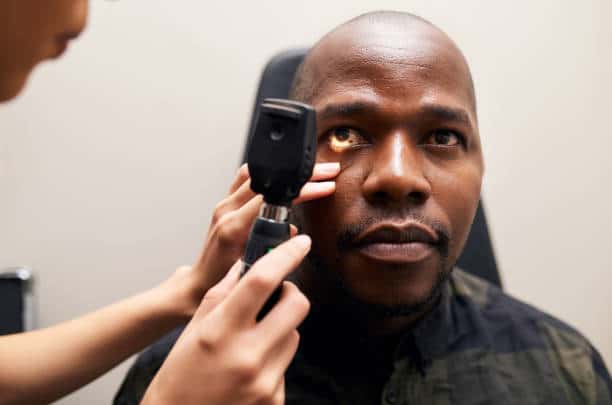
An eye screening for diabetic retinopathy is quick, painless, and provides critical information about your eye health. Dr. Coney emphasizes the importance of a dilated eye exam, which allows doctors to examine the retina in detail:
Screening is not just about diagnosis; it’s a critical step in creating a plan to protect your vision.
If diabetic retinopathy is detected, timely treatment can prevent further damage and, in some cases, restore vision. Common treatments include:
However, Dr. Coney stresses that prevention is the best strategy.
“The most important part of managing diabetic eye disease is early detection. Once vision is lost, we can stabilize it, but we can’t always make it better. That’s why screenings are so crucial.”
Diabetes and diabetic retinopathy disproportionately affect Black Americans, yet many individuals don’t receive timely eye screenings. Dr. Coney highlights the need for improved education and outreach:
“We haven’t done a good enough job of saying, ‘If you have diabetes, just go get your eyes checked.’ It’s that simple. If you come in for regular screenings, I can prevent you from going blind.”
He also notes systemic barriers, such as access to care and lack of awareness:
“People are often compliant with their medical doctors but don’t see an eye doctor until 10–15 years later. Why is this still happening in America?”
By raising awareness about the importance of diabetic eye screenings, we can empower communities to take control of their health.
RELATED: Diabetic Eye Disease: 4 Stages To Protect Your Eyes
Taking care of your eyes starts with these steps:
Diabetic retinopathy is a serious but preventable condition. As Dr. Coney puts it, “If you have diabetes, just go get your eyes checked.” Regular screenings, early diagnosis, and timely treatment can make all the difference in preserving your vision.
Your eyes are a window into your overall health. Don’t wait until symptoms appear—schedule a diabetic eye screening today and take the first step toward safeguarding your vision for years to come.
Talk to your doctor about scheduling a diabetic eye exam. If you’ve already been diagnosed with diabetic retinopathy, work with your healthcare team to create a treatment plan. Prevention starts with you.


By subscribing, you consent to receive emails from BlackDoctor.com. You may unsubscribe at any time. Privacy Policy & Terms of Service.